



France's central bank, the Bank of France, has officially lowered its economic growth forecast for the current year, citing a persistent spike in energy prices that is eroding corporate margins and consumer spending power. The downgrade signals a broader slowdown across the Eurozone, with significant implications for regional economies in the Balkans that maintain strong trade and energy ties with Western Europe. As inflation remains sticky and industrial output stagnates, the ripple effects are already being felt in cross-border supply chains, particularly in sectors like manufacturing, agriculture, and tourism that form the backbone of the Balkan export economy.
The revised outlook underscores the fragility of the post-pandemic recovery in Europe, where high interest rates and geopolitical tensions continue to suppress demand. For Balkan nations such as Serbia, Romania, and Croatia, which rely heavily on exports to the EU single market, a weaker French economy translates to reduced import orders and potential delays in foreign direct investment. The situation highlights the interconnected nature of European economic health, where a downturn in one of the bloc's largest economies can quickly translate into reduced growth prospects for neighboring countries.

Energy Costs and Industrial Slowdown
The primary driver behind the Bank of France's revised projections is the volatile trajectory of energy prices, particularly natural gas and electricity. Despite earlier hopes that supply stabilization would lead to a significant price drop, European energy markets have remained under pressure due to ongoing geopolitical conflicts and limited storage capacity. French industries, which are among the most energy-intensive in the EU, are facing higher operational costs that are squeezing profit margins. This has led to reduced production levels in key sectors such as chemicals, automotive, and food processing, which are critical components of France's industrial base.
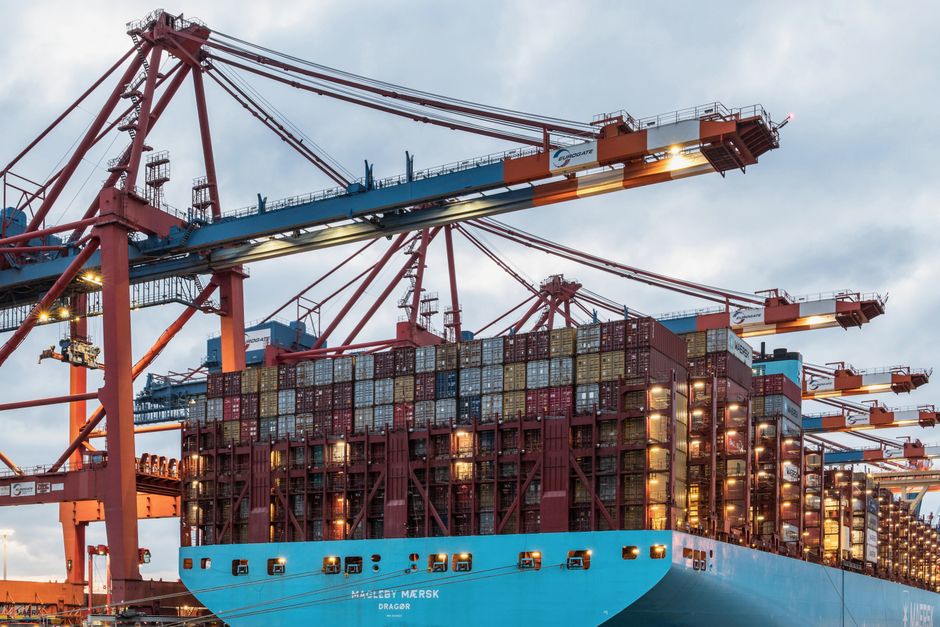
The impact extends beyond domestic production. As French manufacturers cut back on output, their demand for raw materials and intermediate goods from suppliers in Eastern and Southeastern Europe is declining. This is particularly relevant for countries like Bulgaria and North Macedonia, which have developed strong industrial partnerships with French firms in the automotive and electronics sectors. A slowdown in French demand directly affects factories in these Balkan nations, potentially leading to reduced shifts, lower employment levels, and decreased export revenues. The interconnected supply chains mean that efficiency gains in the Balkans cannot fully offset the demand shock originating in Western Europe.
Furthermore, the high cost of energy is influencing consumer behavior in France, with households reducing discretionary spending. This contraction in domestic consumption has a direct impact on Balkan exports of agricultural products, textiles, and consumer goods. French retailers, facing their own margin pressures, are tightening procurement standards and seeking cheaper alternatives, putting additional pressure on Balkan exporters to lower prices or risk losing market share. The combination of industrial slowdown and reduced consumer spending creates a double challenge for the region's export-oriented economies.
Implications for the Balkan Economy
The economic slowdown in France poses a complex challenge for Balkan countries that are either EU members or candidates for membership. For Romania and Croatia, which are already part of the Eurozone or preparing to join, the transmission of monetary policy is more direct. The European Central Bank's interest rate decisions, influenced by inflation data from major economies like France, affect borrowing costs in the region. Higher rates can dampen investment and consumption in the Balkans, slowing down infrastructure projects and housing markets that have been key drivers of recent growth.
For non-EU Balkan nations, the impact is more nuanced but equally significant. France is one of the largest sources of foreign direct investment in the region, with major French corporations operating in telecommunications, retail, and energy. A weaker French economy may lead to these multinationals reviewing their expansion plans, potentially delaying new factory openings or acquisitions in the Balkans. Additionally, the tourism sector, a vital pillar for countries like Montenegro, Bosnia and Herzegovina, and Greece, faces headwinds as French tourists, facing higher travel costs and reduced disposable income, may opt for closer or cheaper destinations.
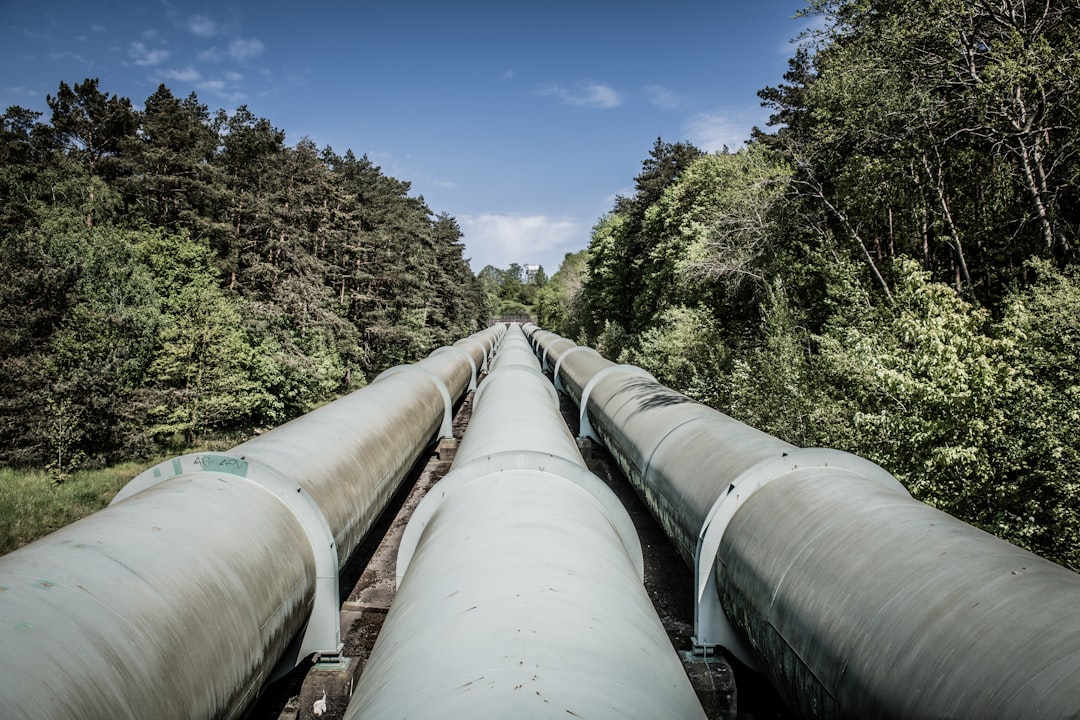
Energy security remains a critical concern for the Balkans as well. The region's energy markets are increasingly integrated with the broader European system. Volatility in French and wider European energy prices can influence electricity and gas costs in the Balkans, especially for countries that import energy or rely on cross-border grid connections. Governments in the region are being forced to balance the need for affordable energy for their citizens and industries with the imperative of maintaining fiscal discipline. The French downgrade serves as a warning that energy price shocks can have prolonged and widespread economic consequences, requiring robust policy responses and diversification of energy sources.
Looking Ahead: Policy Responses and Regional Resilience
As the Bank of France's revised forecast highlights the ongoing economic vulnerabilities, policymakers in the Balkans are closely monitoring developments in Western Europe. The European Commission and the ECB are expected to continue their focus on price stability, which may keep interest rates higher for longer than initially anticipated. This environment requires Balkan central banks to maintain prudent monetary policies while governments implement targeted fiscal measures to support vulnerable sectors and households. The emphasis is shifting towards enhancing economic resilience through diversification, digitalization, and green energy transitions.
Regional cooperation is likely to play a larger role in mitigating the impact of external shocks. Initiatives aimed at improving energy infrastructure, such as interconnectors and renewable energy projects, can help reduce dependence on volatile external markets. Strengthening trade links within the Western Balkans and with other emerging markets can also provide alternative outlets for exports if demand from Western Europe remains weak. The European Union's accession process for candidate countries offers a framework for structural reforms and investments that can boost long-term competitiveness.
The downgrade by the Bank of France is not an isolated event but part of a broader trend of economic recalibration in Europe. For the Balkans, it underscores the importance of adapting to a new economic reality characterized by higher costs, geopolitical uncertainty, and shifting demand patterns. By focusing on structural reforms, enhancing energy security, and diversifying trade partnerships, Balkan economies can better withstand external shocks and position themselves for sustainable growth. The coming months will be critical in determining how effectively these strategies are implemented and how resilient the region's economies prove to be in the face of continued European economic headwinds.


Comments