


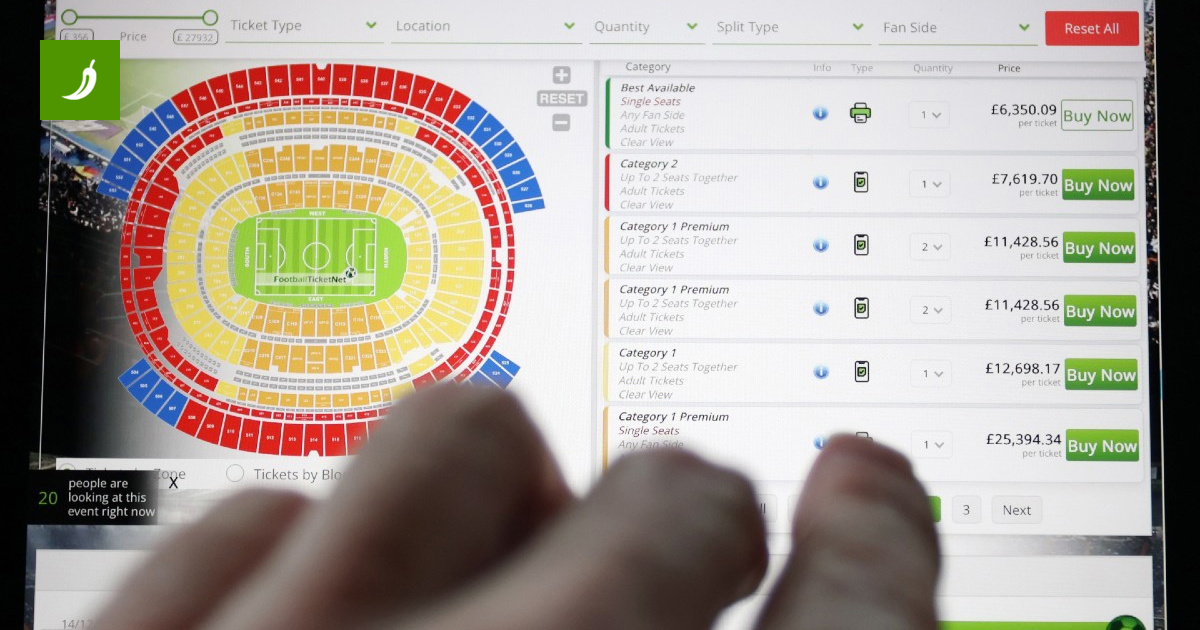
The gavel has dropped! The United States is throwing down the gauntlet to FIFA, launching a scathing investigation into the pricing chaos surrounding the 2026 World Cup. This isn't just a minor dispute; it's a full-blown legal reckoning. Authorities in New York and New Jersey have accused the football governing body of orchestrating a "labyrinth of confusion, false scarcity, and impossibly high prices." Are fans being played for fools, or is this just the harsh reality of modern sports economics? The stakes have never been higher.
A Legal Storm Brews
New Jersey Attorney General Jennifer Davenport and her New York counterpart, Letitia James, have issued a subpoena demanding internal documents. The charge? Manipulating the market. They allege that the release schedule for tickets was designed to drive up costs, turning a celebration of sport into a financial trap. "Hosting the World Cup is a great honor, but it is not an invitation to exploit our residents and visitors," Davenport declared, her words ringing like a warning shot. James echoed this, insisting that locals, who foot the bill for infrastructure, deserve a fair shot at affordable tickets. The message is clear: no more hidden fees, no more smoke and mirrors.
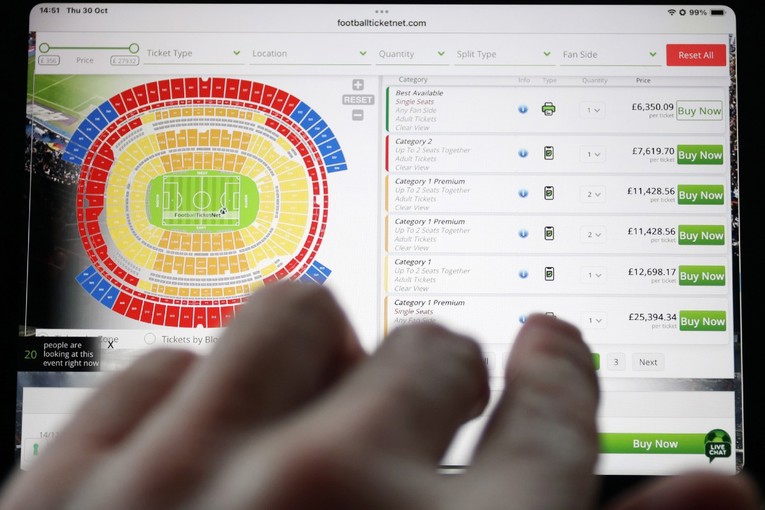
The Price of a Dream
The numbers are staggering. Critics point out that dynamic pricing models have hiked costs for 90 of the 104 matches by an average of 34 percent, potentially making this the most expensive World Cup in history. Commissioner Samuel AA Levine of the NYC Department of Consumer and Worker Protection highlighted reports of "egregiously deceptive conduct," particularly regarding seat locations. Fans bought tickets expecting prime views, only to be misled about their actual placement. Furthermore, while FIFA President Gianni Infantino cited "absolutely crazy" demand to justify the prices, investigators noted that face-value tickets were still available for 86 matches as recently as Wednesday. This contradiction shatters the narrative of extreme scarcity.

fifa really trying to price out actual fans lol. 34% hike? wild. hope the investigation puts a stop to this greed rn...