


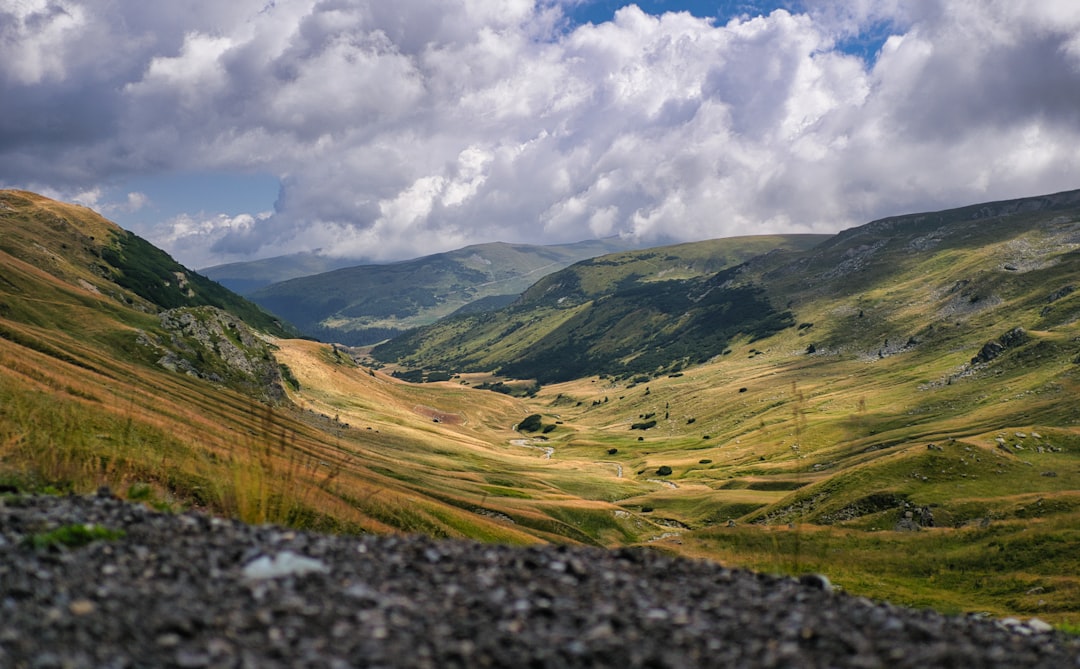
I didn't just climb the Fagaras Mountains; I fought them. The Transfagarasan is the road that seduced me, the asphalt ribbon that promised easy access to Romania's wildest peaks. But the moment I stepped off the bus in Viscri, the reality hit like a hammer. The air was thin, the silence absolute, and the mountains loomed like ancient, indifferent gods. I was here to hike the Transfagarasan Trail, a route that doesn't just challenge your legs—it tests your sanity. This isn't a leisurely stroll through a park; it's a brutal, beautiful pilgrimage across the spine of Romania.
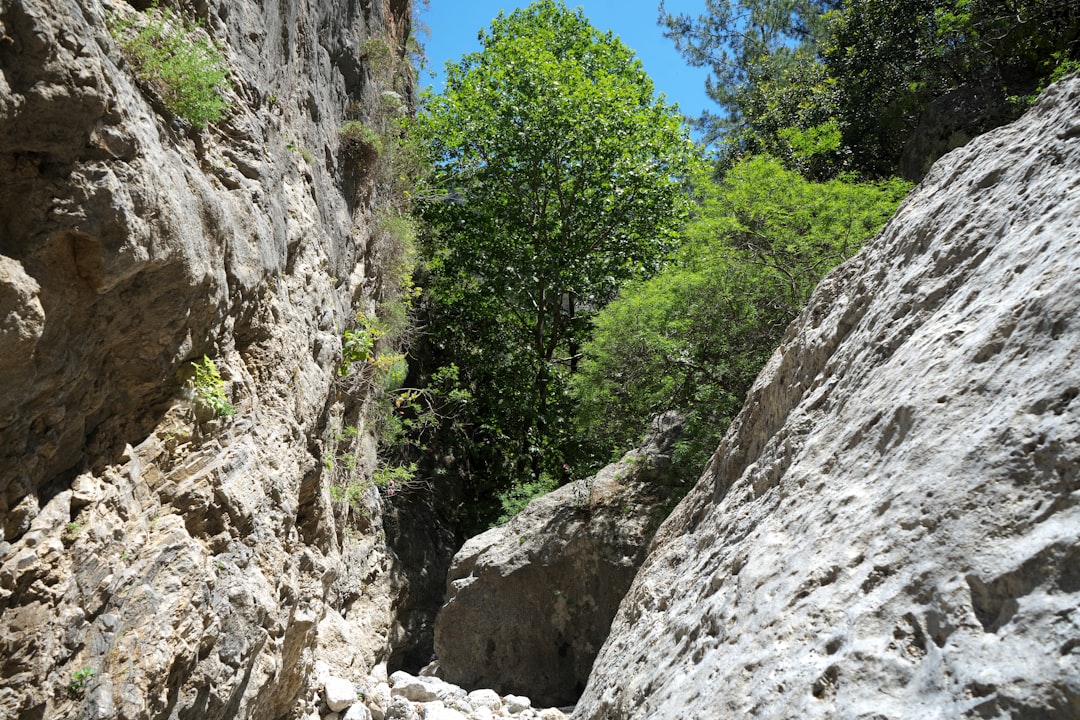
The first time I saw Moldoveanu Peak, it wasn't from a postcard. It was through the steam of my own breath, my lungs burning as I scrambled up loose scree. A local shepherd, his face carved from the same granite as the cliffs, watched me with amused pity. He didn't speak English, but his nod was clear: You're in deep now. This is the Fagaras. No cell service, no rescue helicopters on standby, just you and the stone. If you think you can conquer it, you're already wrong. You survive it. Barely.
History & Identity
The Fagaras Mountains aren't just a hiking destination; they're a fortress of history. For centuries, these peaks were impenetrable, a natural barrier that protected the valleys below from invading armies. The locals, the Vlach shepherds, moved their flocks here in summer, living in rudimentary huts and surviving on cheese, bread, and sheer will. Their legacy is still visible in the abandoned huts scattered across the slopes, silent witnesses to a way of life that's fading but never forgotten.
In the 1970s, the Communist regime carved the Transfagarasan Highway through the range, a brutal feat of engineering that employed thousands of conscripts. It was meant to be a symbol of progress, but it's also a scar on the landscape. Today, the road is a tourist magnet, but the mountains themselves remain wild, untouched by the commercialization that plagues other European ranges. This is a place where history isn't displayed in museums—it's etched into the rock, the wind, and the silence.
The Transfagarasan Trail
The Transfagarasan Trail is the crown jewel of Romanian hiking. It stretches 72 kilometers from Viscri to Bistrita-Nasaud, crossing 13 peaks above 2,000 meters, including Moldoveanu Peak, the highest in Romania at 2,544 meters. The trail is not marked with colorful blazes; it's a series of stone cairns, faint paths, and exposed ridges that demand constant attention. Navigation is not optional—it's survival.
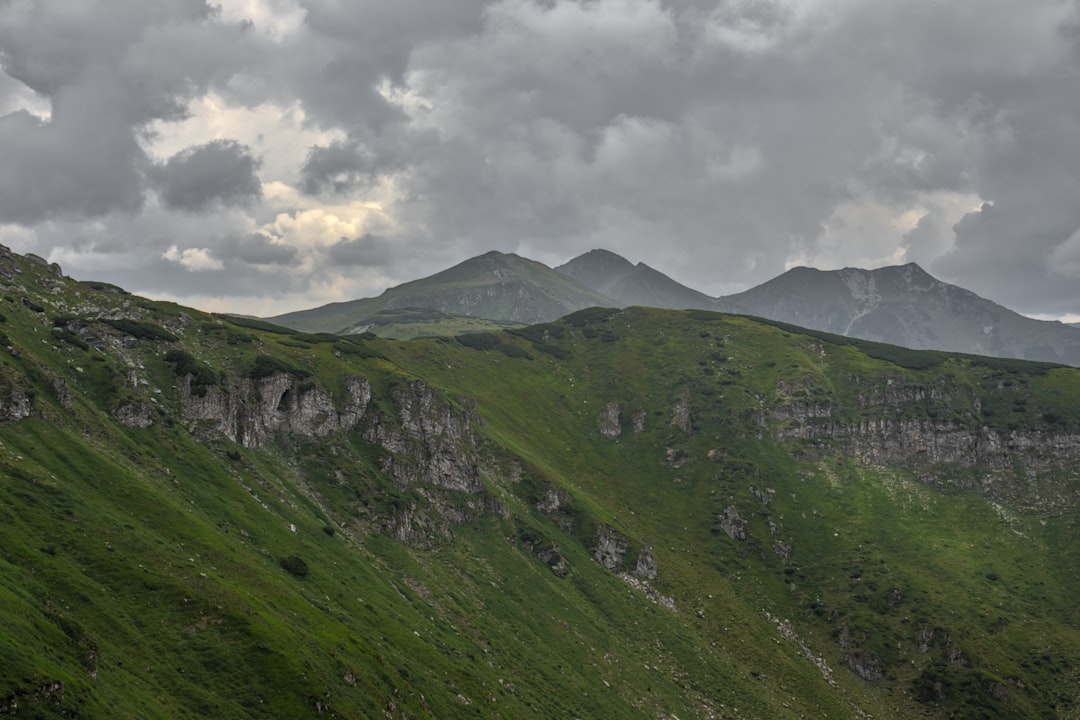
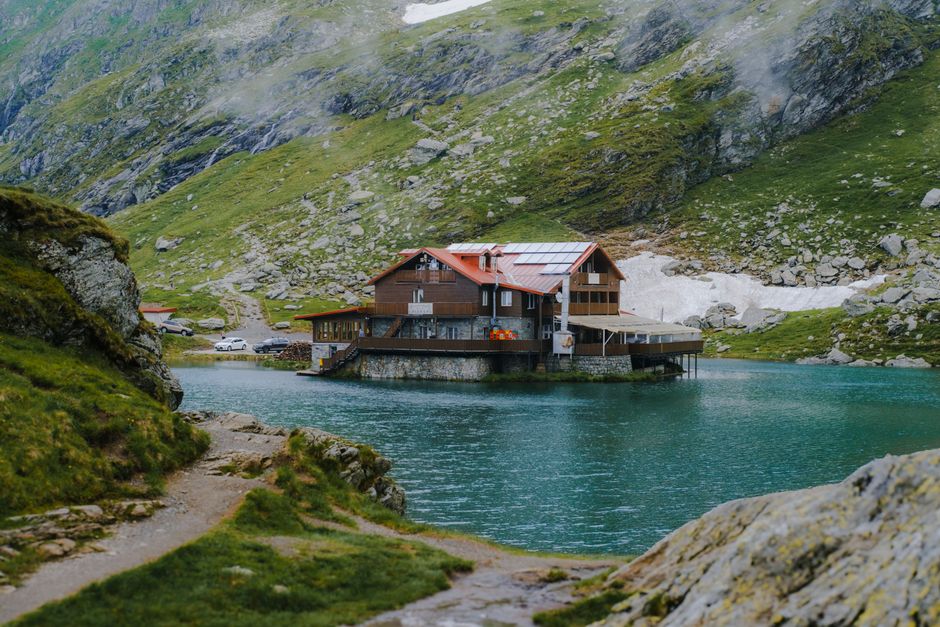
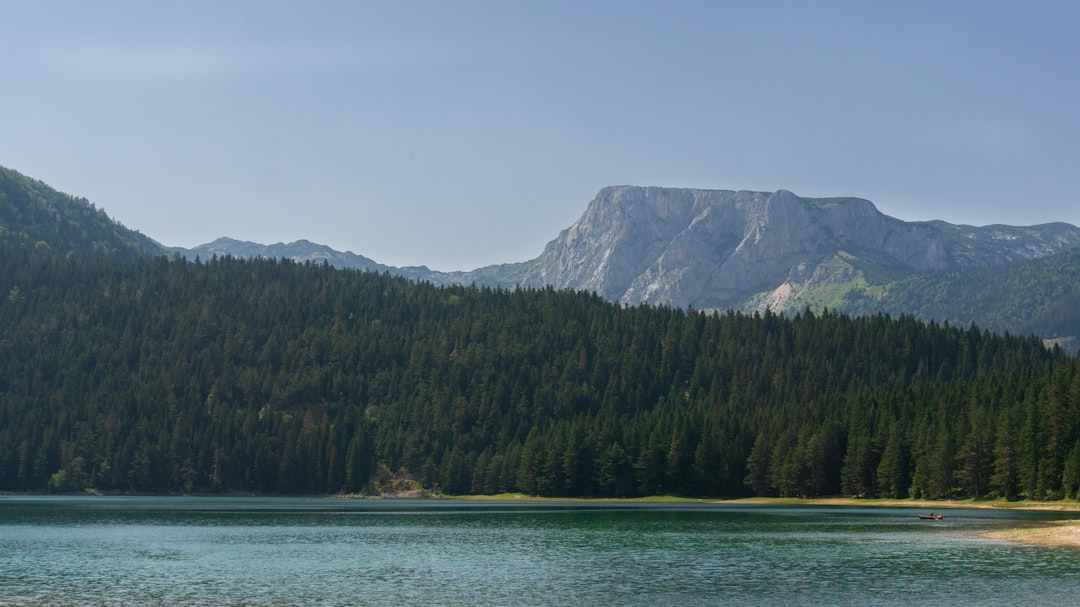
The terrain is relentlessly varied. One day you're scrambling up Parangul Mare, a steep, rocky ascent that feels like climbing a cathedral. The next, you're crossing Balea Lake, a glacial jewel surrounded by jagged peaks that reflect in its icy waters. The trail passes through abandoned shepherds' huts, some restored into basic refuges, others crumbling into the earth. There's no luxury here. You sleep on hard floors, eat canned beans, and wake to the sound of wind howling through the valleys. It's primal. It's necessary.
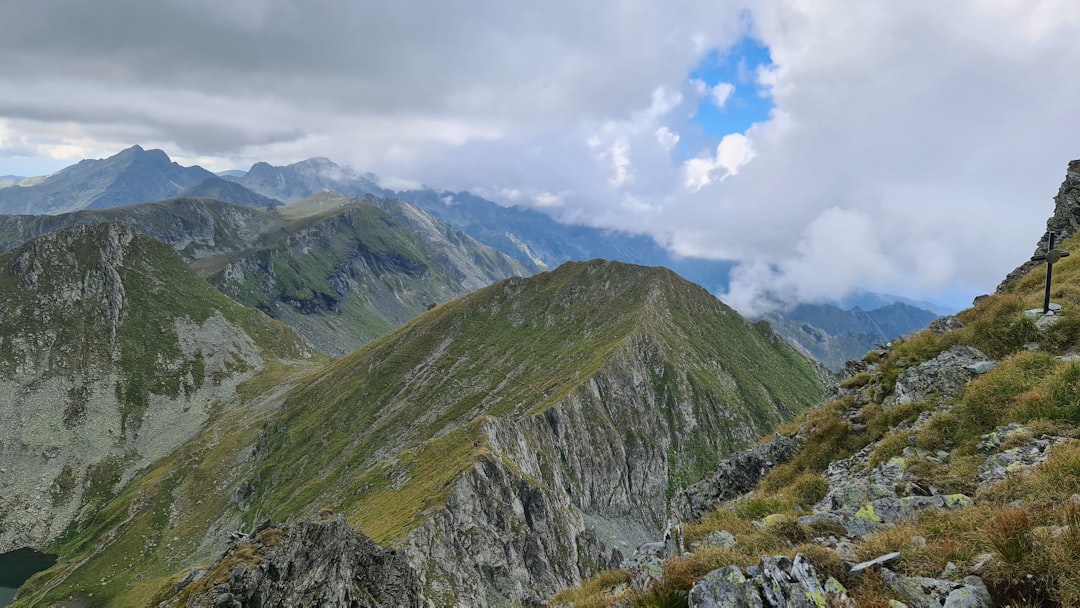
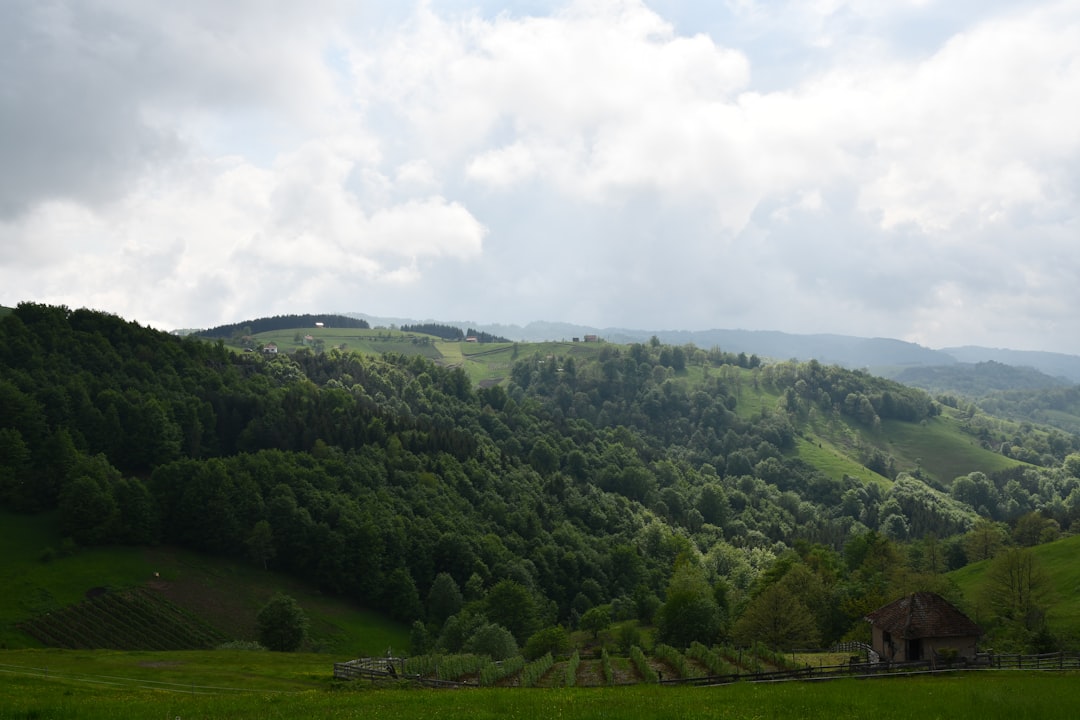
The challenge isn't just physical; it's mental. The isolation is profound. For days, you might not see another soul. The silence can be deafening, and the cold bites even in summer. But then, you crest a ridge and see the Carpathian range stretching to the horizon, a sea of green and blue that makes every blister, every cramp, every moment of doubt worth it. This is the Fagaras. It doesn't give you anything. You take it.
Routes & Trail Info
The classic Transfagarasan Trail is a 7-9 day hike, depending on your pace. Most hikers start in Viscri, a fortified Saxon village with a strong sense of community and history. The trail begins with a gentle climb into the Viscri Valley, but the real challenge starts at Coliba Viscri, the first refuge. From there, it's a relentless ascent to Moldoveanu Peak, the highest point in Romania. The route is well-trodden but never easy. Here's a breakdown of the key stages:
Stage 1: Viscri to Coliba Viscri — 10 km, 800m elevation gain, 5-6 hours. A gentle warm-up, but don't underestimate it. The trail is steep and rocky, and you'll be carrying a full pack. Difficulty: Intermediate.
Stage 2: Coliba Viscri to Moldoveanu Peak — 12 km, 900m elevation gain, 7-8 hours. This is the heart of the challenge. The ascent to Moldoveanu is steep and exposed, with loose scree and narrow ridges. Navigation is critical. Difficulty: Experienced.
Stage 3: Moldoveanu Peak to Balea Lake — 15 km, 600m elevation gain, 6-7 hours. A long, demanding day with significant elevation changes. The crossing of Parangul Mare is technical and exposed. Difficulty: Experienced.
For those who want a shorter challenge, the Balea Lake Circuit is a 2-day option that loops around the lake and up to Parangul Mare. It's less remote but no less stunning. Difficulty: Intermediate.
Getting There & What to Expect
The nearest major city is Brasov, a vibrant hub with excellent transport links. From Brasov, you can take a bus to Rasnov or Viscri, or hire a car for more flexibility. The Transfagarasan Highway is closed in winter due to snow, so the best time to hike is June to September. The weather is unpredictable, so prepare for rain, wind, and cold even in summer.
Accommodation along the trail is basic. Refuges like Coliba Viscri and Coliba Balea offer dormitory-style beds and simple meals. Expect to pay 15-25 EUR per night for a bed and 5-10 EUR per meal. If you're camping, bring a sturdy tent and a warm sleeping bag. Temperatures can drop below freezing at night, even in summer.
Transport from Brasov to Viscri takes 2-3 hours by bus, costing 5-10 EUR. If you're driving, the Transfagarasan is a spectacular but dangerous road. Drive carefully, and never attempt it in bad weather. The trailhead at Viscri is well-marked, and there are several guesthouses in the village for pre- or post-hike stays.
Search accommodation in Brasov on Booking.com →
The Descent Into Reality
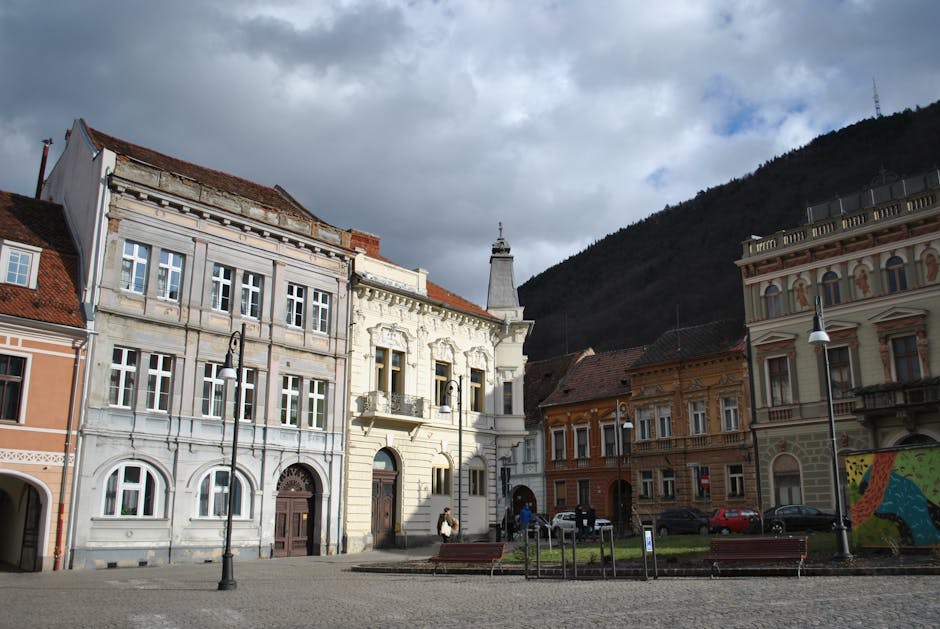
When I finally reached Bistrita-Nasaud, I was exhausted, blistered, and emotionally hollowed out. I sat on a bench in the town square, watching the locals go about their day, and felt a strange disconnect. The mountains had changed me, but the world outside hadn't. I ate a simple meal of mamaliga and cheese, the flavors sharp and familiar, and tried to reconcile the two worlds.
The Fagaras doesn't care about your Instagram followers or your corporate title. It strips you down to your essentials. You're just another body moving through stone and wind. And in that stripping, you find something rare: clarity. I left the mountains with aching muscles and a quieter mind. I didn't conquer the Fagaras. It tolerated me. And that's enough.
Comments