



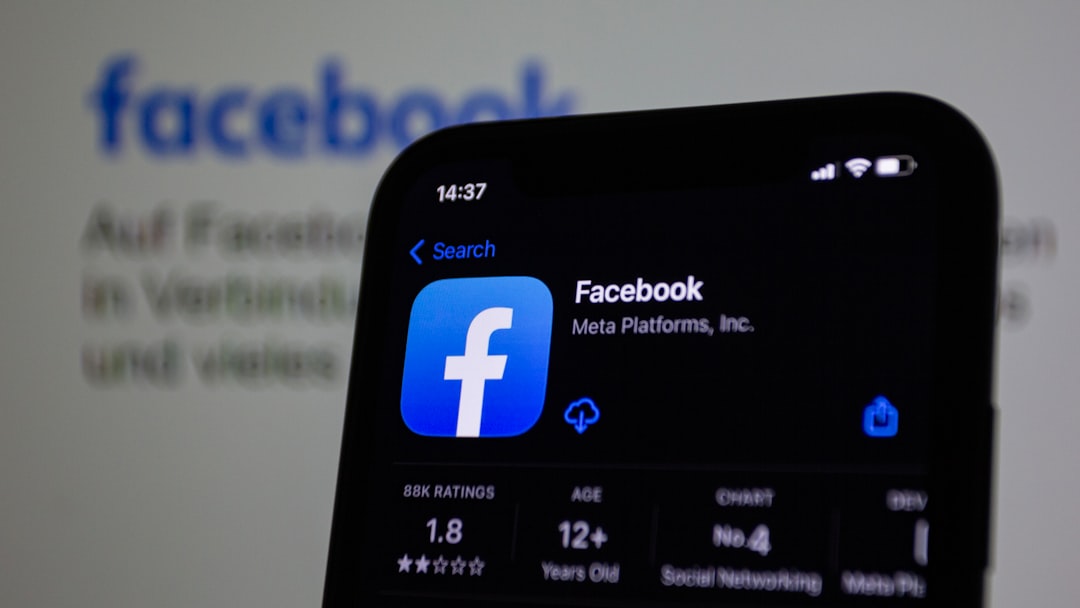
A widespread technical failure affecting the Facebook application has caused significant disruption across the Balkan peninsula, impacting millions of users who rely on the platform for daily communication, news consumption, and business operations. The outage, which rendered the application inaccessible or prone to crashes for many users, underscores the region's heavy dependence on Meta's digital infrastructure. From Sofia to Belgrade, and from Athens to Tirana, reports of connectivity issues flooded social media platforms and local news outlets, as users found themselves unable to log in, load feeds, or access Messenger services. This incident has reignited discussions about digital resilience and the concentration of power among a few major technology corporations in Southeastern Europe.
Scope of the Disruption and Immediate Impact
The technical glitch manifested primarily as a failure of the mobile application to load content, with many users reporting white screens or persistent error messages. While the web version of Facebook remained largely accessible for some, the mobile experience, which dominates usage statistics in the Balkans, was severely compromised. Status monitoring websites such as DownDetector saw spikes in reports from countries including Bulgaria, Serbia, Romania, and Greece, indicating a regional rather than isolated incident. Local news agencies quickly picked up the story, with headlines in Bulgarian and Serbian media reflecting the sudden loss of a primary communication channel for millions of citizens.
The impact extended beyond personal communication to affect small and medium-sized enterprises that utilize Facebook Pages and Marketplace for their primary customer interaction. In many Balkan cities, local businesses rely heavily on Facebook advertising and direct messaging for sales and customer service. The outage resulted in lost transactions, delayed customer responses, and confusion among consumers attempting to reach service providers. For gig economy workers and informal traders who operate through social media groups, the downtime represented a direct loss of income potential during peak business hours.
Regional Dependence on Meta Platforms
The Balkans exhibit some of the highest social media penetration rates in Europe, with Facebook remaining one of the most visited websites in countries like Serbia, North Macedonia, and Albania. This high usage rate stems from a combination of factors, including widespread smartphone adoption, affordable mobile data packages, and a cultural preference for social networking as a primary news source. Unlike Western European markets where users might diversify across multiple platforms, Balkan audiences often concentrate their digital activity on Facebook and its affiliated services, such as Instagram and WhatsApp. This concentration creates a single point of failure that can disrupt daily life when technical issues arise.
Furthermore, Facebook serves as a critical infrastructure for information dissemination in the region. During times of crisis, political elections, or local emergencies, community groups and official pages often become the fastest source of updates. The outage temporarily severed this flow of information, leaving some citizens without access to real-time news or community alerts. Digital rights advocates and tech analysts have pointed to this vulnerability as a reason to advocate for greater digital literacy and diversification of communication tools. The incident highlights how a technical glitch in a Silicon Valley server room can have tangible socio-economic effects in Southeastern Europe.

Technical Causes and Future Outlook
While Meta has not released a detailed technical report specific to this incident, such outages are typically linked to server-side errors, software updates gone awry, or network configuration issues. In previous major outages, the root cause was often traced to changes in Border Gateway Protocol (BGP) announcements, which disrupted the routing of internet traffic to Meta's servers. Experts suggest that the scale of Meta's infrastructure makes it susceptible to cascading failures, where a minor configuration error can propagate across global systems. The Balkan region, being part of the broader European internet exchange ecosystem, is inevitably affected by these global network fluctuations.
Looking ahead, this event is likely to prompt renewed scrutiny of Meta's reliability and its commitment to maintaining stable services in emerging markets. Regulatory bodies in the European Union, including those in Bulgaria and Romania, are increasingly focused on the Digital Services Act (DSA), which holds large platforms accountable for their operational integrity and transparency. Stakeholders may demand more proactive communication from Meta regarding service status and estimated recovery times. For the average user, the incident serves as a reminder of the fragility of digital connectivity and the importance of having alternative communication channels. As the region continues to digitize, ensuring robust and redundant digital infrastructure will remain a key challenge for both policymakers and technology providers.



Comments