


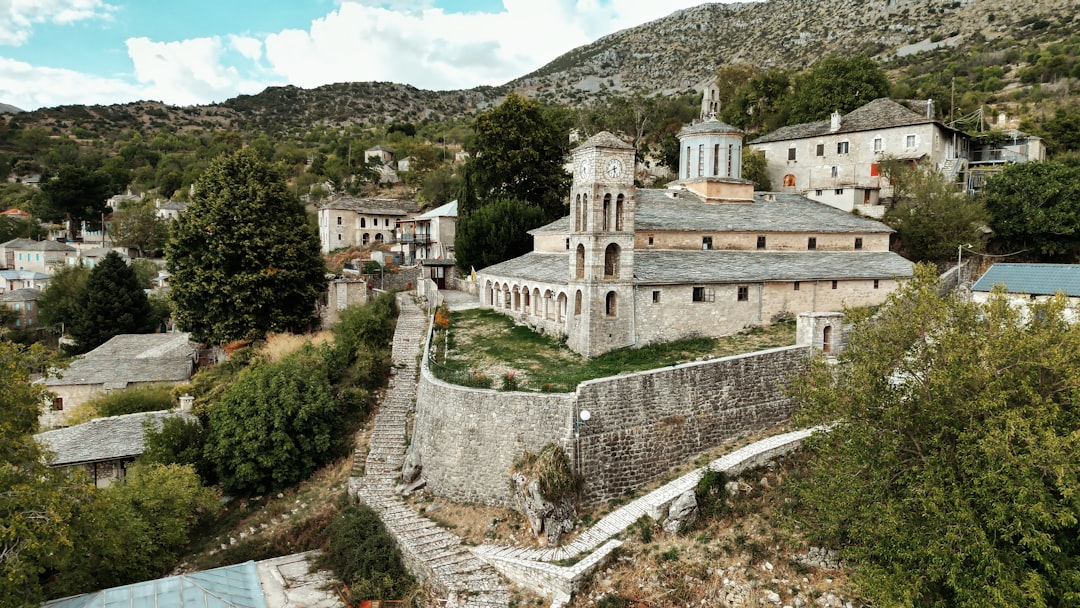
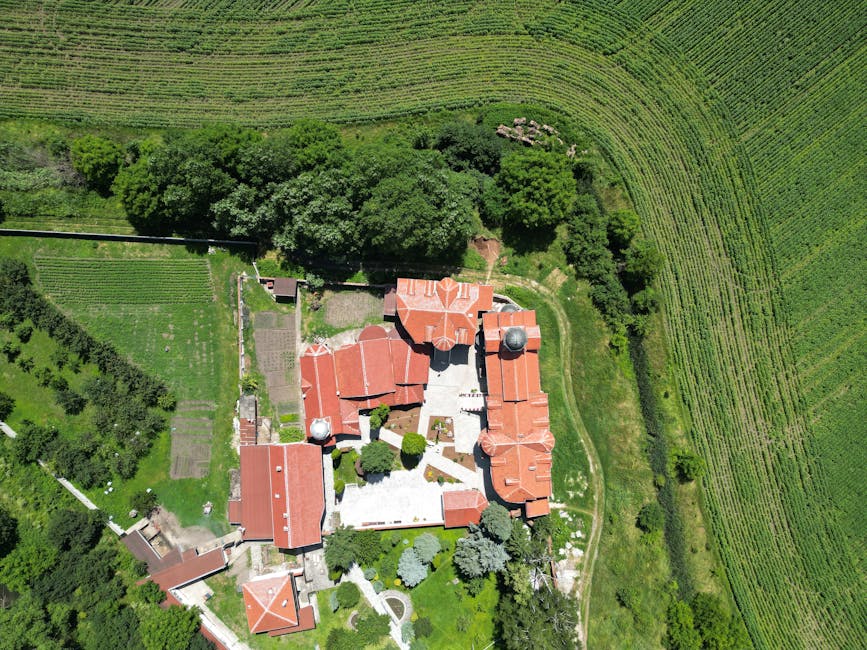
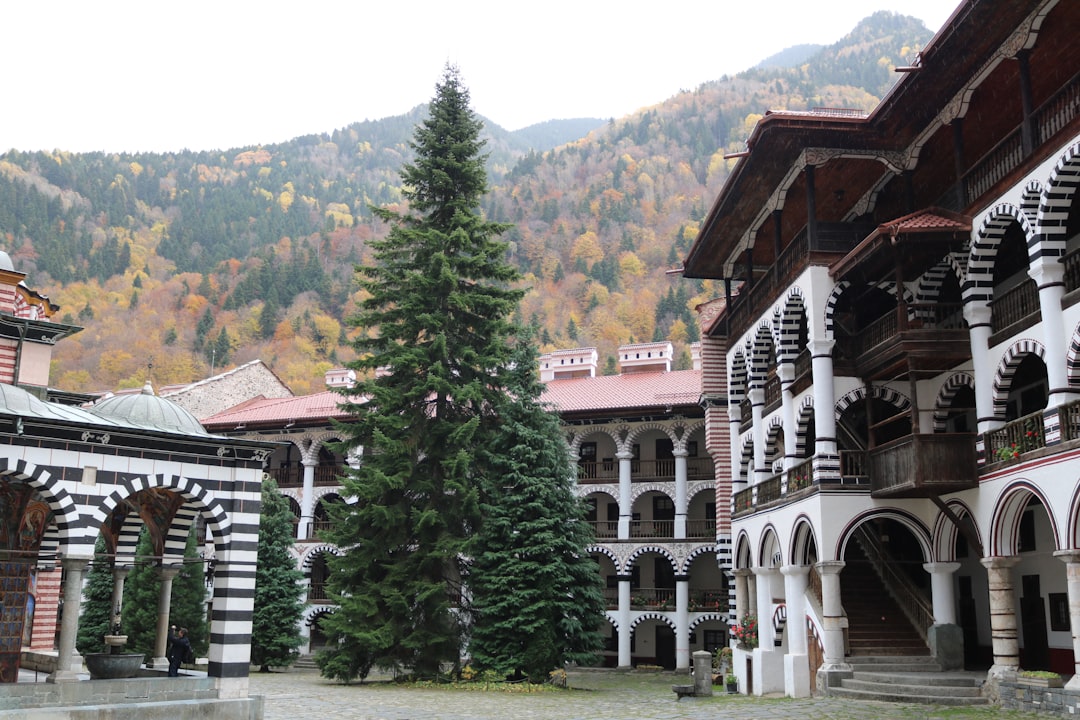
I stand at the foot of the Rila Monastery, my breath misting in the crisp Bulgarian air. The monastery's red roofs and white walls seem to glow under the autumn sun, casting long shadows across the cobblestone courtyard. This is just one of the many UNESCO World Heritage Sites scattered throughout the Balkans, each a testament to the region's rich history and cultural diversity.
History & Identity
The Balkans, a region that has been the crossroads of cultures and empires for centuries, is home to a plethora of UNESCO World Heritage Sites. These sites are not just historical monuments; they are living embodiments of the region’s identity, from the ancient city of Ohrid to the medieval fortresses of Mostar. Each site tells a story of resilience, adaptation, and enduring cultural significance.
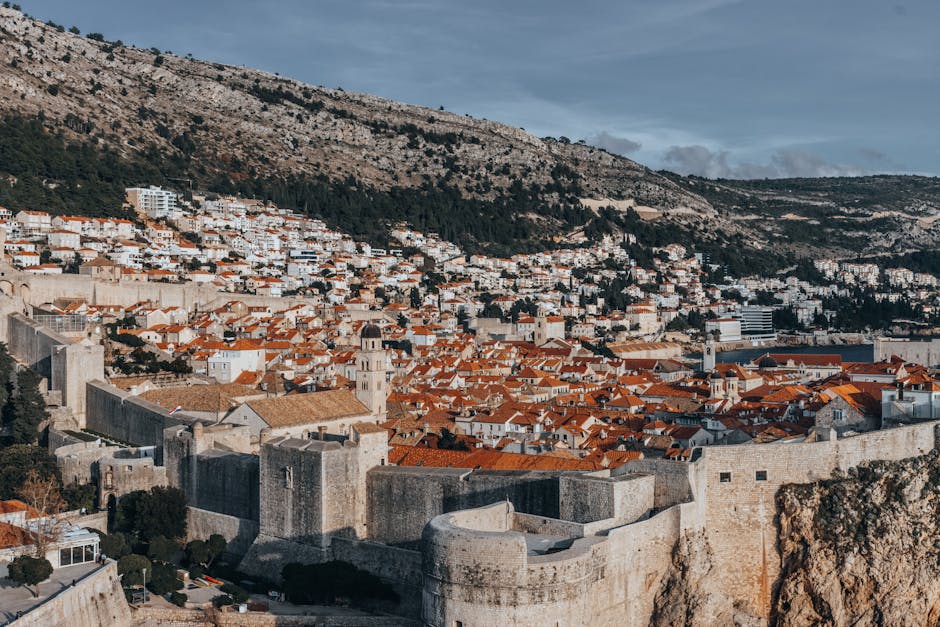
The Rila Monastery, for instance, was founded in the 10th century by Saint Ivan of Rila, a hermit whose ascetic life and teachings attracted many followers. Today, the monastery stands as a symbol of Bulgarian spirituality and national pride, with its intricate frescoes and ornate architecture. Similarly, the Old Town of Dubrovnik, with its well-preserved defensive walls and Renaissance palaces, reflects the city’s strategic importance and rich maritime heritage.
Where to Go
Rila Monastery — Founded in the 10th century, this Bulgarian Orthodox monastery is a masterpiece of architecture and art. The monastery is free to visit, and the best time to go is during the early morning or late afternoon when the sun casts a golden hue on its walls.
Old Town of Dubrovnik — This medieval city is protected by massive stone walls and is a UNESCO World Heritage Site. Entry is free, but it's best to visit during the day to explore the narrow streets and historic landmarks.
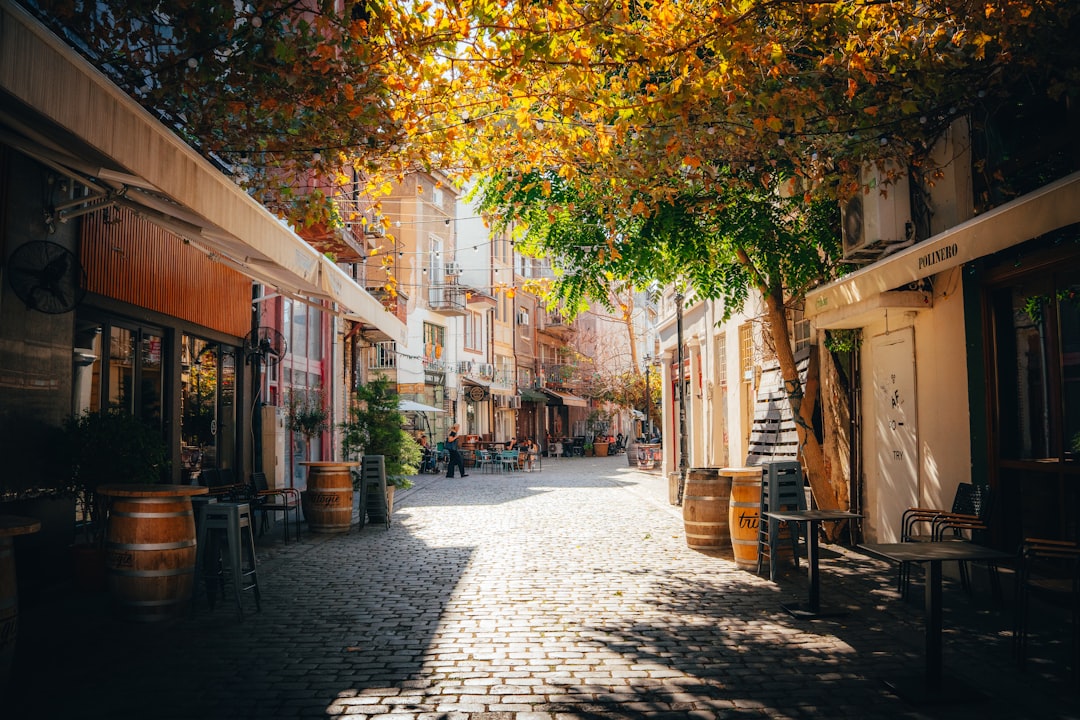
Plovdiv Old Town — One of the oldest cities in Europe, Plovdiv's Old Town is a maze of cobblestone streets, historic houses, and Ottoman-era mosques. Entry is free, and the best time to visit is during the evening when the town is illuminated.
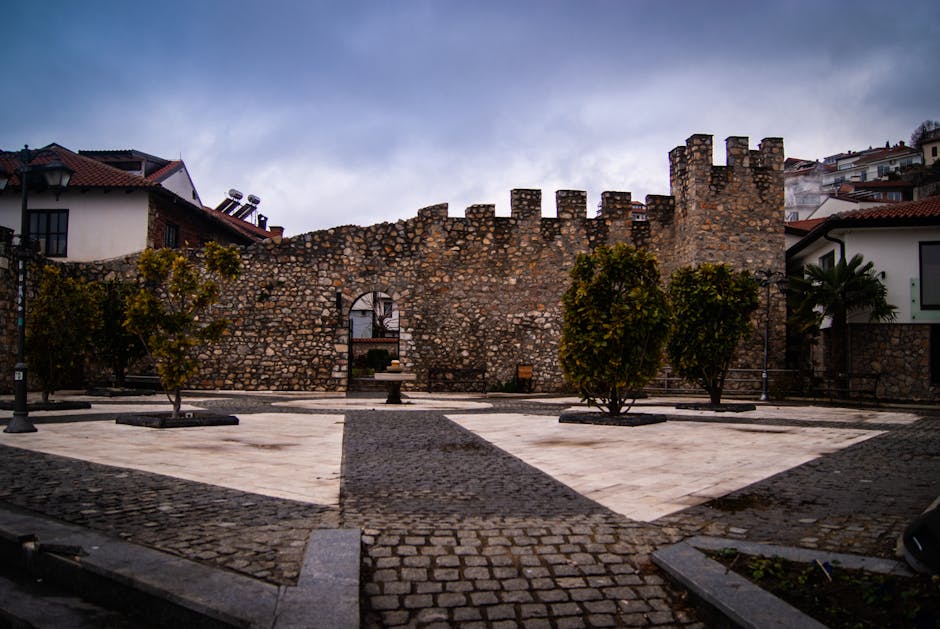
Ohrid — The old town of Ohrid sits on the shores of Lake Ohrid and is home to numerous churches, monasteries, and a medieval castle. Entry is free, and the best time to visit is during the summer when the city hosts cultural festivals.
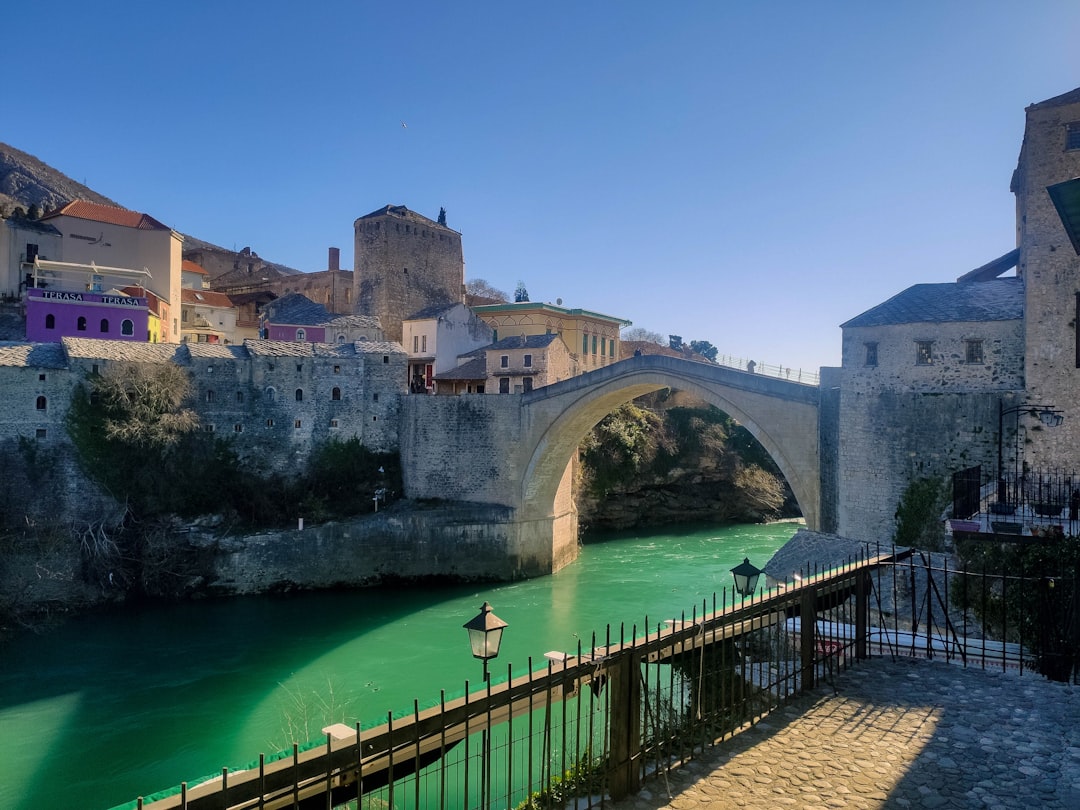
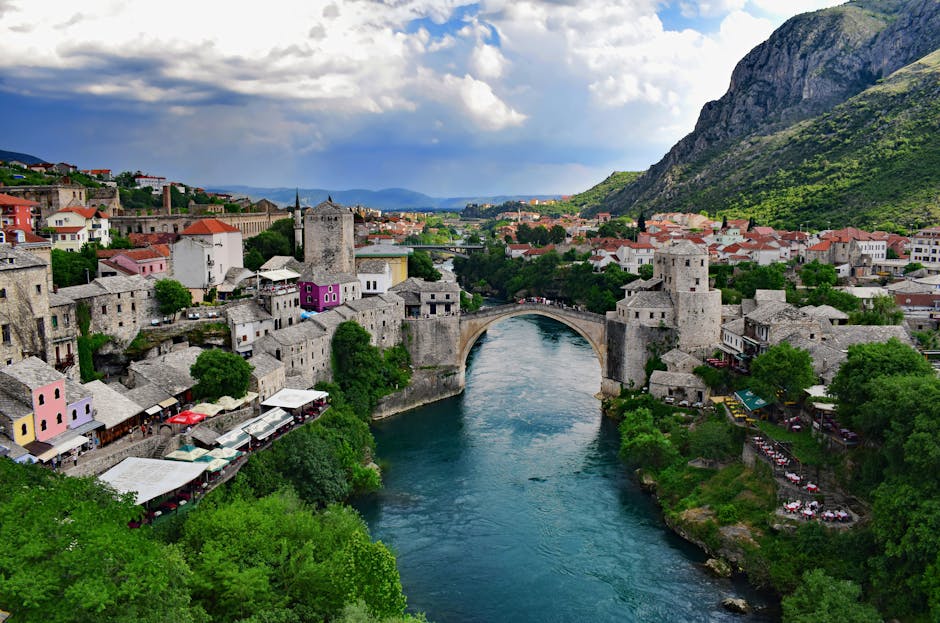
Mostar — The Old Bridge of Mostar is an iconic symbol of the city and the Balkans. The bridge spans the Neretva River and is a must-see. Entry is free, and it’s best to visit during the day to capture the full view of the bridge and its surroundings.
What to Eat & Drink
Burek — 1-2 EUR — A savory pastry filled with meat or cheese, burek is a staple across the Balkans.
Ćevapi — 3-4 EUR — A popular grilled meat dish, often served with flatbread and ajvar (a red pepper spread).
Moussaka — 5-6 EUR — A hearty casserole of eggplant, ground meat, and béchamel sauce, a favorite in Greek cuisine.
Tulum Cheese — 2-3 EUR — A soft, brined cheese, often served as a snack or appetizer.
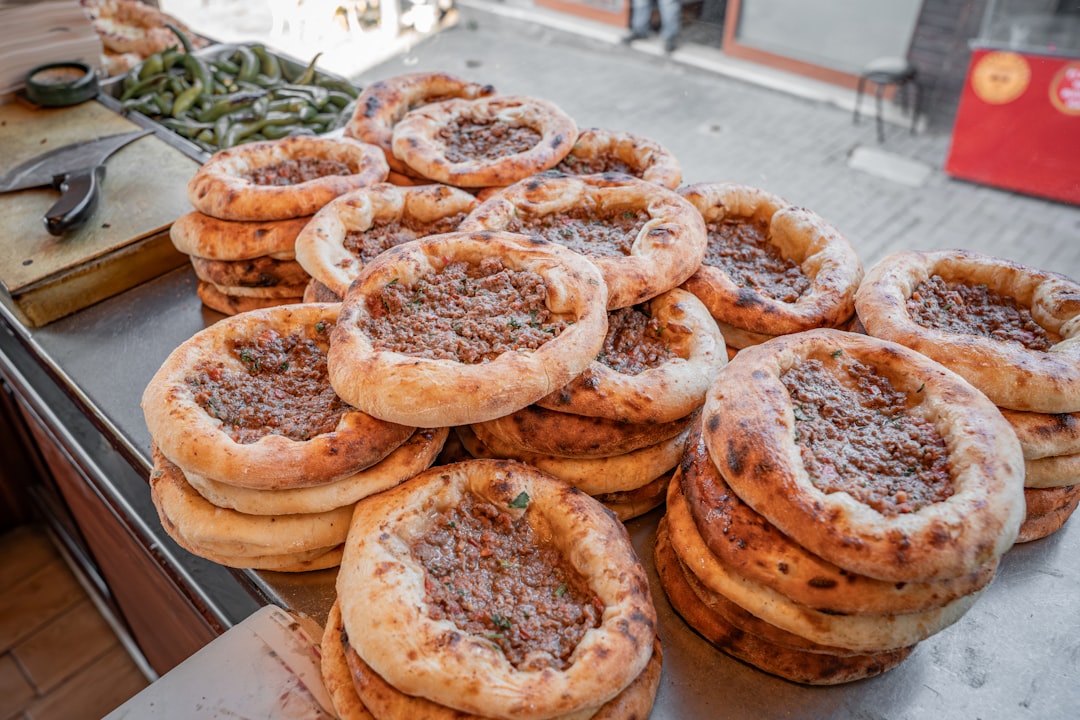
Budget breakdown: street food / take-away under 5 EUR per meal; sit-down local restaurant 8-15 EUR per person; mid-range 15-25 EUR
Specific food streets and markets: Bazaar of La Bolla in Thessaloniki, Skopje Bazaar in Skopje, and the Ferhad Pasha Street in Mostar.
Nightlife
The nightlife in the Balkans varies from city to city. In Thessaloniki, the Ladadika district is known for its trendy bars and clubs, while in Belgrade, the Kalemegdan Fortress area offers a mix of historic ambiance and modern entertainment.
Chillout Club in Thessaloniki — This club is known for its electronic music and outdoor terrace with a view of the sea. Entry fee is 10-15 EUR.

Klub 69 in Belgrade — A popular venue for live music and DJ sets, Klub 69 is a favorite among locals and tourists. Entry fee is 5-10 EUR.
Getting There & What to Expect
The nearest airports to these sites are Sofia Airport for Rila Monastery, Dubrovnik Airport for Dubrovnik, Plovdiv Airport for Plovdiv, Ohrid Airport for Ohrid, and Mostar Airport for Mostar. Travel times and costs vary depending on the mode of transportation, but bus and train options are available from major Balkan hubs.
Accommodation price range: budget hostel per night in EUR, mid-range hotel per night in EUR.
Search accommodation in Thessaloniki on Booking.com →
offers a variety of options, from budget to luxury.Best months to visit: Spring (April-June) and fall (September-November) are ideal for exploring these sites due to pleasant weather and fewer crowds.
Final Thoughts
Exploring the UNESCO World Heritage Sites in the Balkans is a journey through time and culture. From the serene beauty of the Rila Monastery to the vibrant energy of Dubrovnik’s Old Town, each site offers a unique glimpse into the region’s rich history and enduring spirit. Whether you're a history buff, a foodie, or simply someone who loves to explore, the Balkans’ World Heritage Sites are a must-see destination.
Comments