


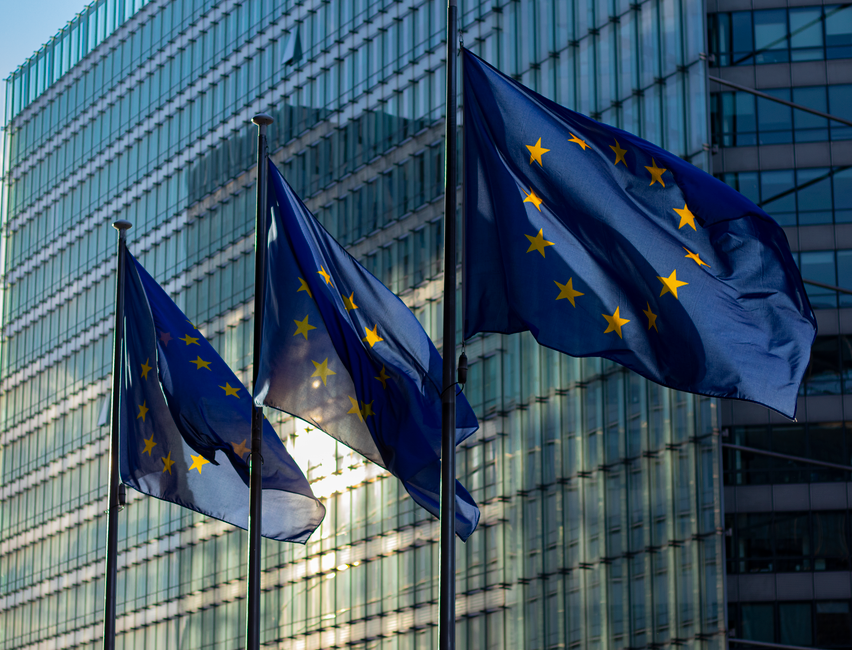
The European Union has officially commenced formal accession negotiations with Serbia and Albania, marking a significant milestone in the bloc’s enlargement strategy. The decision, confirmed by EU officials, initiates the final phase of membership talks for both countries, moving them closer to potential integration into the single market and political union. This development is particularly relevant for the Western Balkans, a region that has long awaited a clear pathway to EU membership. For Balkan audiences, this signals a concrete step away from political limbo, offering tangible economic and security benefits while reinforcing the region's strategic alignment with European institutions.
Background and Context of the Accession Process
The journey to this point has been lengthy and complex. Both Serbia and Albania were granted candidate status years ago, but the formal opening of negotiations was delayed by internal EU debates and bilateral disputes. The EU’s enlargement policy has faced scrutiny due to concerns over democratic backsliding, rule of law issues, and the pace of reforms. However, geopolitical shifts, including the war in Ukraine and regional instability, have renewed the bloc’s focus on securing the Western Balkans. The European Commission emphasized that this step is not automatic; it remains conditional on continued progress in key areas such as judiciary reform, anti-corruption efforts, and fundamental rights.
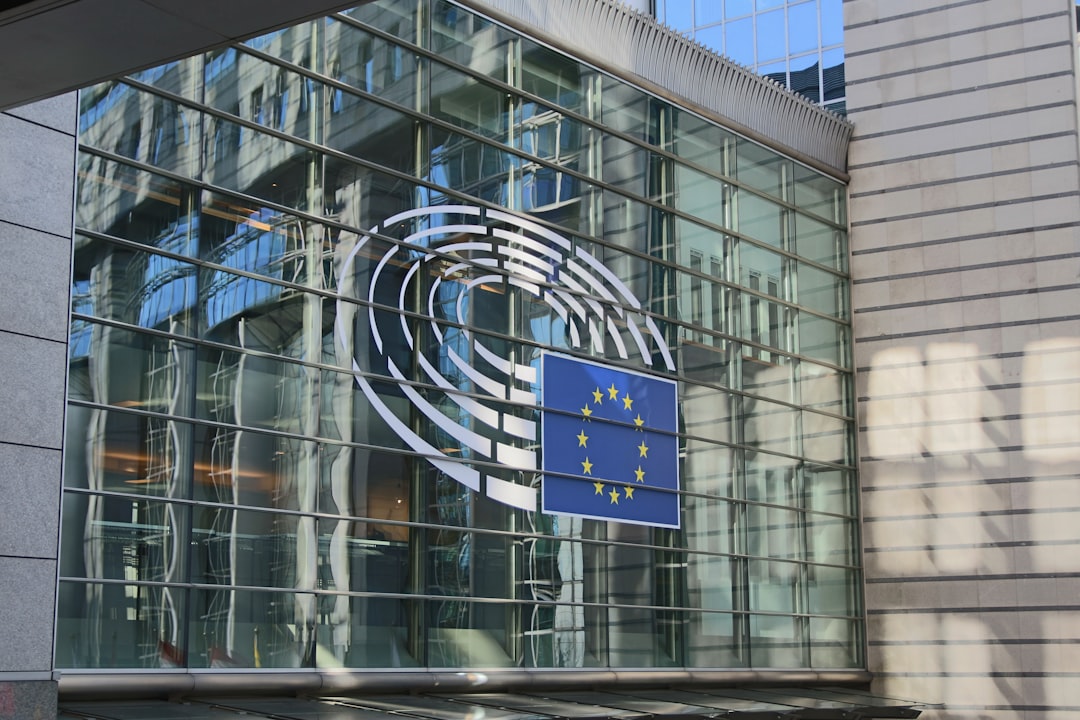
The negotiations will follow a new chapter-based approach, where progress is measured and rewarded incrementally. This method aims to ensure that reforms are implemented consistently rather than merely on paper. For Serbia, this process is intertwined with its ongoing dialogue with Kosovo, a sensitive issue that has historically stalled its EU progress. Albania, meanwhile, has been praised for its consistent reform trajectory but faces challenges in economic competitiveness and administrative capacity. The EU’s decision reflects a balanced assessment of both countries’ readiness and the strategic necessity of anchoring them firmly within the European orbit.
Significance and Impact on Regional Stability
The commencement of membership talks carries profound implications for regional stability and integration. For citizens in Serbia and Albania, the prospect of EU membership translates into greater mobility, access to funding, and alignment with European standards in healthcare, education, and infrastructure. Economically, it promises increased foreign investment and market access, which are critical for job creation and growth. Politically, it reinforces democratic institutions and the rule of law, countering nationalist and populist narratives that have gained traction in recent years. The EU’s engagement also serves as a deterrent to external influences from other global powers seeking to expand their footprint in the Balkans.
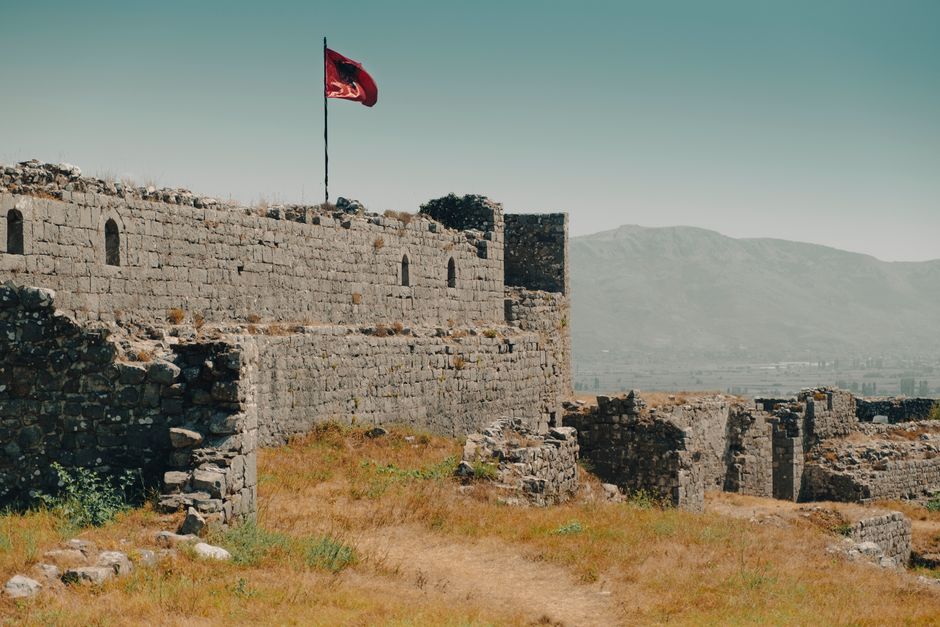
Moreover, the move strengthens the EU’s credibility as a reliable partner. After years of perceived stagnation, this decision demonstrates that the bloc is willing to act decisively when geopolitical interests align with its values. It also sets a precedent for other Western Balkan countries, including Montenegro, North Macedonia, Bosnia and Herzegovina, and Kosovo, which are also on the path to membership. The success of Serbia and Albania’s negotiations will likely influence the pace and conditions for their neighbors, creating a domino effect that could accelerate the entire region’s integration. However, challenges remain, including the need for sustained political will and public support for often-painful reforms.
Balkan Angle and Future Outlook
For the broader Balkan audience, this development is a source of cautious optimism. In Serbia, public opinion is mixed, with some welcoming the EU step while others remain skeptical due to historical grievances and sovereignty concerns. In Albania, there is generally stronger support for EU integration, driven by a desire for stability and economic improvement. Civil society organizations and media in both countries are closely monitoring the negotiations, calling for transparency and accountability. The EU’s engagement also has implications for regional cooperation, as it encourages Serbia and Albania to resolve bilateral issues and collaborate with neighbors on cross-border projects.

Looking ahead, the next few years will be critical. The EU will conduct regular reviews of progress, and any setbacks in reform implementation could delay or derail the process. Key areas to watch include the rule of law, media freedom, and the resolution of the Serbia-Kosovo dialogue. Citizens in the region will be looking for tangible improvements in their daily lives, such as better public services and economic opportunities. The EU’s success in integrating Serbia and Albania will depend not only on political decisions in Brussels but also on the commitment of local governments and societies to embrace European values. For Balkan audiences, this is more than a diplomatic milestone; it is a test of whether European integration can deliver lasting peace, prosperity, and unity in a historically fragmented region.


Comments