


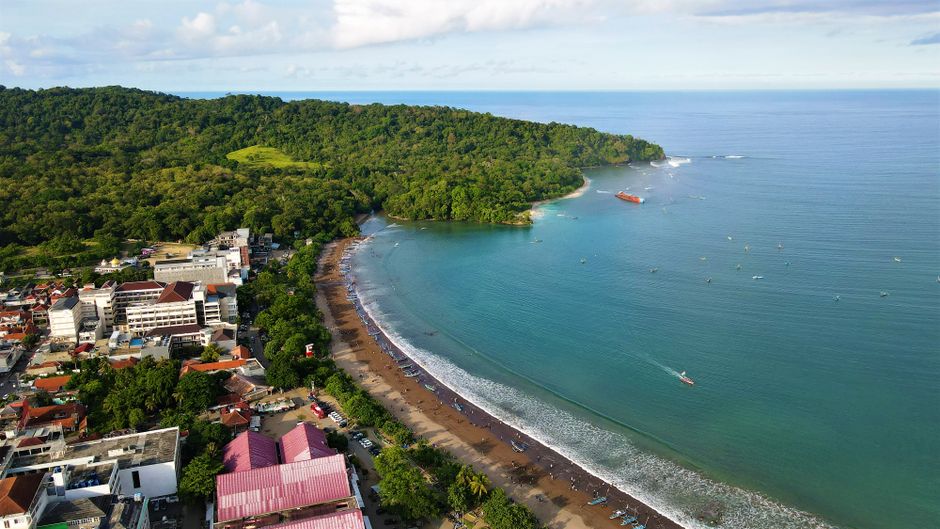
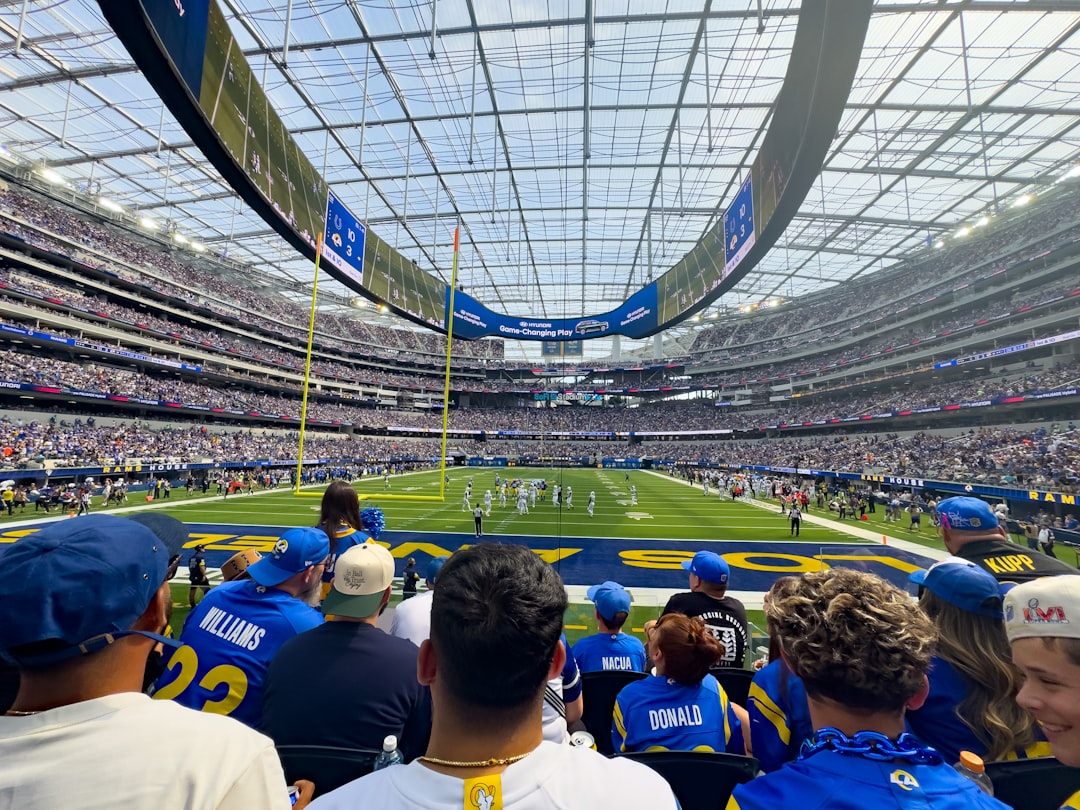
The highly anticipated World Cup Group B clash between England and Costa Rica has been delayed due to severe weather conditions. Organizers confirmed that the match, originally scheduled for Tuesday evening at SoFi Stadium in Inglewood, California, would start at least 90 minutes later than planned. The decision comes as a powerful storm system moves through Southern California, bringing heavy rain, high winds, and lightning strikes to the region. Fans who arrived early were asked to remain in their seats or shelter in designated areas for safety. The delay underscores the growing challenges of hosting major sporting events in regions prone to extreme weather, a concern that has intensified as the 2026 World Cup kicks off across North America.
Weather Disruption Forces Last-Minute Schedule Change
The National Weather Service issued severe thunderstorm warnings for the Los Angeles area, with wind gusts exceeding 60 miles per hour and frequent lightning activity. SoFi Stadium, a partially open-air venue, is particularly vulnerable to such conditions. FIFA and local organizers prioritized player and spectator safety, making the call to delay kickoff after consulting with meteorologists and security teams. The delay affects not only the players but also broadcasters, sponsors, and tens of thousands of fans in attendance. This incident marks one of the most significant weather-related disruptions in World Cup history, drawing comparisons to past tournaments where rain and wind impacted matches in South America and Europe.
England and Costa Rica Prepare for High-Stakes Group Match
Despite the delay, both teams remained focused on the importance of the match. England, managed by Gareth Southgate, enters the game as one of the tournament favorites, boasting a squad with experience from recent Euros and World Cups. Key players like Harry Kane and Jude Bellingham are expected to lead the attack. Costa Rica, under head coach Luis Fernando Suárez, aims to shock the English side with their disciplined defense and counter-attacking style. The Costa Ricans have shown resilience in previous World Cups, notably reaching the quarterfinals in 2014. This match is critical for both teams, as a win could secure early advancement from Group B, while a loss might complicate their path to the knockout stages.
Global Implications and Fan Reaction
The delay has sparked widespread discussion on social media, with fans expressing frustration and concern over the impact on broadcast schedules and travel plans. International viewers, particularly in the Balkans and Europe, tuned in expecting prime-time coverage, only to face uncertainty. The incident highlights the logistical complexities of hosting a World Cup across three countries with varying climates and infrastructures. FIFA has stated that it will adjust the schedule for subsequent matches if necessary, but no other games have been affected so far. The situation also raises questions about future tournament planning, especially regarding venue selection and weather contingency protocols.

Balkan Fans and Media Follow the Disruption Closely
In the Balkans, football remains a unifying passion, and the World Cup draws significant attention across Greece, Serbia, Croatia, and other regional nations. Balkan media outlets, including BalkanArena, have covered the delay extensively, noting the parallels with past weather disruptions in European tournaments. Fans in Belgrade, Zagreb, and Athens gathered in pubs and public spaces to watch the match, only to endure the suspense of the delay. The incident has also reignited conversations about the role of climate change in sports, with experts in the region calling for more resilient infrastructure and flexible scheduling for future events. The Balkan audience, known for its deep football culture, remains invested in both teams, particularly given the historical ties between English football and Balkan supporters.
The England vs Costa Rica match is set to resume once conditions improve, with updated information expected from FIFA and local authorities. Fans are advised to stay tuned to official channels for real-time updates. As the 2026 World Cup progresses, this incident serves as a reminder of the unpredictable nature of large-scale sporting events. The outcome of the match will not only shape Group B standings but also influence the narrative around weather management in global tournaments. For Balkan audiences and football fans worldwide, the game remains a key moment in the tournament, blending athletic competition with the realities of modern event logistics.


Comments