


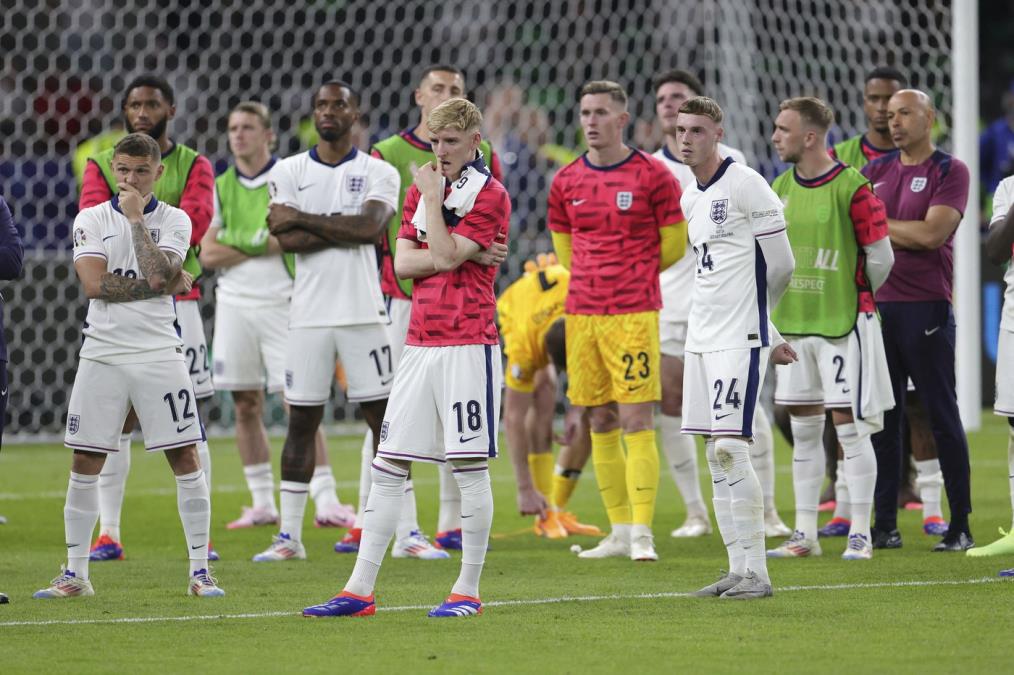
Fortress England: No Spy Left Behind
The air in Kansas City is thick with more than just anticipation. It is thick with paranoia. As the England national football team prepares for the ultimate global stage, the atmosphere inside their training camp has shifted from focused preparation to something resembling a spy thriller. Reports indicate that the English Football Association has activated a level of security so intense, it borders on cinematic. The fear? That rival nations are watching. Listening. Learning.
Gone are the days of simple perimeter fences. Now, anti-drone technology hums above the pitches. Signal jammers blanket the facility, ensuring that no digital whisper escapes the walls. Specialized security teams patrol every shadow, eyes fixed on the horizon, ready to intercept any unauthorized eye. This is not just preparation; this is a fortress mentality.
The Hunter-Catchers Take Flight
The most striking element of this security overhaul is the deployment of "hunter-catcher" drones. These are not mere observers. They are interceptors. Their mission is clear: detect, pursue, and neutralize any unauthorized aerial surveillance. Using nets and precision maneuvers, these guardian drones ensure that England’s tactical drills, set-piece routines, and penalty kick preparations remain strictly confidential. Manager Thomas Tuchel has made it abundantly clear: there will be no shortcuts. Every movement, every strategy, is a closely guarded secret.
Critics argue that this level of vigilance is excessive, a sign of nervousness rather than confidence. But in the high-stakes arena of the World Cup, where a single tactical insight can shift the balance of power, caution is not paranoia—it is prudence. England faces a tough group stage against Croatia, Panama, and Ghana. Tuchel will not leave anything to chance. The drones fly, the jammers hum, and England trains in silence, hoping that secrecy will be their ultimate weapon on the world stage.
fenerbahce were miles better this season tbh honestly didn't see that coming lol Djokovic just different class rn... not convinced they can keep this up but we'll see