


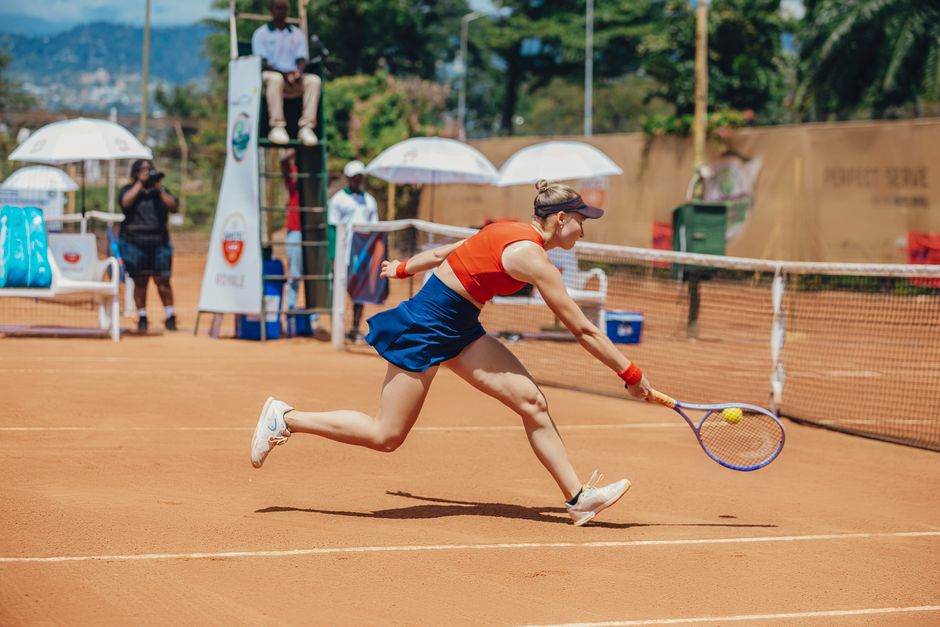
Elena Rybakina remains firmly at the center of the women's tennis world, leveraging her powerful game and recent Grand Slam pedigree to maintain a top-tier position in the WTA rankings. While the 25-year-old Kazakhstani star continues to solidify her status as one of the sport's elite, the broader WTA landscape is undergoing significant shifts. The latest ranking updates highlight a turbulent period for the tour, with newcomers surging into the top 30 and established veterans facing stiff competition. For Balkan tennis fans, who have long followed the rise of regional stars like Novak Djokovic and Jelena Ostapenko, these fluctuations underscore the increasing depth and competitiveness of international tennis.
Rybakina's presence on tour serves as a benchmark for consistency. After her breakthrough victory at Wimbledon, she has worked to replicate that success across different surfaces. Her ability to dominate with a serve that regularly exceeds 190 km/h makes her a formidable opponent in any draw. However, the recent rankings watch reveals that she is not alone in the upper echelons. Players like Magda Linette and Lucia Jaronova are making significant moves, reflecting a broader trend where the gap between the top 10 and the rest of the top 100 is narrowing. This dynamic creates a more unpredictable season, where any player can secure a major upset on any given day.

Ranking Volatility and Rising Stars
The most striking feature of the recent WTA rankings update is the dramatic ascent of lower-ranked players. Magda Linette, representing Poland, has surged 93 places to break into the top 30, reaching a new career-high ranking of No. 21. This meteoric rise is a testament to her consistent performance in recent tournaments, where she has navigated deep runs in hard-court events. Linette's improvement highlights the importance of momentum in modern tennis, where a single strong tournament can drastically alter a player's standing and seeding for future events. Her success also brings attention to the Eastern European contingent in the WTA, a region that has historically produced many of the sport's greatest champions.
Similarly, Lucia Jaronova has climbed 68 places to reach No. 34, while others like Clara Tauson and Magda Fritsch have also made notable gains. These shifts indicate a healthy and competitive tour, where younger players are challenging the established order. For analysts and fans, this volatility means that predicting Grand Slam winners has become increasingly difficult. The traditional hierarchy is being disrupted by players who are finding their form at the right moment. This trend is particularly relevant for Balkan audiences, as it mirrors the underdog narratives that have captivated fans in the region for decades.
The impact of these ranking changes extends beyond individual players. Seeding for upcoming tournaments will be affected, potentially leading to more interesting matchups in the early rounds. Higher seeds may face tougher challenges earlier in the draw, increasing the likelihood of surprises. This adds excitement to the tour and keeps fans engaged throughout the season. For players like Rybakina, maintaining their position requires consistent performance against this rising tide of talent. The pressure is on to continue delivering results, as any slip-up could see them displaced by these emerging forces.
Balkan Connections and Regional Interest
While Rybakina is not from the Balkans, her dominance has implications for the region's tennis development. The success of players from Eastern Europe and Central Asia demonstrates that tennis is a global sport with diverse pathways to success. For Balkan countries like Serbia, Croatia, and Bulgaria, this serves as inspiration for young athletes. The presence of stars like Novak Djokovic, Iga Swiatek, and Elena Rybakina at the top of the rankings shows that players from outside the traditional tennis powerhouses can achieve greatness. This is particularly relevant for nations investing in tennis infrastructure and youth programs, as it validates their efforts to cultivate local talent.
Balkan audiences have a deep appreciation for tennis, largely due to the historic success of their own players. The rivalry between Djokovic and other top stars has captured the imagination of fans across the region. As the women's game evolves, with players like Rybakina and Ostapenko leading the charge, there is growing interest in the WTA. The recent ranking shifts highlight the competitive nature of the tour, which mirrors the intensity seen in men's tennis. For fans in the Balkans, this means more opportunities to support their regional heroes while also enjoying the broader spectacle of international tennis.
The connection between Rybakina's success and the Balkan region is also evident in the shared cultural appreciation for sports excellence. Countries like Serbia and Croatia have a strong tradition of producing world-class athletes, and the rise of players like Linette and Jaronova from nearby regions reinforces this trend. As tennis continues to grow in popularity, the Balkans remain a key market for the sport. Fans are eager to see how their local players will fare against the likes of Rybakina, and the recent ranking updates add another layer of intrigue to upcoming tournaments.

What to Watch Next
As the tennis season progresses, the focus will remain on how these ranking shifts impact upcoming tournaments. Rybakina's ability to maintain her top-10 status will be tested by the rising stars who are gaining confidence and momentum. Fans should keep an eye on her performances in major events, where she will face tough competition from players like Linette and Jaronova. The depth of the field means that any player can have a breakthrough moment, making every match potentially significant.
For Balkan audiences, the continued success of regional players will be a key storyline. The rise of Eastern European talents in the WTA rankings is a positive sign for the sport's future in the region. As these players gain more experience and success, they will inspire the next generation of athletes. The competitive landscape of women's tennis is evolving rapidly, and the coming months will reveal who can sustain their momentum. With Rybakina and others setting a high bar, the stage is set for an exciting and unpredictable season ahead.



Comments