



The Pacific Ocean is once again warming, signaling the return of El Niño, the powerful climate phenomenon that triggers extreme weather events across the globe. According to recent monitoring data from international meteorological agencies, sea surface temperatures in the central and eastern tropical Pacific have surpassed the threshold required to declare an El Niño event. This shift marks a significant departure from the neutral or La Niña conditions that have dominated the region in recent years, setting the stage for a volatile global climate pattern. For the Balkans, a region already grappling with the intensifying effects of climate change, this development carries profound implications for agriculture, water resources, and public safety.
El Niño is characterized by the periodic warming of sea surface temperatures in the equatorial Pacific, which disrupts normal atmospheric circulation patterns. This disruption, known as the Bjerknes feedback, alters jet streams and pressure systems worldwide. While the phenomenon originates thousands of kilometers away, its teleconnections reach deep into Europe. Historically, El Niño events are associated with wetter and stormier winters in northern Europe, while southern regions, including parts of the Balkans, often experience warmer and drier conditions. The current cycle, predicted to peak in intensity during the late 2024 and early 2025 period, is being closely watched by scientists and policymakers alike.

Global Impacts and Agricultural Consequences
The immediate impact of El Niño is most acutely felt in the Americas and the Asia-Pacific region, but the ripple effects are global. In South America, countries like Peru and Ecuador often face severe flooding, while parts of the southern United States experience increased rainfall. Conversely, Southeast Asia and Australia frequently struggle with droughts, threatening rice production and water supplies. These regional shocks disrupt global supply chains, leading to volatility in commodity prices. For wheat, maize, and soy, the primary staples of global agriculture, the variability in harvest yields can lead to significant price spikes that affect food security worldwide.
Europe, though geographically distant, is not immune to these economic and environmental shocks. The European Union relies heavily on stable agricultural outputs from both within its borders and from global partners. When El Niño-induced droughts hit major grain-producing regions, the cost of feed for livestock and ingredients for processed foods rises. This inflationary pressure is transmitted to consumers, impacting household budgets across the continent. Furthermore, the altered weather patterns can exacerbate existing vulnerabilities in European infrastructure, particularly in sectors reliant on consistent water availability, such as energy production and industrial cooling.
Scientists at the World Meteorological Organization emphasize that the severity of El Niño’s impact depends on its strength and duration. Weak events may pass with minimal disruption, while strong events, like those in 1997-1998 or 2015-2016, can cause catastrophic damage. The current forecast suggests a moderate to strong event, prompting early warnings for disaster preparedness. Governments and international aid organizations are already mobilizing resources to support vulnerable communities in the tropics, while European agencies are assessing potential risks to their own climate-sensitive sectors.
The Balkan Angle: Droughts, Forest Fires, and Water Scarcity
For the Balkan peninsula, El Niño often correlates with a specific and dangerous weather pattern: warmer temperatures and reduced precipitation during the winter and spring months. This region, comprising countries such as Greece, Bulgaria, Serbia, Romania, Croatia, and Turkey, has already witnessed a trend of increasing aridity. The return of El Niño threatens to accelerate this trend, potentially leading to severe droughts that strain water reservoirs and agricultural lands. In Greece and southern Turkey, for instance, prolonged dry spells are a primary driver of devastating forest fires, a threat that becomes significantly more acute when humidity levels drop and winds pick up.
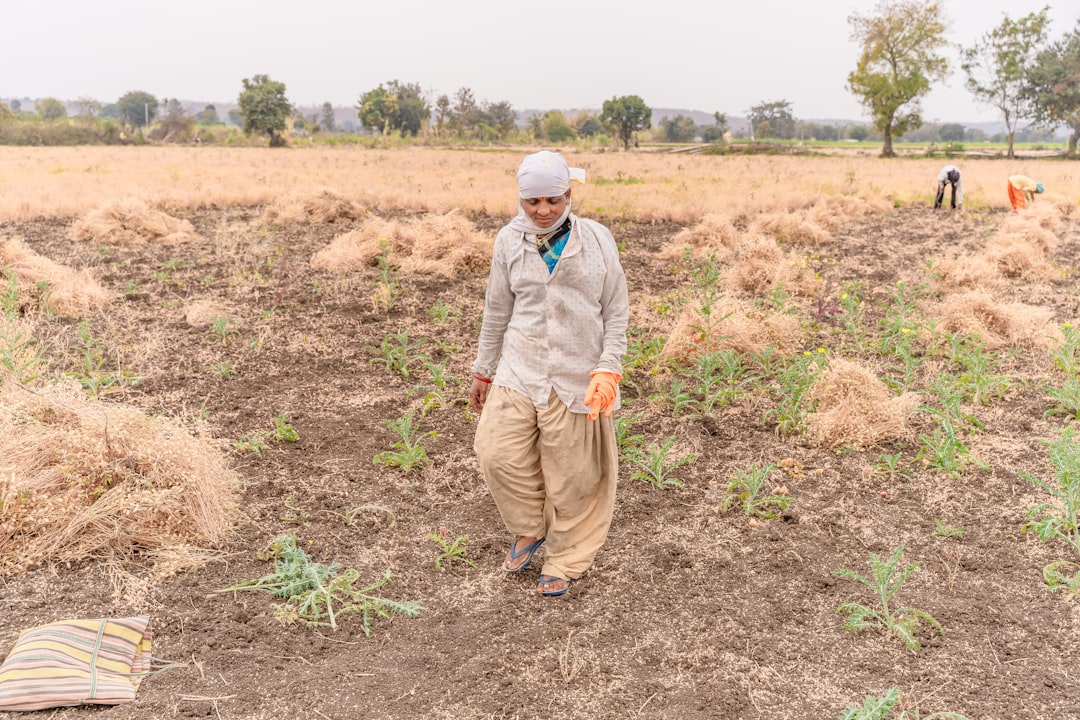
Agriculture is a cornerstone of the Balkan economy, particularly in rural areas. Crops such as olives, grapes, wheat, and tobacco are highly sensitive to water availability. An El Niño-induced drought could lead to reduced yields, threatening the livelihoods of smallholder farmers and impacting export revenues. Agricultural practices in the region are still adapting to modern climate challenges, and many farms lack the sophisticated irrigation infrastructure needed to withstand prolonged dry periods. This vulnerability is compounded by the fact that Balkan countries are also dealing with the broader impacts of global warming, which are shifting baseline climate conditions independently of El Niño cycles.
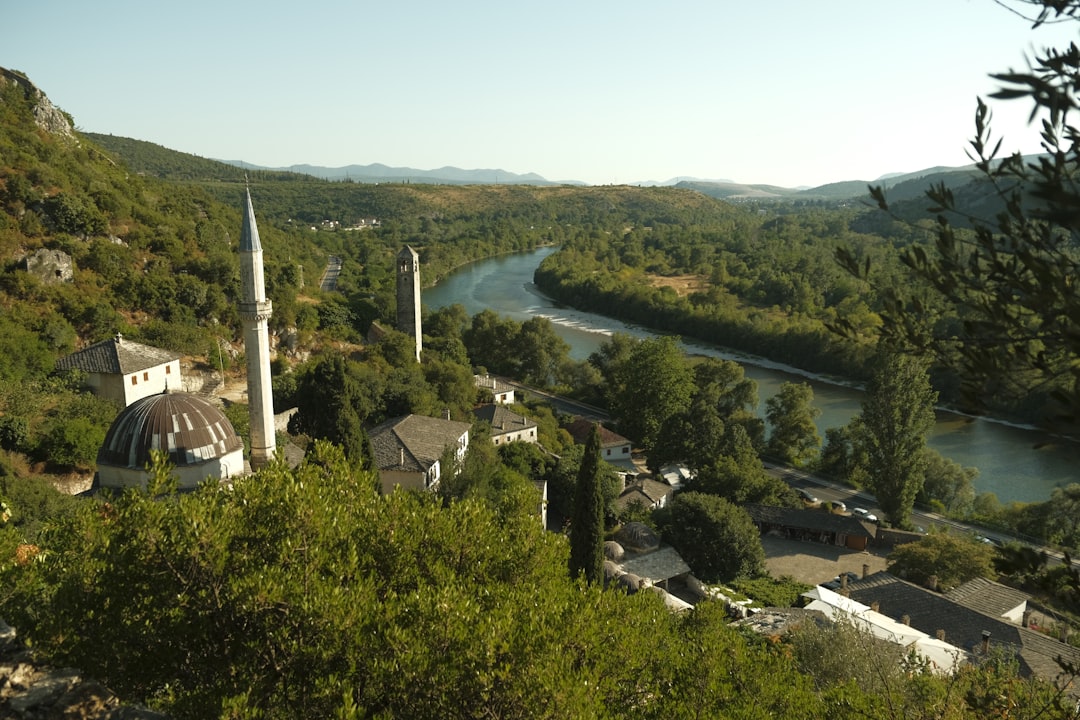
Moreover, the phenomenon can influence the severity of winter weather in the northern Balkans. While the south may bake under dry heat, countries like Serbia, Romania, and Bosnia and Herzegovina might experience a more volatile winter, with potential for intense storm systems followed by rapid warming periods. These fluctuations can damage infrastructure, disrupt transportation networks, and challenge energy grids. The climate of the Balkans is inherently complex due to its varied topography, ranging from the Adriatic coast to the Carpathian Mountains, making regional forecasting difficult and requiring localized adaptation strategies.
Preparedness and Future Outlook
As the El Niño event develops, the focus shifts from prediction to adaptation. For Balkan nations, this means reinforcing early warning systems for droughts and wildfires, investing in water-saving technologies, and diversifying agricultural practices. International cooperation is essential, as climate phenomena do not respect borders. The European Commission’s climate adaptation strategies provide a framework, but implementation at the national and local levels is critical. Citizens are also being urged to adopt water-conscious behaviors and prepare for potential disruptions in food supplies and energy costs.
Looking ahead, the interplay between El Niño and long-term climate change remains a key area of scientific inquiry. Some researchers suggest that global warming may be intensifying the extremes associated with El Niño, making events hotter, drier, and more destructive. Monitoring the Pacific Ocean’s temperature anomalies will continue to be vital for forecasting the next few months. As the peak of the event approaches, the global community, including the Balkans, must remain vigilant. The coming winter and spring will serve as a stark test of resilience, highlighting the urgent need for sustainable practices and robust climate policies in an increasingly unpredictable world.


Comments