



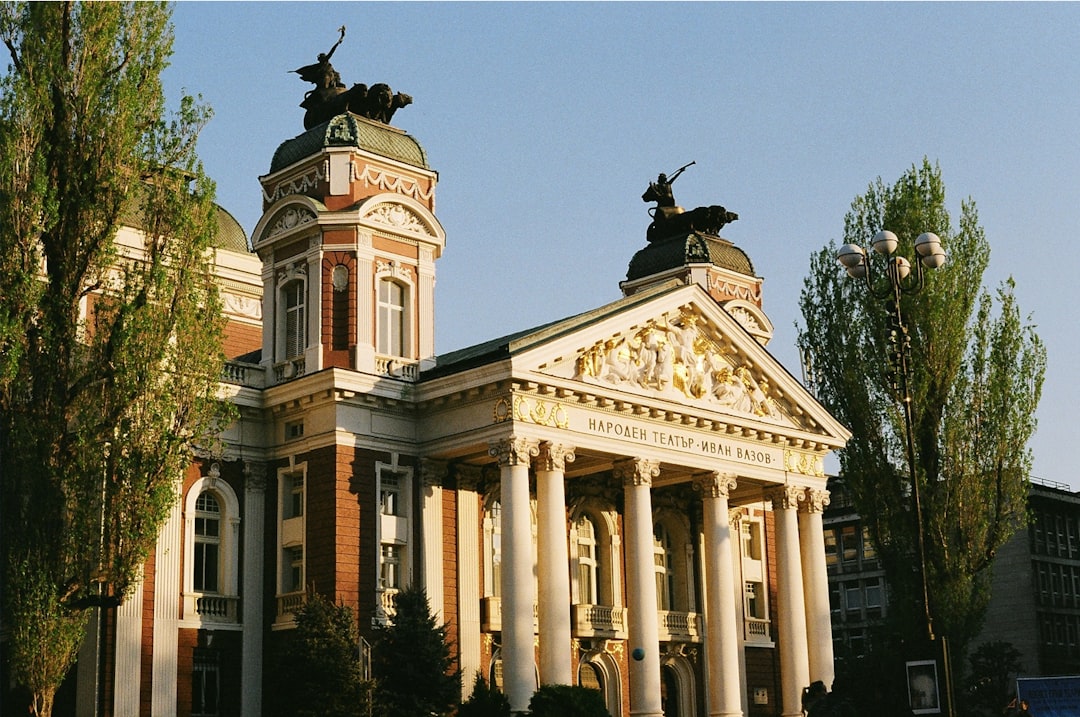
The cultural landscape of Sofia has been thrown into turmoil following a public dispute at the National Theatre "Ivan Vazov", one of Bulgaria's most prestigious artistic institutions. The controversy centers on Valeri Yordanov, a celebrated veteran actor known for his decades-long career on the Bulgarian stage, and the theatre's current management. Reports indicate that fresh tensions have erupted between Yordanov and the theatre's director, marking yet another chapter in what appears to be a prolonged internal conflict. This incident has drawn significant attention from the Bulgarian media and the public, raising questions about artistic freedom, management transparency, and the future of national cultural institutions in the Balkans.
Valeri Yordanov is a household name in Bulgarian theatre, recognized for his commanding presence and versatile performances in both classical and contemporary productions. His involvement in this dispute highlights the broader struggles facing many state-funded cultural establishments in the region, where artistic vision often clashes with administrative directives. For audiences in Sofia and beyond, this is not just a backstage squabble; it represents a potential shift in how Bulgaria's premier theatrical institution operates and who holds the power to shape its artistic output. The stakes are high, as the National Theatre "Ivan Vazov" serves as a cultural barometer for the entire country.
Background of the Conflict
The current flare-up at the National Theatre "Ivan Vazov" is described by local media as part of an ongoing series of dramatic events within the institution. According to recent reports, the conflict involves direct confrontations between the theatre's director and Valeri Yordanov. While specific details of the latest incident remain under wraps, the pattern suggests deep-seated disagreements over artistic direction, casting decisions, or management style. Yordanov, whose career spans several decades, has been a stabilizing force in Bulgarian theatre, making his public disagreement with management particularly notable.
Previous tensions at the theatre have hinted at structural issues that go beyond individual personalities. State-funded theatres in Bulgaria, like many in the Balkans, often operate under complex bureaucratic frameworks that can stifle creative autonomy. The director, tasked with balancing artistic integrity, financial constraints, and political expectations, may find themselves at odds with senior artists who feel their professional judgment is being undermined. Yordanov's stance is seen by many supporters as a defense of artistic meritocracy against what they perceive as arbitrary administrative overreach. This context is essential for understanding why the dispute has resonated so strongly with the public.
The National Theatre "Ivan Vazov" has a rich history, tracing its roots back to the 19th century and playing a central role in the formation of Bulgarian national identity through performance. When such an institution becomes a stage for internal drama, it reflects broader societal anxieties about the value placed on culture and the arts. The involvement of a figure like Yordanov, who embodies the legacy of Bulgarian theatre, amplifies the significance of the conflict. It is not merely a personnel issue but a symbolic struggle over the soul of the institution.
Significance and Impact on Bulgarian Culture
The implications of this dispute extend far beyond the walls of the theatre. For the Bulgarian public, the National Theatre "Ivan Vazov" is a cultural landmark, a place where generations have experienced the power of live performance. When its internal workings become a source of scandal, it undermines public trust in cultural institutions. Critics argue that such conflicts divert attention from the art itself and create a toxic environment that can hinder creative collaboration. The potential loss of key artists like Yordanov would be a significant blow to the theatre's repertoire and its ability to produce high-quality performances.
Moreover, this incident highlights the precarious position of artists in the Balkans, where funding for the arts is often limited and subject to political influence. The clash between Yordanov and the director serves as a microcosm of larger challenges facing cultural workers across the region. It raises important questions about accountability, transparency, and the mechanisms for resolving disputes within state-funded institutions. If left unaddressed, such conflicts can lead to long-term damage, including the departure of talented artists to other venues or countries, thereby weakening the cultural fabric of the nation.
The media coverage of the dispute has been extensive, with outlets like MediaPool providing detailed reports on the developing situation. This level of scrutiny indicates that the public is deeply invested in the outcome. Cultural institutions are expected to be models of professionalism and artistic excellence, and when they fail to live up to these standards, the consequences can be severe. The pressure on the theatre's management to resolve the conflict and restore harmony is mounting, with stakeholders calling for open dialogue and fair treatment for all employees.
The Balkan Angle and Regional Context
While this dispute is specific to Bulgaria, it resonates with similar issues faced by cultural institutions across the Balkans. In countries like Serbia, Croatia, and Romania, state theatres often grapple with the same tensions between artistic vision and administrative control. The Balkan region has a rich theatrical tradition, but it also faces challenges related to funding, political interference, and the need for modernization. The situation at the National Theatre "Ivan Vazov" offers a valuable case study for understanding these broader regional dynamics. It underscores the importance of protecting artistic independence and ensuring that cultural institutions are managed with integrity and respect for their creative workforce.
For international audiences, the dispute highlights the vibrant and complex cultural life of the Balkans. The region is home to many talented artists and institutions that contribute significantly to the global arts scene. However, these contributions are often overshadowed by political and economic challenges. By paying attention to stories like this, international observers can gain a deeper appreciation for the struggles and triumphs of Balkan culture. The resilience of artists like Valeri Yordanov, who continue to advocate for artistic excellence despite adversity, is a testament to the enduring power of the performing arts in the region.
As the situation at the National Theatre "Ivan Vazov" continues to unfold, it will be important to monitor how the conflict is resolved and what changes, if any, are implemented to prevent future disputes. The outcome could set a precedent for how similar issues are handled in other cultural institutions across Bulgaria and the wider Balkans. Stakeholders, including artists, administrators, and policymakers, have a shared responsibility to ensure that the theatre remains a beacon of artistic excellence and a source of pride for the nation. The eyes of the cultural community are on Sofia, waiting to see how this dramatic chapter in the theatre's history will conclude.


Comments