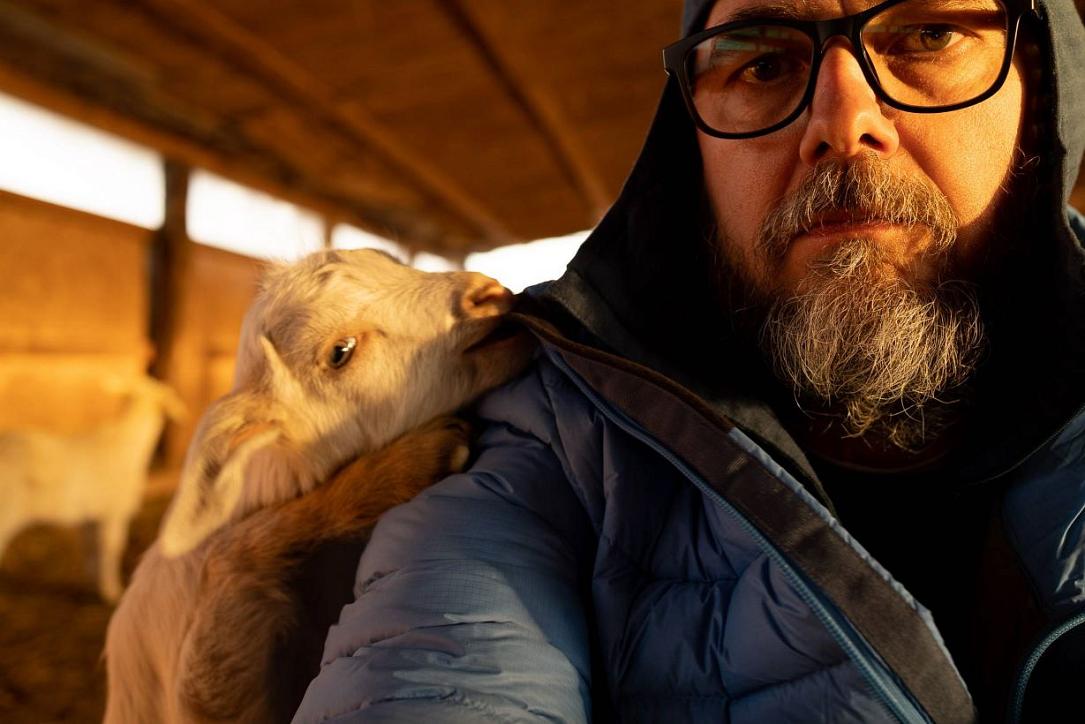
Filmmaker Dragoş Lumpan embarked on a 20-year journey to document the vanishing practice of transhumance, the seasonal migration of shepherds with their livestock between mountain and lowland pastures. Lumpan traveled over 50,000 kilometers across Romania, Turkey, Greece, Italy, Albania, and Wales to capture this fading way of life. Now, with his documentary The Last Transhumance hitting local cinemas, Lumpan reflects on his project’s long and winding path.
Lumpan likens his filmmaking process to a personal transhumance: a series of ups and downs. He learned about the intricacies of documentary post-production along the way and admits he might not have started the project had he known the costs involved. But despite the challenges, he says he would do it “twenty times over if it were possible.”
The project began as a photography endeavor in 2007, funded entirely by Lumpan. In 2010, he received funding that allowed him to exhibit the photographs and expand the project to film. By then, portable filming equipment had become available, making it feasible to produce high-quality footage that was previously impossible.
Lumpan accompanied shepherds on their journeys, witnessing a different way of measuring time and