


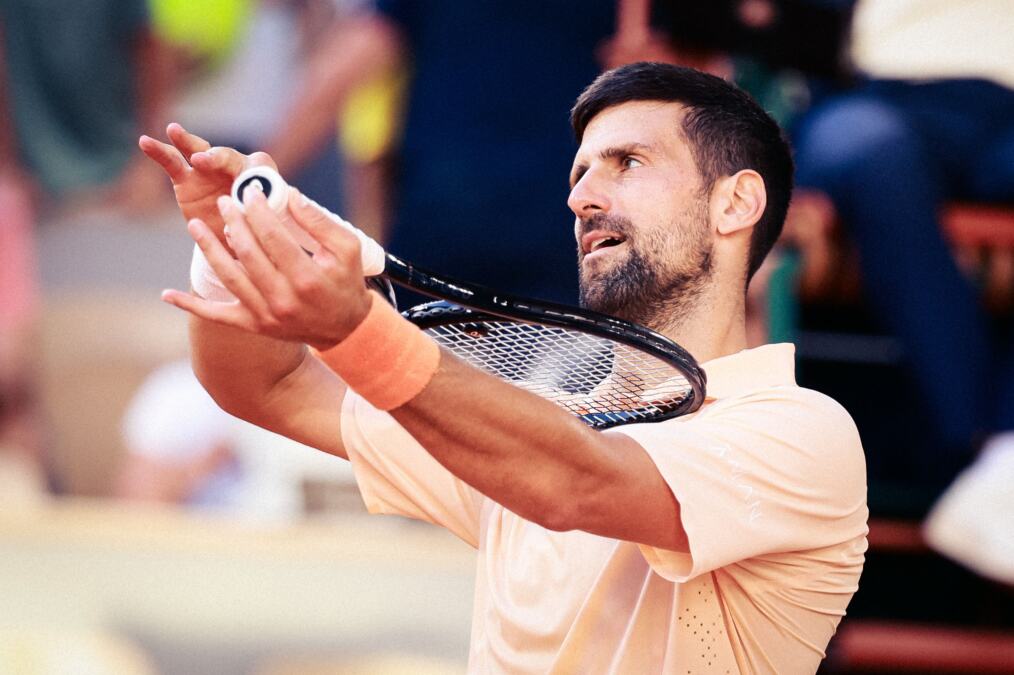
The Shockwave on the Clay
The clay courts of Roland Garros trembled this week. The unthinkable happened. Jannik Sinner, the Italian powerhouse, crumbled against Juan Manuel Cerundolo in the second round. The favorite fell. The bracket shifted. And in that vacuum of power, one name rose to the top like a phoenix from the dust: Novak Djokovic.
The 36-year-old Serbian maestro is hunting history. Twenty-five Grand Slams. A number that defies logic. With the top seeds decimated, the path to the Philippe-Chatrier throne has never looked more navigable. Is this the moment? Is this the destiny written in the clay?
A Clearer Road to Glory
Djokovic, the third seed, stands firm. His first opponent? Brazilian qualifier Joao Fonseca, ranked 28th in the world. A manageable test. A warm-up for the main event. But do not mistake ease for simplicity. Djokovic’s body carries the weight of decades. Every match is a battle against time itself.
Look ahead. The fourth round pits him against the winner of Casper Ruud versus Tommy Paul. A Scandinavian giant or an American grinder. Then, the quarterfinals beckon with Alex de Minaur, the eighth seed, a player who thrives on chaos and speed. The semifinal? Alexander Zverev. The German tank. A physical war waiting to happen.
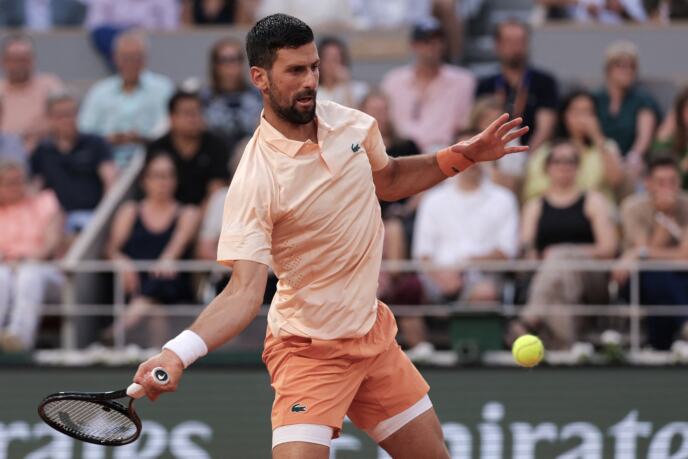
The Other Half of the Draw
While Djokovic’s side stabilizes, the upper bracket is a war zone. With Sinner gone, Felix Auger-Aliassime and Ben Shelton step into the light. The fourth and fifth seeds respectively. Both possess the firepower to storm the final. The French Open is no longer a coronation; it is a conquest. The question remains: can Djokovic survive the gauntlet and etch his name into legend once more?

sinerin çıkışı gerçekten şok oldu ngl. Djokovic için kapılar aralandı gibi ama Zverev maçı çok ağır geçecek sanırım. finalde kim olur bakalım...