


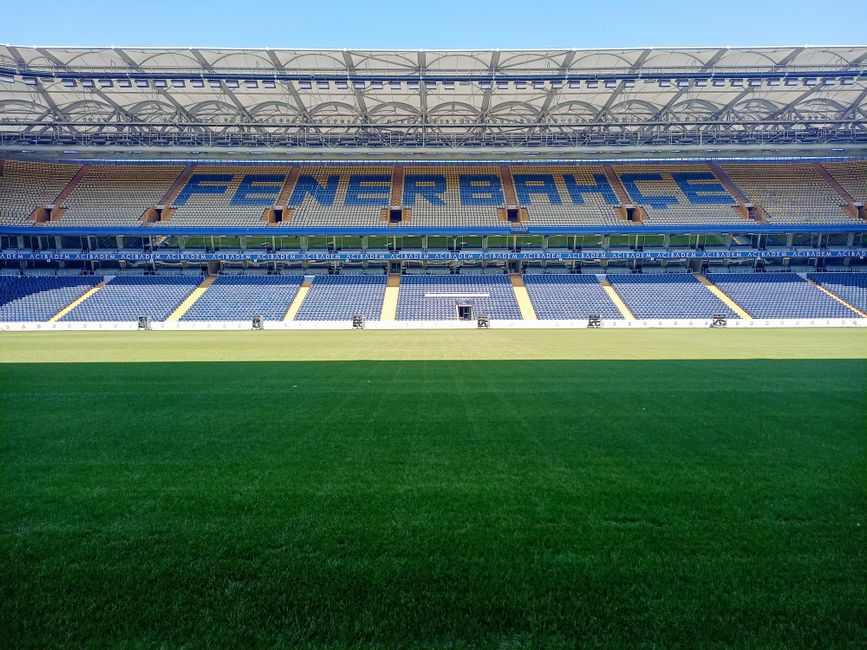
The historic Istanbul derby, traditionally a fiery contest on the football pitch, has ignited a new arena with the wheelchair basketball semifinals between Fenerbahçe and Beşiktaş. Fenerbahçe Istanbul Jet secured a decisive first-leg victory against Beşiktaş, taking a 1-0 series lead into the return leg. This match is not merely a continuation of one of the world's most intense sporting rivalries but a significant milestone for adaptive sports in Turkey. The result shifts momentum in the Turkish Wheelchair Basketball Super League, placing Fenerbahçe in a commanding position while Beşiktaş faces the pressure of needing a dominant performance to force a decider or overturn the deficit.
For the Balkan region, where basketball holds deep cultural significance, this derby resonates beyond national borders. Turkish clubs regularly compete in European competitions, and the intensity of the Istanbul rivalry mirrors the passion seen in derbies across the region, from Belgrade to Athens. The visibility of adaptive sports in such a high-profile contest highlights the growing professionalization of wheelchair basketball in the Balkans and Turkey, attracting sponsors, media coverage, and fan engagement that were once reserved exclusively for able-bodied leagues.
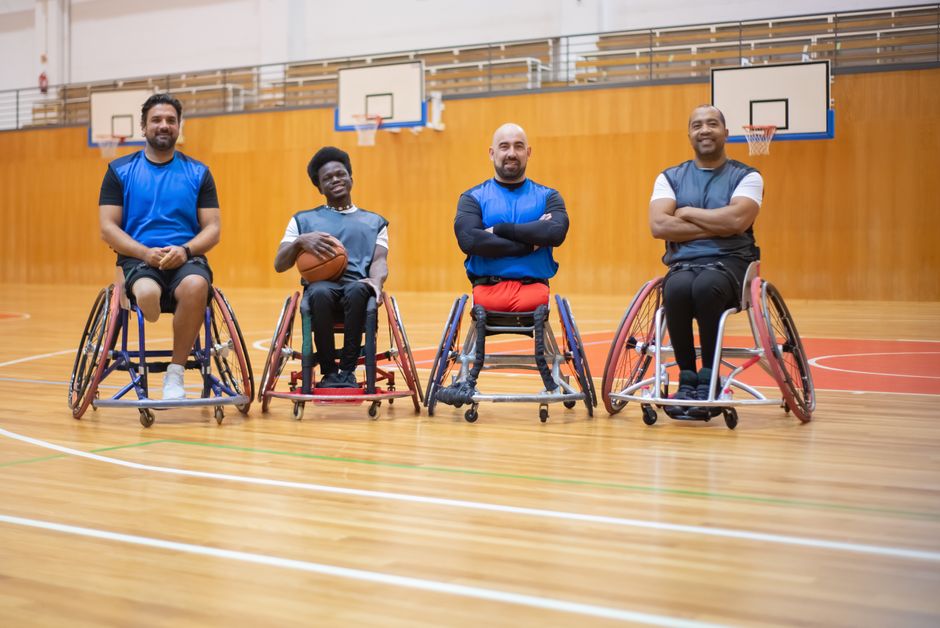
Context of the Istanbul Derby in Adaptive Sports
The rivalry between Fenerbahçe and Beşiktaş is known as the Istanbul Derby and is one of the most watched sporting events in Turkey. While football dominates the headlines, both clubs have invested heavily in their basketball departments, including their wheelchair teams. Fenerbahçe Istanbul Jet, the wheelchair basketball arm of the yellow-and-navy giant, has been a powerhouse in the Turkish league, consistently competing for domestic titles and European spots. Beşiktaş, traditionally strong in football, has also built a competitive wheelchair squad, aiming to challenge Fenerbahçe's dominance.
The 2026 Turkish Wheelchair Basketball Super League semifinals have delivered a narrative of parity and passion. The first leg, played in front of an engaged crowd, showcased high-level tactical play, aggressive defense, and fast-paced transitions. Fenerbahçe’s victory was built on superior ball movement and effective use of their point players, who controlled the tempo against Beşiktaş’s physical defense. The win underscores Fenerbahçe’s organizational depth and their commitment to excellence across all sports categories.
This contest is part of a broader trend in Turkey and the Balkans, where adaptive sports are gaining institutional support. National federations and club structures are increasingly recognizing the commercial and social value of wheelchair basketball. The visibility of these teams helps normalize disability in sports, inspiring young athletes with disabilities across the region to pursue competitive pathways. The derby format amplifies this impact, drawing fans who might not typically follow adaptive sports.
Significance and Impact on the League
A 1-0 series lead in a best-of-three semifinal format provides Fenerbahçe with a substantial psychological and strategic advantage. Hosting the second leg, if applicable, or playing away with a cushion, allows them to dictate terms. For Beşiktaş, the loss is a setback but not a defeat. They must analyze the first-leg performance, identify tactical adjustments, and execute a game plan that neutralizes Fenerbahçe’s strengths. The return leg will likely feature increased intensity, with Beşiktaş pushing for early leads and Fenerbahçe looking to extend their advantage.
The implications extend beyond the immediate series. The winner of this semifinal will advance to the Turkish Wheelchair Basketball Super League final, competing for the domestic championship title. This title carries prestige and often serves as a qualifier for European competitions, such as the EuroWheelchair Basketball Champions Cup. For Balkan audiences, European competition results are closely followed, as Turkish clubs are regular participants and often top seeds. A deep run by either Istanbul club would elevate the profile of the league and attract further investment.
Moreover, the derby’s success demonstrates the viability of adaptive sports as a mainstream entertainment product. Broadcasters and digital platforms are increasingly covering these matches, recognizing the loyal fan bases and the compelling narratives. This visibility drives sponsorship opportunities, which are critical for the sustainability of adaptive sports programs. Clubs that succeed commercially can reinvest in athlete development, coaching staff, and facilities, creating a virtuous cycle of growth.
The Balkan Connection and Future Outlook
The Balkans have a strong tradition in wheelchair basketball, with countries like Serbia, Croatia, and Turkey producing elite athletes and competitive national teams. The intensity of the Fenerbahçe-Beşiktaş derby reflects the regional passion for basketball, where rivalries are deeply embedded in local culture. Fans in the Balkans follow Turkish club basketball closely, particularly when top European clubs are involved. The derby’s high stakes and competitive nature resonate with Balkan audiences, who appreciate the tactical nuance and emotional intensity of such matches.
Looking ahead, the return leg of the semifinal will be a critical test for both clubs. Beşiktaş must demonstrate resilience and tactical flexibility to overcome the deficit. Fenerbahçe, meanwhile, must maintain focus and execute their game plan under pressure. The outcome will determine which Istanbul giant advances to the final, setting up a potential repeat of the derby in the championship or a clash with another regional powerhouse. Regardless of the result, the series has already achieved its goal of raising the profile of wheelchair basketball in Turkey and the Balkans.
For readers and fans, the key takeaway is the growing professionalism and competitiveness of adaptive sports in the region. The Fenerbahçe-Beşiktaş derby is a microcosm of this trend, showcasing high-level play, passionate fans, and institutional support. As adaptive sports continue to gain visibility, derbies like this will play a crucial role in driving engagement and investment. The next few weeks will reveal whether Fenerbahçe can close out the series or if Beşiktaş can stage a remarkable comeback, but the significance of the contest extends far beyond the scoreboard.


Comments