


Dennis Drăguș, the dynamic Romanian international winger currently starring for FC Lorient in France's Ligue 1, has emerged as the central figure in a high-stakes transfer saga involving his former club, FCSB (formerly Steaua București). Recent reports indicate that the 24-year-old attacker is poised to return to the Romanian SuperLiga, but negotiations have hit a significant snag over his salary demands. According to sources cited by Romanian sports media, Drăguș has been effectively "rejected" or stalled in talks because the compensation package he requested exceeds the budgetary constraints or financial willingness of the Bucharest-based giants. This development has sparked intense debate among fans and pundits across the Balkans and Romania, raising questions about the player's future trajectory and the financial health of domestic clubs.
The situation matters significantly for Romanian football, as Drăguș is widely regarded as one of the most promising talents to emerge from the country's youth systems in recent years. His potential return to FCSB, the club where he began his professional career, carries emotional weight for supporters who view him as a homegrown hero. However, the financial disconnect highlights a broader trend in Eastern European football: top domestic players are increasingly leveraging their European experience to demand wages that local clubs struggle to match without external financial backing. As the transfer window approaches, the standoff between Drăguș's representatives and FCSB’s management could set a precedent for how Romanian clubs handle their elite homegrown assets.
From Steaua to France: The Rise of a Star
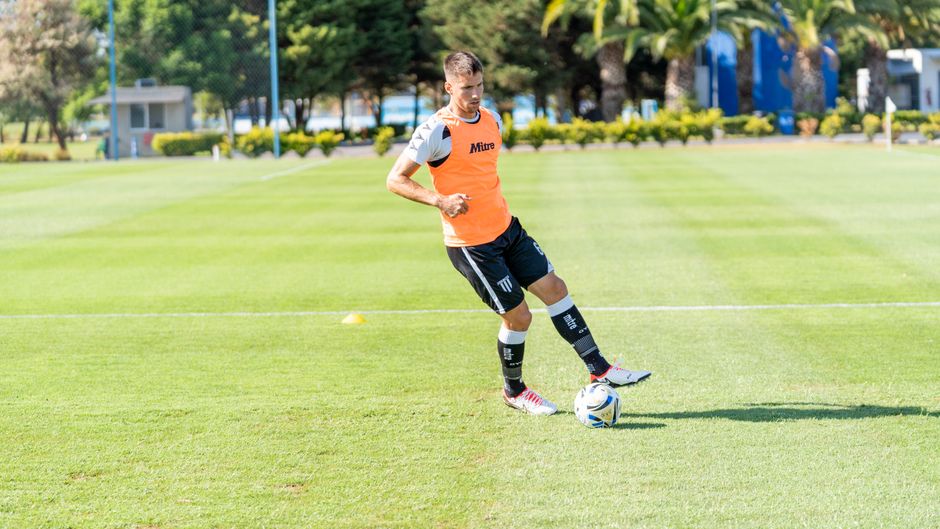
Dennis Drăguș joined the youth academy of Steaua București (now FCSB) at a young age and quickly progressed through the ranks. He made his senior debut for the club in 2018, showcasing a blend of pace, technical skill, and goal-scoring instinct that caught the attention of scouts across Europe. During his time in Bucharest, he became a regular starter in the Romanian SuperLiga and contributed to the team's domestic success. His performances earned him a move to FC Lorient in 2021, a club in the French Ligue 1, where he has continued to develop his game in a more competitive European environment.
At Lorient, Drăguș has established himself as a key player, often featuring as a winger or second striker. He has been instrumental in helping the Breton club avoid relegation and compete in the upper half of the table. His statistics in France reflect his growth: he has consistently contributed goals and assists, drawing interest from larger clubs in Europe. Despite the allure of bigger leagues, Drăguș has maintained a strong connection to his roots. He has frequently been linked with a return to Romania, with FCSB being the most prominent suitor. The emotional pull of returning to the stadium where he started his career is a powerful factor in this narrative.
The Salary Dispute and FCSB's Financial Reality
The core of the current controversy lies in the financial terms of a potential return. Reports suggest that Drăguș’s representatives have put forward a salary demand that FCSB finds difficult to accept. This is not merely a matter of pride but of structural financial limitations. Romanian clubs, despite their passionate fanbases, often operate with tighter budgets compared to their counterparts in Western Europe. FCSB, while one of the most successful clubs in the country, faces the challenge of balancing competitive wages with sustainable financial management. The "rejection" mentioned in recent news likely refers to a breakdown in negotiations where the club could not meet the player's financial expectations.
This dispute underscores the changing dynamics of the Romanian football market. As players gain experience abroad, their market value and salary expectations rise accordingly. For FCSB, the decision to walk away or stall negotiations may be a strategic one, aiming to keep wage bills manageable or waiting for a more favorable moment to negotiate. For Drăguș, the situation presents a dilemma: stay in France where he is comfortable and well-compensated, or return home for the prestige of playing for his boyhood club, potentially at a financial sacrifice. The resolution of this standoff will be closely watched by other Romanian clubs and players navigating similar career crossroads.
Impact on Romanian Football and the Balkan Context
The Drăguș saga has implications beyond just one player's career. It reflects the broader ambition of Romanian football to retain its top talent while competing with offers from more wealthy leagues. If FCSB fails to secure Drăguș, it could signal a shift in how domestic clubs approach player recruitment and retention. Other Romanian teams may look to this case as a benchmark for negotiating with players who have European experience. For the Balkan region, where football is a dominant cultural force, the story resonates with similar narratives in Serbia, Croatia, and Bulgaria, where top clubs often struggle to keep their best players due to financial disparities with Western European leagues.
Furthermore, Drăguș’s status as a regular for the Romanian national team adds another layer of importance. His form and fitness are critical for Romania's upcoming international fixtures. Any uncertainty surrounding his club situation could impact his mental preparation and performance on the national stage. Fans in Romania and across the Balkans are eager to see their local stars succeed, and Drăguș’s potential return to FCSB would be a major boost for the league's profile. However, if the deal falls through, it may prompt discussions about the need for greater financial investment in Romanian football to make it a more attractive destination for top talent.
As the transfer window progresses, all eyes will be on the negotiations between Dennis Drăguș and FCSB. Will the player lower his demands to return to the stadium where he began his journey? Or will FCSB find another way to meet his expectations? The outcome will not only define Drăguș's next career step but also set a tone for the future of Romanian football. For now, the suspense remains, with fans and analysts alike waiting to see how this high-profile standoff concludes.

Comments