


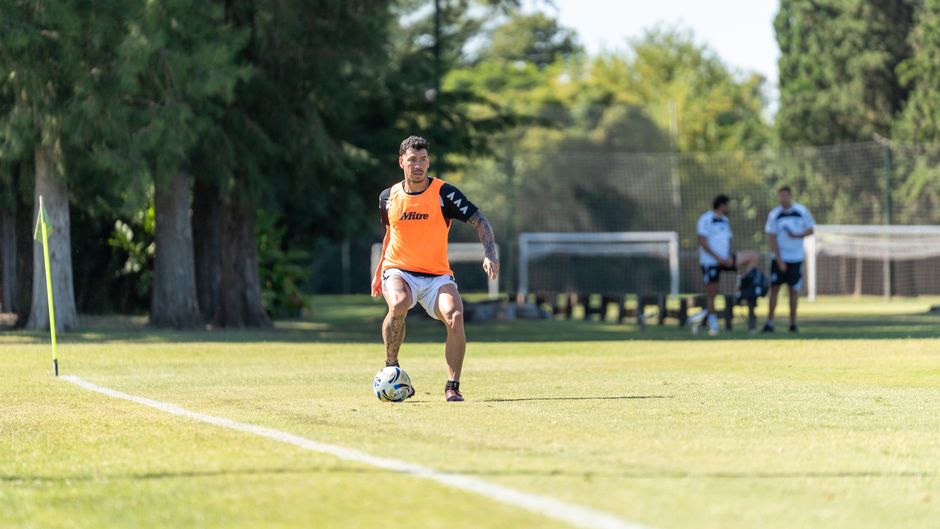
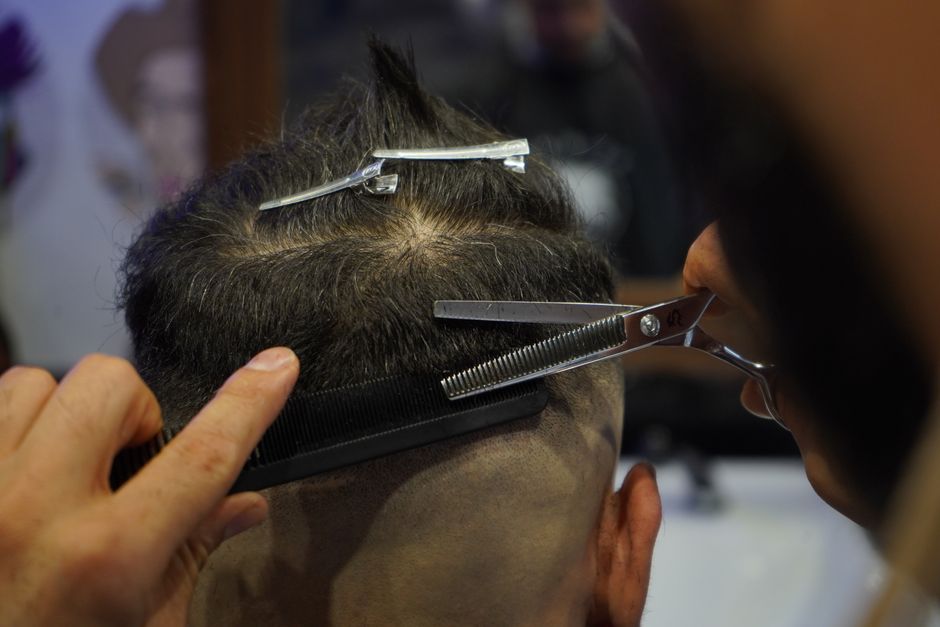
Uruguay striker Darwin Núñez has sparked fresh debate among fans and pundits alike following a dramatic change in his hairstyle, a move that coincides with a critical period for his career at Liverpool and the national team. The 25-year-old forward, known for his explosive pace and physical presence, recently debuted a shorter, cleaner cut during training sessions, departing from the longer, more unkempt style that defined his early months at Anfield. While haircuts rarely dictate football outcomes, the visual shift has been interpreted by many as a symbolic gesture of maturity and a renewed focus on consistency for the Uruguayan international.
The timing of this change is significant. Núñez is currently navigating a challenging phase at Liverpool, where expectations remain incredibly high for a player who arrived from Benfica for a club-record fee in 2022. As the Premier League season progresses, the pressure to deliver regular goals intensifies. Simultaneously, the Uruguayan national team is preparing for crucial fixtures, including qualifiers for the 2026 FIFA World Cup, where Núñez is expected to play a central role. This visual reset aligns with a broader narrative of professional growth, suggesting that the striker is embracing a more disciplined approach both on and off the pitch.
From Benfica to Anfield: The Pressure of High Expectations
Since joining Liverpool in the summer of 2022, Darwin Núñez has been a figure of polarizing opinions. His raw talent and off-the-ball movement were evident during his stint at Benfica, where he formed a formidable partnership with Gonçalo Ramos. However, his transition to the English Premier League has been marked by inconsistency. Critics often point to his finishing and decision-making in the final third as areas needing improvement, while supporters highlight his work rate, pressing intensity, and ability to create chances for teammates like Mohamed Salah and Trent Alexander-Arnold.
The new hairstyle arrives amidst a season where Liverpool manager Jürgen Klopp has been rotating his attacking options. Núñez has shared goal-scoring duties with Diogo Jota and Luis Díaz, making every appearance count. The visual change can be seen as part of a psychological reset, a common tactic among elite athletes to shed past baggage and start anew. In football, where media scrutiny is relentless, such small adjustments often signal a player’s intent to regain control over their narrative. For Núñez, the focus is clearly on delivering results that justify his status as one of the most expensive signings in Liverpool’s history.
Statistically, Núñez has shown flashes of brilliance, with key goals in the Champions League and domestic cup competitions. Yet, the Premier League demands a higher level of weekly consistency. The Uruguayan’s ability to adapt to the physical and tactical demands of English football remains a key storyline. His new look, while superficial, reflects a deeper desire to align his personal brand with the professional standards expected of a top-tier striker. Fans and analysts alike are watching to see if this symbolic change translates into tangible improvements on the pitch.
The Uruguayan National Team and World Cup Hopes
For the Uruguayan national team, Darwin Núñez represents a blend of youthful energy and proven international experience. Having been a key figure in Uruguay’s campaign at the 2022 FIFA World Cup in Qatar, he has established himself as a vital component of the team’s attacking structure. His partnership with Luis Suárez, before the veteran’s retirement, was a focal point of Uruguay’s strategy, and now Núñez shoulders even greater responsibility in the post-Suárez era.
The upcoming CONMEBOL World Cup qualifiers are a grueling test for any South American side, and Uruguay aims to secure a strong position to qualify for the 2026 tournament. Núñez’s form at the club level directly impacts his availability and confidence for international duty. The national team coach, Marcelo Bielsa, is known for demanding high levels of discipline and tactical adherence from his players. A player who appears more focused and mature, as suggested by his recent grooming change, is better aligned with Bielsa’s rigorous system.
Moreover, the Uruguayan football federation is keen to maintain a competitive edge in a continent where Brazil and Argentina dominate the headlines. Núñez’s ability to perform in high-pressure matches will be crucial. His recent visual reset may also resonate with the younger generation of Uruguayan fans, who look to him as a role model. By presenting a more polished image, Núñez reinforces his status as a modern footballer who understands the importance of both on-field performance and off-field professionalism. As the qualifiers approach, every aspect of his preparation, including his mindset, will be under the microscope.
Balkan Perspectives: Why Regional Fans Care
While Darwin Núñez’s story is centered in England and Uruguay, it holds relevance for football fans across the Balkans, where the Premier League enjoys immense popularity. In countries like Serbia, Croatia, and Romania, fans closely follow the fortunes of top European clubs and players. Liverpool’s global fanbase includes many supporters from the Balkan region, who track Núñez’s development with keen interest. His journey from the Uruguayan league to Benfica and then to Liverpool mirrors the career paths of many Balkan players who seek success in Europe’s top leagues.
The themes of adaptation, pressure, and reinvention that define Núñez’s current situation are universal in football. Balkan fans, familiar with the rigorous demands of European football, appreciate the narrative of a young talent striving to meet high expectations. Additionally, the technical and tactical aspects of Núñez’s game—such as his pressing triggers and movement off the ball—are often analyzed in regional football media, offering insights for local coaches and players. His ability to succeed in the Premier League serves as a benchmark for what is possible for strikers from outside Europe.
Furthermore, the global nature of modern football means that trends in player branding and media engagement are closely watched. Núñez’s decision to change his hairstyle, and the subsequent media coverage, reflects the increasing intersection of sports and personal branding. For Balkan audiences, who are increasingly engaged with the commercial and cultural aspects of football, this adds another layer to his story. It is not just about goals and assists, but about how players manage their public image in an era of 24/7 media scrutiny. As Núñez continues his journey, his story remains a compelling case study in resilience and adaptation, resonating with fans far beyond Uruguay and England.

Comments