


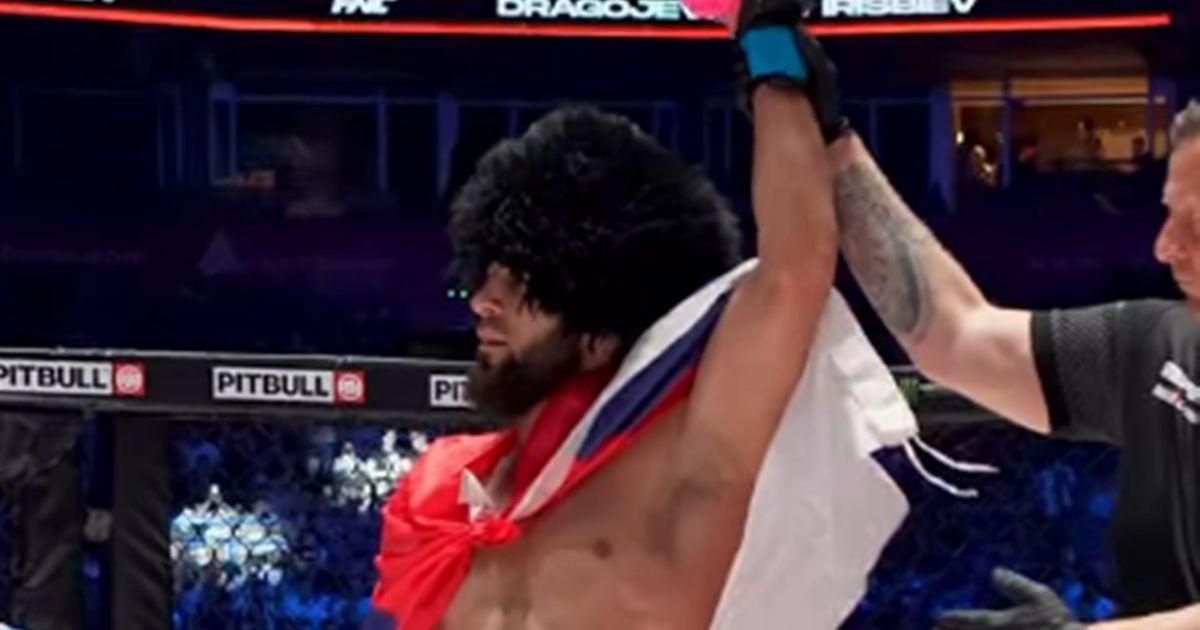
The second bout on the FNC 31 card was not merely a contest; it was a masterclass in control. Under the bright lights, Hanbulat Irisbiev, known to the fighting world as "Honda," dismantled his opponent with precision and poise. Representing Serbia while hailing from the rugged landscapes of Dagestan, Irisbiev secured a unanimous decision victory over Dalibor Dragojevic in the 77-kilogram division.
A One-Sided Affair
For three full rounds, the narrative was clear. Dragojevic, the Montenegrin contender, found himself trapped in a defensive shell for the entirety of the clash. His attempts to break free were sporadic at best. A single knee strike from Dragojevic offered a fleeting moment of resistance, but it was insufficient to sway the judges or shift the momentum. Irisbiev dictated the pace, moving with the calculated efficiency that has made his nickname synonymous with relentless forward pressure.
A Heartfelt Declaration
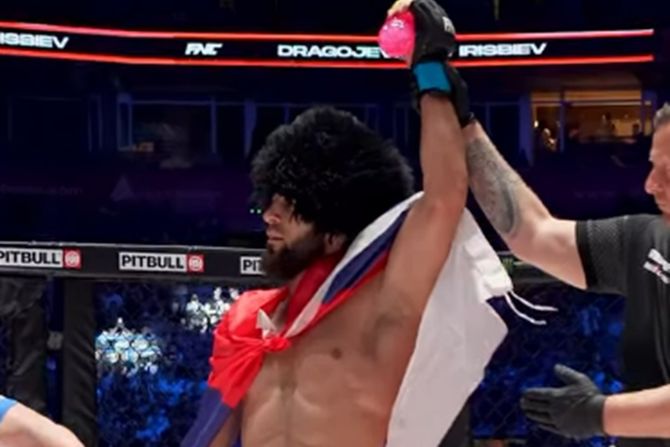
When the bell sounded for the final time, the victory was inevitable. But the true spectacle unfolded in the post-fight interview. Irisbiev, draped in the Serbian flag, addressed the arena not in broken phrases, but in fluent, emotive Serbian. The crowd erupted as the Dagestani warrior poured his heart out, declaring his affection for Belgrade and the nation that has become his second home.
"I am from Dagestan, but I have been here for a year. I love you, I love Serbia, I love Belgrade. I am your man," he told the cheering fans, balancing the Serbian flag with a traditional Dagestani cap on his head. "I am a Serbian Dagestani, Honda."
When asked how he mastered the language so quickly, Irisbiev remained humble. "Honestly, I don't even know, brother. I am shocked. I am from a simple village in Dagestan. My father, my brother Sadur. Selam alejkum to everyone," he said. It was a moment that transcended sport, bridging cultures through respect and raw emotion.
honda basitçe yoktu bu maçta tbh. Dragojevic şanssız oldu ama Irisbiev'in o srpski'si bizi şaşırttı ngl. Dagestan'dan gelip bizi böyle sahiplenmesi çok güzel. Belki bir gün şampiyon olur...