


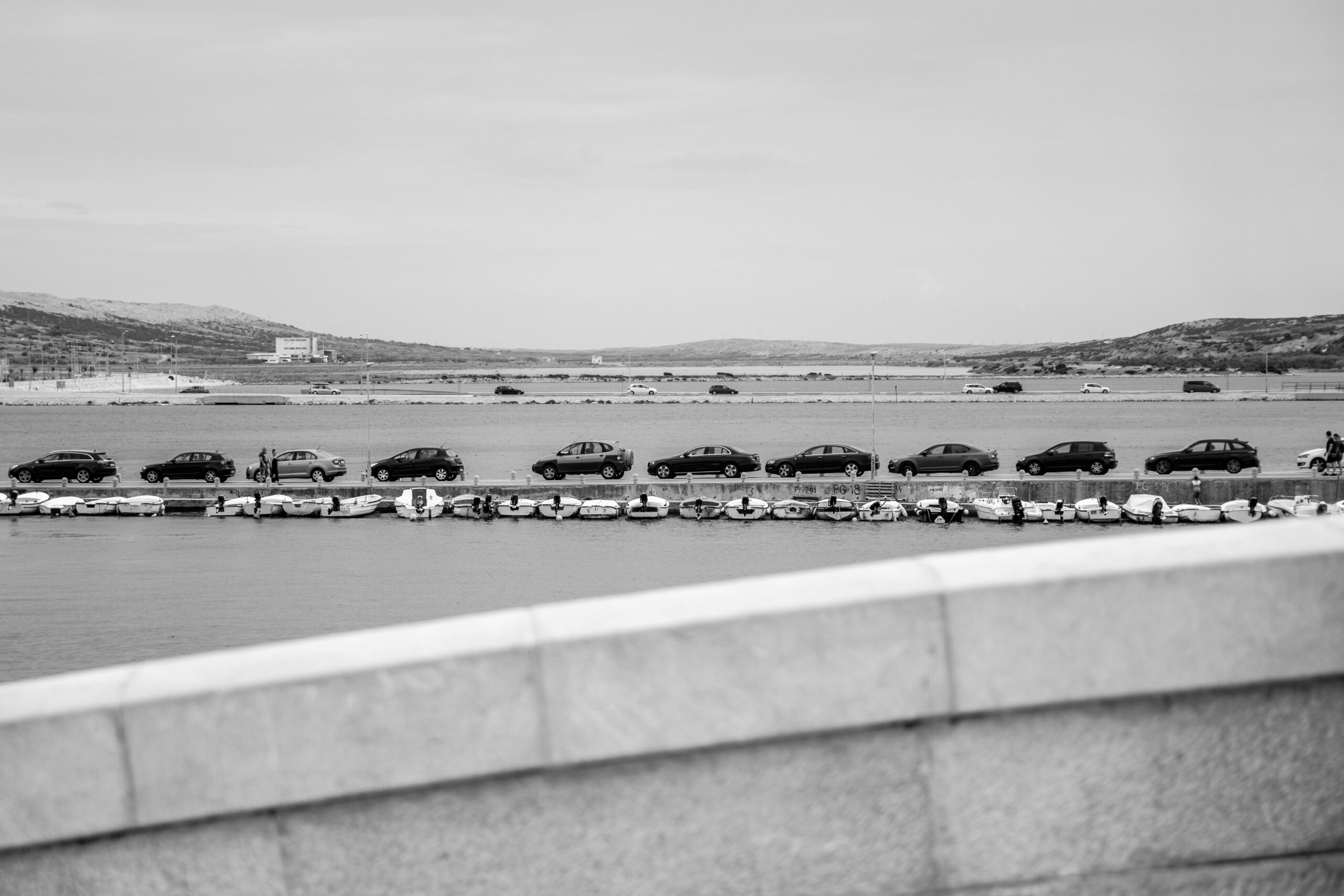
May 19, 2026 – Croatia’s summer traffic chaos is becoming a nearly inescapable part of the tourist experience, with millions of visitors facing long, slow-moving motorway queues and packed toll booths. The congestion extends to ferry ports, where long lines form as tourists arrive and depart, often simultaneously. This situation is no longer seen merely as a seasonal inconvenience but as a significant part of the Croatian tourism experience.
Every year, Croatia experiences one of Europe’s largest seasonal traffic shifts relative to its population size. Tourists from Germany, Austria, Slovenia, Italy, Hungary, Poland, and other nearby countries flood into the country by car, while domestic travel to the coast and islands intensifies. The result is enormous pressure on the motorway system, especially during weekends in July and August.
The A1 motorway, connecting Zagreb with Dalmatia, becomes one of the biggest bottlenecks during peak travel days. Once considered one of Croatia’s major development success stories, the motorway system now faces volumes that test its limits during peak season. Traffic around Split, Zadar, and major ferry ports often becomes congested, with additional strain on island routes as ferry demand spikes.
Croatia’s motorways are excellent, with great technology and stunning scenery, and they have dramatically improved national connectivity and fueled tourism growth over the past two decades. However, rising tourism numbers are putting increasing pressure on the infrastructure. The intense and unrelenting summer heat adds another layer of challenge, as long delays under extreme temperatures create stress for drivers, increase fuel consumption, and place additional pressure on emergency services and roadside infrastructure.
Accidents or breakdowns during peak weekends can quickly trigger major disruptions across large sections of the motorway network. Croatian traffic reports during summer increasingly resemble real-time crisis management rather than ordinary travel updates. Visitors are increasingly planning travel around expected congestion, arriving midweek, traveling overnight, or choosing pre- or post-season holidays to avoid the worst summer traffic.

This traffic chaos is ruining the summer vibes for tourists and locals alike. What's the solution? Can Croatia handle this influx sustainably, or is it time to rethink our approach to tourism?