


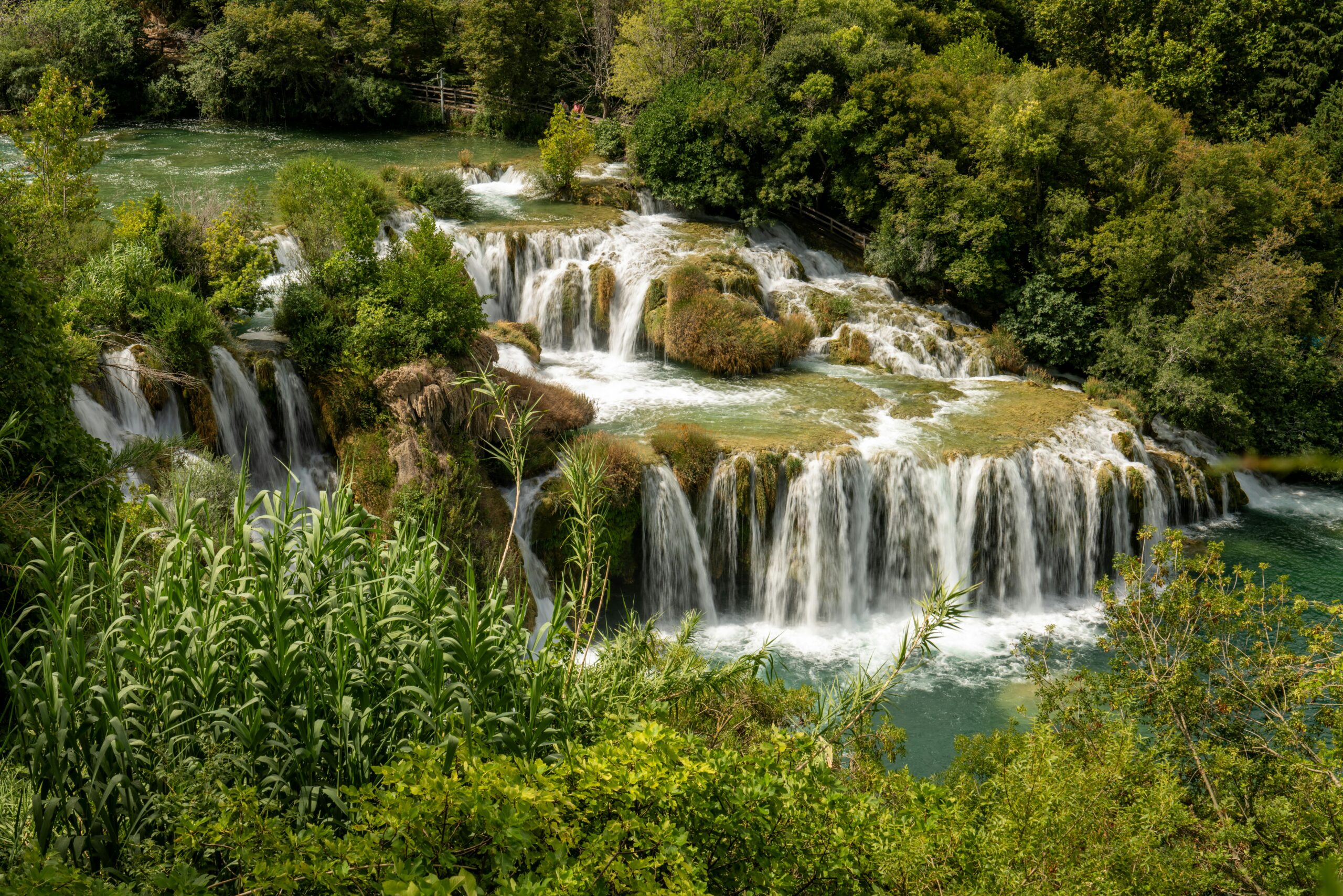
May 20th, 2026 – As summer rapidly approaches, Croatia's national parks are feeling the strain of an increasing number of tourists. Plitvice Lakes National Park and Krka National Park, among others, are now global tourism brands that attract millions of visitors annually. These sites, celebrated for their stunning waterfalls, lakes, and forests, have become central to Croatia's tourism identity.
The influx of visitors brings significant economic benefits but also puts substantial pressure on the parks' infrastructure and the environment. During peak summer months, daily visitor numbers can be overwhelming, leading to crowded pathways, long queues, parking shortages, and transport congestion. These issues detract from the overall experience, as the heat and crowds limit visitors' ability to relax and enjoy the natural beauty.
Park authorities are implementing measures to manage the increasing visitor numbers and reduce the environmental impact. These include online reservations, timed entry systems, visitor caps, and controlled routes. The aim is to protect the environment, improve safety, and maintain the quality of the visitor experience.
This situation reflects a broader international trend where over-tourism threatens destinations that were once serene and idyllic. Climate change adds another layer of concern, with longer heatwaves and changing water conditions stressing ecosystems already under pressure from high tourist traffic. Balancing tourism revenue with long-term ecological sustainability is a significant challenge for Croatia's national parks.
Recognizing the need for a more sustainable approach, tourism architects in Croatia are promoting lesser-known parks and off-season travel to distribute visitor pressure more evenly. This shift not only helps preserve the parks but also enhances the overall visitor experience.



This is a critical moment for Croatia's iconic parks! The beauty of places like Plitvice should be enjoyed by all, but not at the expense of the environment. How can we balance tourism with conservation? It's time for innovative solutions!