


The Green Light for Glory
The verdict is in, and the engines are revving. The Croatia Ring project, slated for construction just north of Slunj, has officially secured the green light from the Ministry of Environment for its environmental impact assessment. This isn't just a permit; it's a passport to prestige. Croatia is now one step closer to hosting a circuit built to the absolute pinnacle standards of the Fédération Internationale de l'Automobile (FIA), a track capable of welcoming the thunderous roar of Formula 1.
Listed among the Republic of Croatia’s strategic investment projects, the site sits between the villages of Veljun and Blagaj, nestled near the Korana River. This is not a dream; it is a blueprint for destiny.
Specs That Shake the Ground
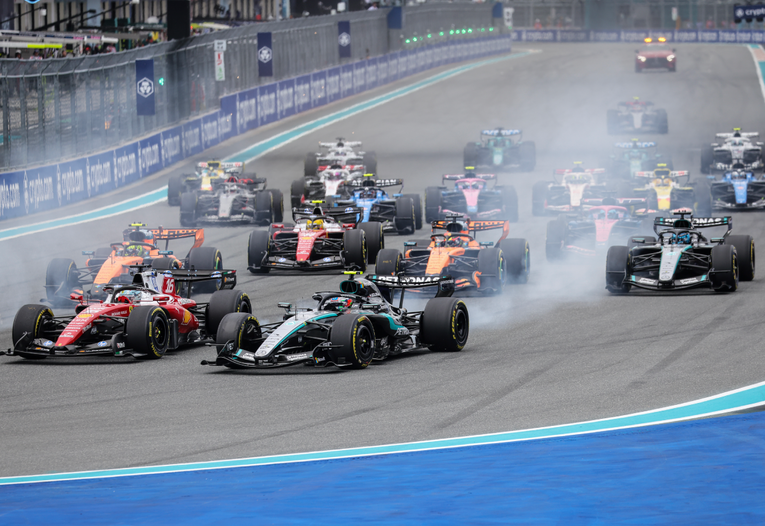
Davorin Štetner, project leader and partner, didn't mince words. "Finally, we have a solution, and I am very satisfied," he declared. "The procedure was complex, but we proved ourselves." Backed by investor Ante Bušić’s Automotodrom Plitvice, the vision is clear. The centerpiece? A 4.2-kilometer circuit with 12 hairpins and a vertical drop exceeding 34 meters. Designed to FIA Grade 1 specifications, this is the gold standard, the only category that allows for the world’s premier motorsport events.
But it won’t just be about speed. The track will feature multiple configurations for car and motorcycle racing, vehicle testing, safety schools, and commercial spectacles. It is a multifaceted arena built for adrenaline.
A Tourist Powerhouse in the Making
Spanning roughly 50 hectares, the complex is a beast. Forty hectares will host the autodrome, paddock, service buildings, and infrastructure. The remaining ten hectares are dedicated to tourism and hospitality. A boutique hotel, luxury apartments, trackside boxes, and restaurants will welcome approximately 520 guests daily. For major races, expected once or twice a year, the venue can absorb nearly 18,000 spectators. Natural terraces will hold 15,000 fans, dwarfing even the Osijek stadium’s capacity of 13,000.
Construction unfolds over two years in three phases: track and VIP facilities first, then the hotel, and finally villas and additional amenities. More than 1.18 million cubic meters of earth will be moved, with limited blasting for rocky terrain. Yet, over 60 percent of the land will remain green. This is more than a track; it is the new heartbeat of continental Croatian tourism and motorsport.

honestly didn't think croatia would actually pull this off tbh. 18k capacity is massive for the region. wonder if they really get f1 or just gt racing rn...