


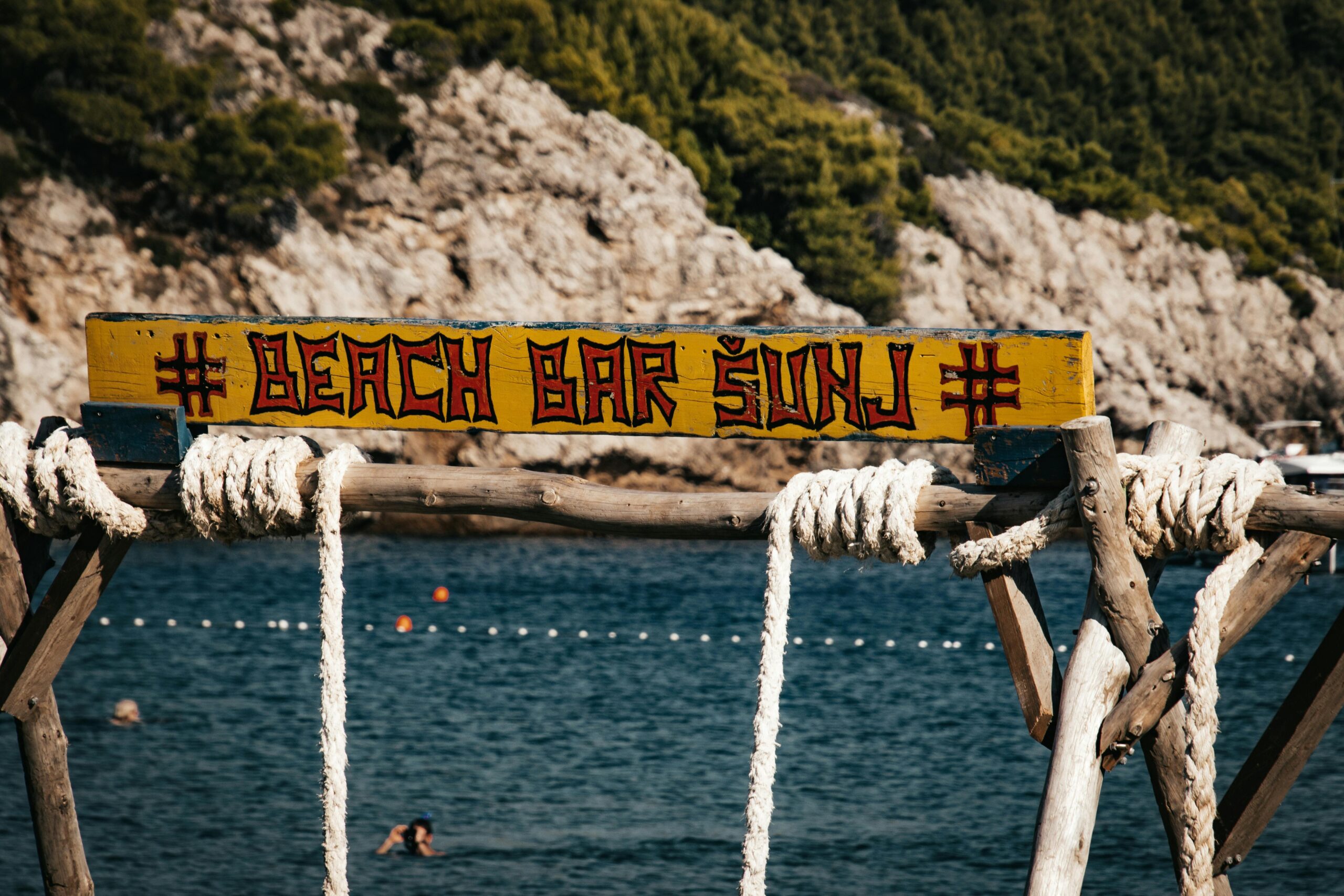
May 20, 2026 – Croatia is set to seriously crack down on its (in)famous beach bar chaos, which has given locations like the island of Hvar a bad reputation. The era of very loose regulations appears to be coming to an end. Over the past decade, beach bars have exploded in popularity along the Croatian coastline and on the islands. From Istria to Dalmatia, temporary summer venues multiplied rapidly as tourism demand surged, especially among younger international visitors looking for nightlife close to the sea. Many destinations actively encouraged the trend because beach bars helped modernize Croatia’s tourism image and attract higher-spending visitors. For some coastal towns, beach nightlife became a major part of local tourism branding.
However, as the number of venues increased, so did local frustration and the amount of valid complaints. Issues involving excessive noise, overcrowding, illegal construction, environmental pressure, and late-night disturbances near residential areas became common. Poor, drunken behavior also increased. In some destinations, tensions between tourism businesses and local residents have become increasingly visible during the peak summer season. Residents in several coastal communities argue that parts of the Adriatic are gradually losing quality of life during the summer months due to uncontrolled nightlife expansion.
In response, inspections and enforcement activity are becoming more frequent. Croatian authorities are reportedly focusing more heavily on operating permits, terrace expansions, coastal construction rules, and noise regulations ahead of the “2026 season. Some municipalities are also discussing stricter rules for operating hours and temporary structures near protected coastal zones. The broader goal appears to be creating more control over tourism growth that, in some areas, expanded faster than regulation could keep pace with.
One particularly controversial issue involves temporary or semi-permanent structures built close to the shoreline. Croatian media regularly report disputes over beach bars operating in legally unclear conditions or expanding beyond approved limits during summer. Because Croatia’s coastline is both environmentally protected and economically valuable, even relatively small developments can quickly become politically sensitive. This is especially true in highly desirable Adriatic locations where tourism pressure remains intense.
The beach bar debate reflects a wider national issue regarding maintaining tourism growth without overwhelming local communities. Croatia’s economy depends extremely heavily on summer tourism, but residents increasingly expect stronger protection of public space, environmental standards, and quality of life. That balancing act is becoming harder as coastal destinations grow more crowded and commercially valuable.
This crackdown doesn’t mean Croatia is moving away from nightlife tourism. Far from it. Beach clubs and summer entertainment remain major attractions, particularly for younger European visitors. However, Croatian tourism discussions increasingly focus on higher-quality, better-regulated, and more sustainable nightlife models rather than uncontrolled expansion. Authorities appear more interested in managing tourism intensity than eliminating it.

Comments