


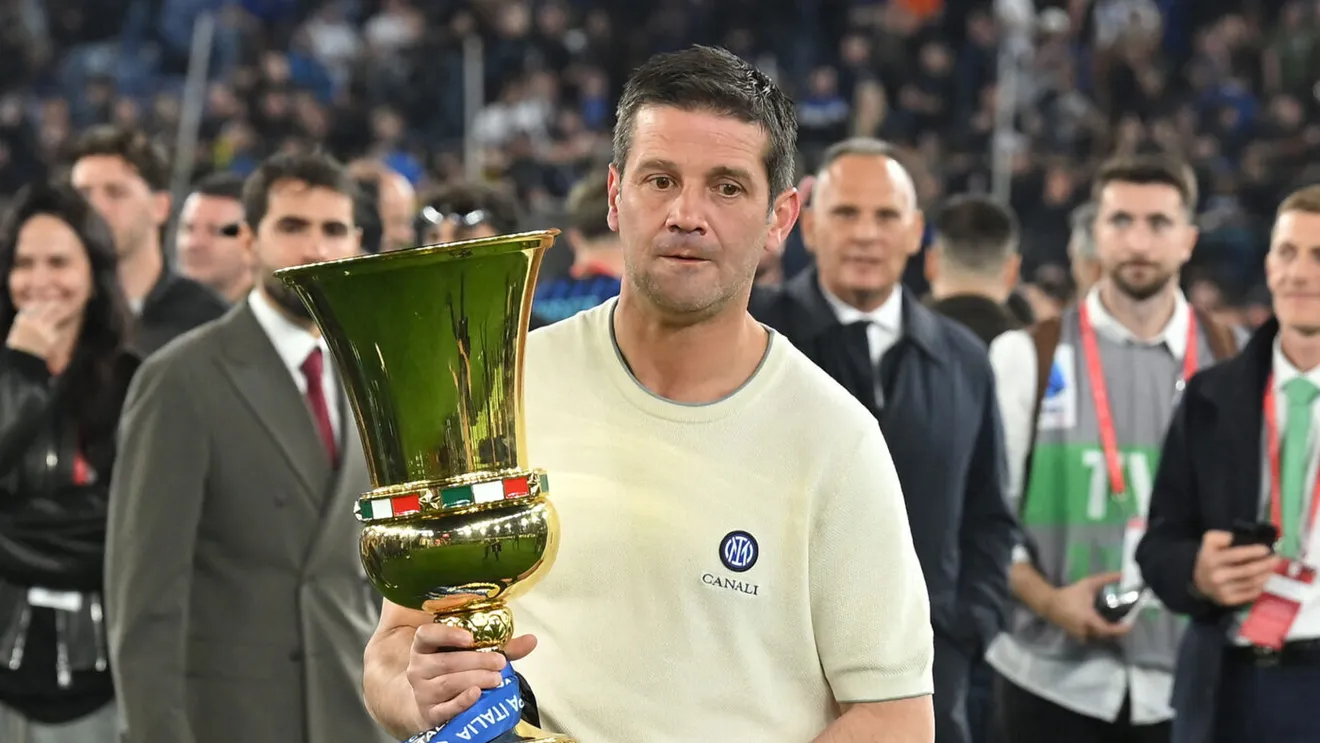
Cristi Chivu has drawn a firm line under a demanding managerial campaign at Inter Milan, announcing he will step away from football during the upcoming international break. The 45-year-old Romanian coach made the declaration immediately after his side’s 3-3 draw with Bologna in the final matchday of the 2025-2026 Serie A season. Rather than following the World Cup in the United States, Mexico, and Canada, which kicks off on June 11, Chivu plans to dedicate the next month entirely to his family.
A Season of Intensity and Rewards
The decision reflects the physical and mental toll of a relentless campaign. Chivu described the past year and three months as feeling like a centrifuge, shuttling between Parma and Inter without adequate downtime. The exhaustion is understandable given the demands of modern European football, where managers are expected to deliver consistently across multiple competitions. Inter’s efforts paid off, securing a domestic double with two major trophies after 38 league matches that produced 89 goals. The attacking output highlights a system built on fluid movement and tactical flexibility, traits that have consistently drawn attention from across the Mediterranean and Balkan scouting networks. Chivu emphasized that after fulfilling club obligations, including a trip to the Club World Cup last season, the coaching staff and players deserve a proper rest. He plans to disconnect from his phone and avoid football broadcasts entirely during the summer hiatus.
Summer Preparations and Squad Development
Despite the break, the club’s calendar remains packed. Inter will reconvene in early August for a preseason friendly against Manchester City in Hong Kong. The summer tour is expected to cover roughly 30,000 kilometers, testing the squad’s endurance once again. Chivu used the Bologna match to rotate his lineup, giving valuable minutes to Cocchi, Topalovic, Diouf, and Pio, who netted his tenth goal of the campaign. The manager praised the reserves for their professionalism and highlighted their importance to the club’s long-term project. On the transfer market, Chivu signaled a pragmatic approach, noting the team’s solid foundation and expressing a preference for reinforcing rather than dismantling the current roster. His tenure has already reshaped expectations for Italian football, proving that tactical discipline and man-management can thrive outside traditional coaching hubs. As Inter prepares for another grueling year, Chivu’s commitment to recovery may well set a precedent for sustainable leadership in modern football.
Comments