


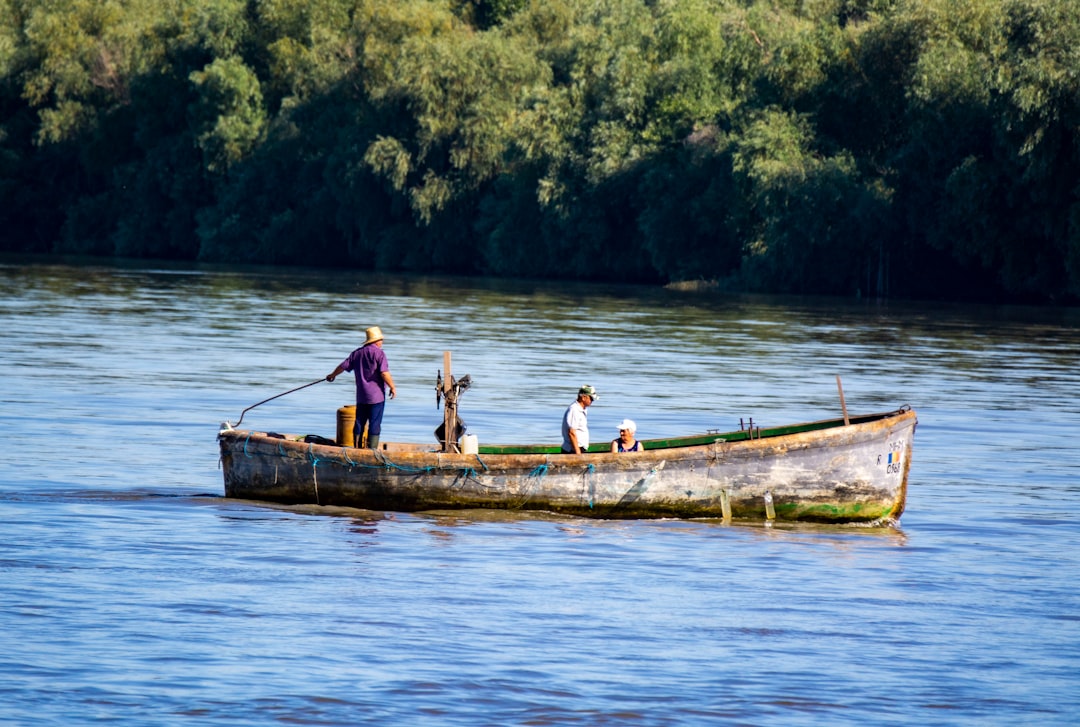
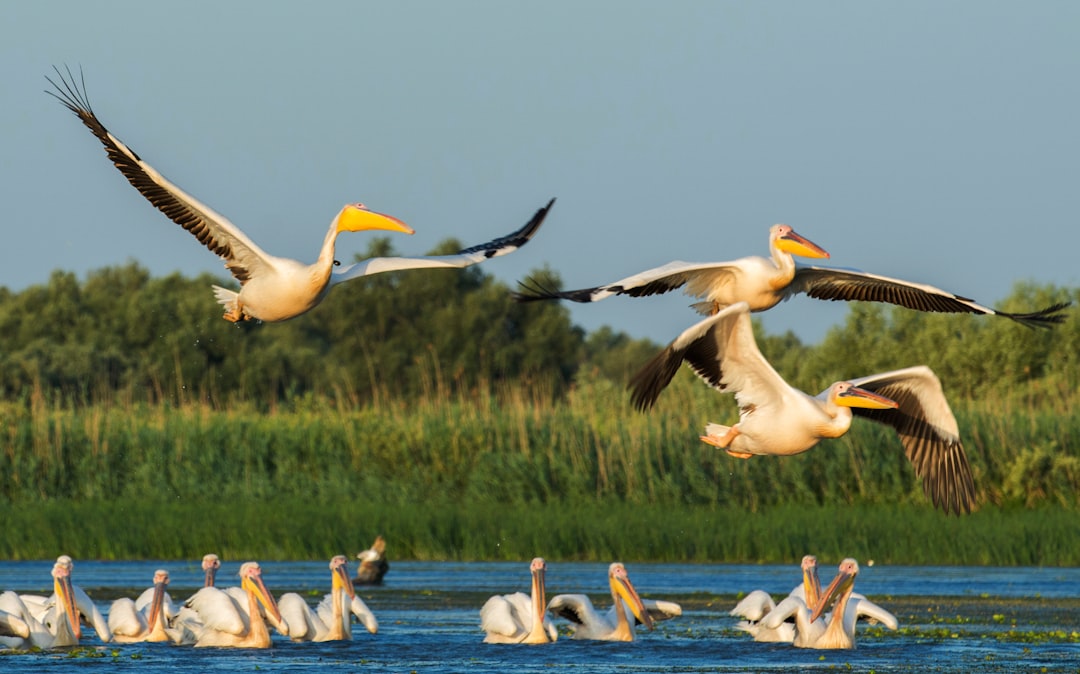
The mud on my boots was thick, grey, and smelled like a thousand years of decaying reeds. We were drifting through a channel so narrow the boat’s hull scraped the silt with a sound like grinding teeth. My guide, a taciturn local named Costel, killed the engine. "Listen," he whispered, though the only sound was the slap of water against fiberglass and the distant, rhythmic croak of a heron. Then, the air exploded. A flock of pelicans rose from the marsh like white missiles, their wings casting brief, jagged shadows over the water. I wasn't just watching nature; I was intruding on a wild, tangled empire that doesn't care about borders or tourism boards. This is the Danube Delta, a place where the map ends and the wild begins.
It’s not a relaxing cruise. It’s an expedition. The humidity here is a physical weight, pressing against your skin, mixed with the scent of diesel, fried fish, and wet earth. You come here expecting postcards, but you leave with salt on your lips, mosquitoes in your ears, and a profound respect for the labyrinthine waterways that have hidden smugglers, monks, and rare species for centuries. If you’re looking for five-star comfort, go to Bucharest. If you want to see the heart of Europe beating in the mud, you get on a small boat at Tulcea and disappear into the reeds.
The Labyrinth of Water and Reeds
The Danube Delta is Europe’s largest river delta, a UNESCO World Heritage site that sprawls across over 4,000 square kilometers. It’s not a single destination but a complex system of channels, lakes, and marshes where the Danube River gives up its fight against the Black Sea. The water here is a mix of fresh and brackish, creating a biological powerhouse that supports over 300 species of birds, 45 species of fish, and countless plant life.
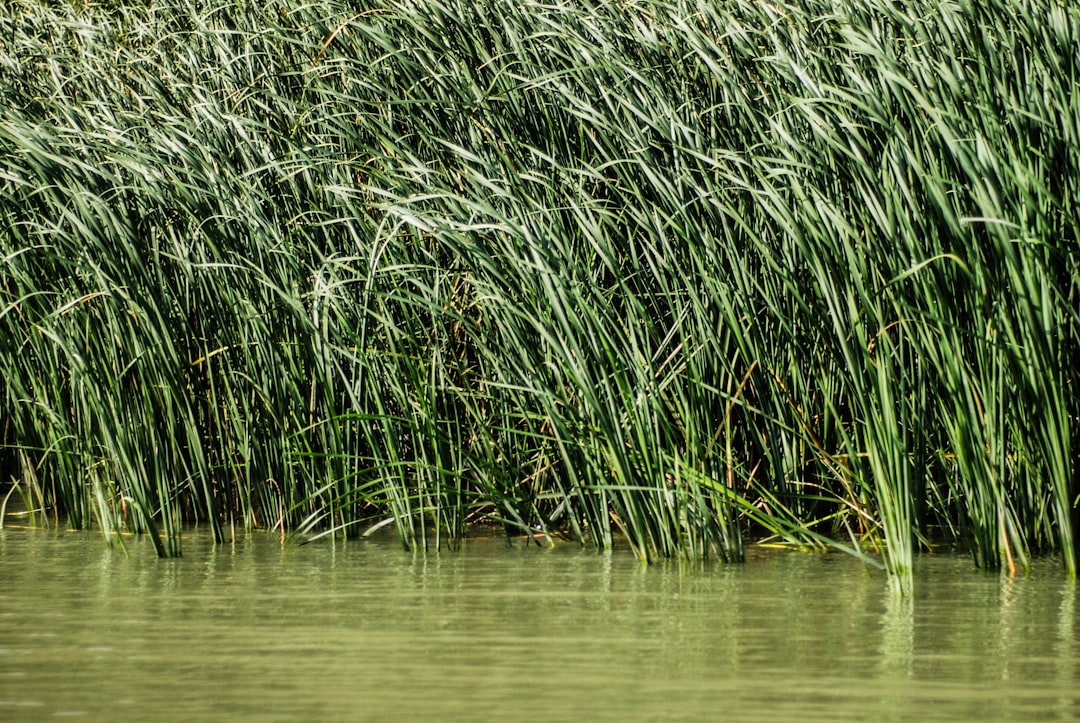
The landscape changes with every bend in the channel. One moment you’re in a wide, open lake where the horizon looks endless, the next you’re squeezed between towering walls of reeds that block out the sun. The vegetation is aggressive, reclaiming land and water alike. It’s a place of constant motion — the water shifts, the islands form and dissolve, and the wildlife moves with a cunning that belies their beauty. This is not a zoo; it’s a working ecosystem, and humans are just another species navigating its rules.
Wildlife: The Stars of the Show
Bird watching is the primary reason people come here, and for good reason. The delta is a migratory crossroads, hosting birds from across Europe, Asia, and Africa. The Dalmatian Pelican, Europe’s largest flying bird, is a common sight, often seen fishing in shallow waters with a grace that contradicts its size. White Pelicans are also abundant, their massive bills used to scoop up fish and water in a display of raw, unfiltered nature.
But it’s not just about the big birds. Herons, egrets, storks, and kingfishers dart through the reeds, their movements quick and precise. If you’re lucky, you might spot a Eurasian Spoonbill, its unique bill making it unmistakable against the green backdrop. Mammals are harder to see but equally present. Wild boars, foxes, and even wolves roam the islands, often spotted at dusk or dawn when the light is low and the animals feel safe. The delta is a place of quiet observation, where patience is rewarded with glimpses of creatures that have learned to live in harmony with the water.
The Floating Villages and Local Life
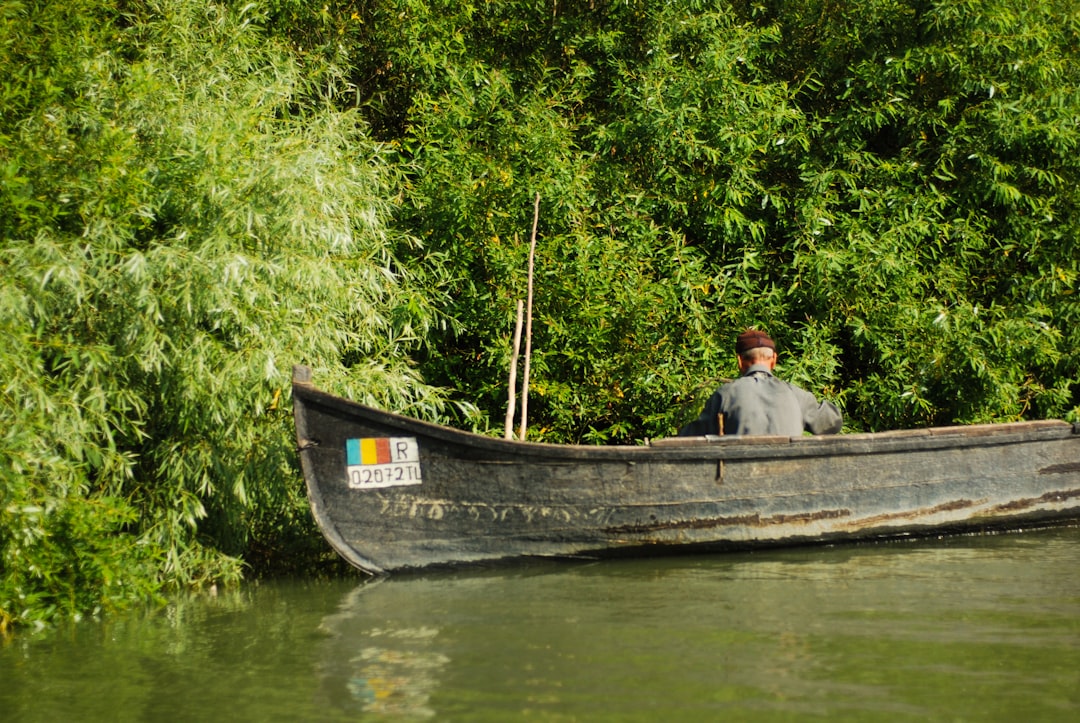
The delta isn’t empty. It’s home to a few thousand people, mostly fishermen and their families, who live in floating villages or small settlements on the islands. These communities are isolated, connected to the mainland only by boat. Life here is simple, dictated by the tides and the seasons. The houses are built on stilts or floating platforms, designed to rise with the water levels. It’s a lifestyle that has remained unchanged for generations, a testament to human resilience and adaptation.
Visiting these villages offers a glimpse into a different world. You might be invited to share a meal of fresh fish, caught that morning, or learn how to weave reed mats, a traditional craft that has been passed down through families. The locals are wary of outsiders but open to those who show respect for their way of life. They know the delta better than any guidebook, and their knowledge is invaluable for navigating its complexities.
Getting There & What to Expect
The gateway to the delta is Tulcea, a town on the Danube that serves as the main departure point for boat tours. From Bucharest, you can reach Tulcea by train or bus, a journey of about 6-7 hours. The train is slower but offers scenic views of the Romanian countryside, while the bus is faster but less comfortable. Once in Tulcea, you can book a boat tour through local agencies or hotels, with options ranging from half-day trips to multi-day expeditions.
Boat tours vary in price and style. A half-day tour costs around 50-80 EUR per person, including a guide and basic meals. Multi-day tours, which include accommodation in local guesthouses or floating lodges, can cost 150-300 EUR per person. These tours offer a more immersive experience, allowing you to spend nights in the delta and wake up to the sounds of the wildlife. Accommodation in Tulcea ranges from budget hostels at 15-25 EUR per night to mid-range hotels at 40-60 EUR. For those willing to rough it, camping is an option in some areas, but facilities are basic.
The best time to visit is between April and October, when the weather is warm and the wildlife is most active. Spring and autumn are particularly rewarding for bird watching, as migratory species pass through the delta. Summers can be hot and humid, with mosquitoes in abundance, so bring repellent and light, breathable clothing. The delta is not a place for luxury seekers, but for those willing to embrace the wild, it offers an unforgettable experience.
Search accommodation in Tulcea on Booking.com →
The Last Breath of the Wild
As the sun set, painting the sky in shades of orange and purple, we turned back toward the mainland. The delta receded behind us, the reeds silhouetted against the fading light. I felt a strange mix of exhaustion and exhilaration, like I had been let in on a secret that the rest of the world had forgotten. The delta is not just a place on a map; it’s a state of mind, a reminder that there are still wild places left in Europe, where nature reigns supreme and humans are just guests.
I left my muddy boots on the dock in Tulcea, but I couldn’t shake the feeling of the water, the smell of the reeds, or the sound of the pelicans. The delta had marked me, in the best possible way. It’s not a destination for everyone, but for those who seek the raw and the real, it’s a place that stays with you long after you’ve left. If you go, go with an open mind and a willingness to get dirty. The delta doesn’t care about your comfort, but it will give you something far more valuable: a connection to the wild heart of Europe.

Comments