


A New Era for Europe’s Biggest Stage
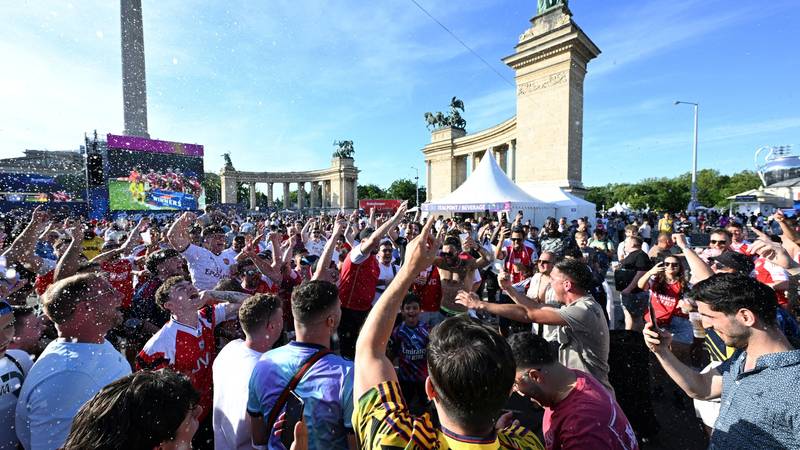
The clock has changed forever. For the first time in history, the UEFA Champions League final kicks off at 18:00. No more waiting until the late evening. Arsenal and PSG are set to clash at the magnificent Puskás Aréna in Budapest, battling for the ultimate prize in club football. This is not just a schedule tweak; it is a revolution in how the continent’s biggest night is experienced.
UEFA has made its intentions clear. They want to transform the final day into a family-friendly festival. By moving the kickoff earlier, they promise better public transport access for fans leaving the stadium and a safer, smoother journey home. For host cities, this shift extends the celebration window, boosting the local economy as fans stay longer and spend more. It is also a strategic broadcast move, aiming to capture a wider global audience across different time zones.
Logistics, Legacy, and the Croatian Reaction
The stakes have never been higher. Arsenal is hunting for their first-ever European crown. PSG is chasing a second consecutive title. The Puskás Aréna, a 67,215-seat colossus that cost 533 million euros to build, provides a fitting backdrop for this historic showdown.
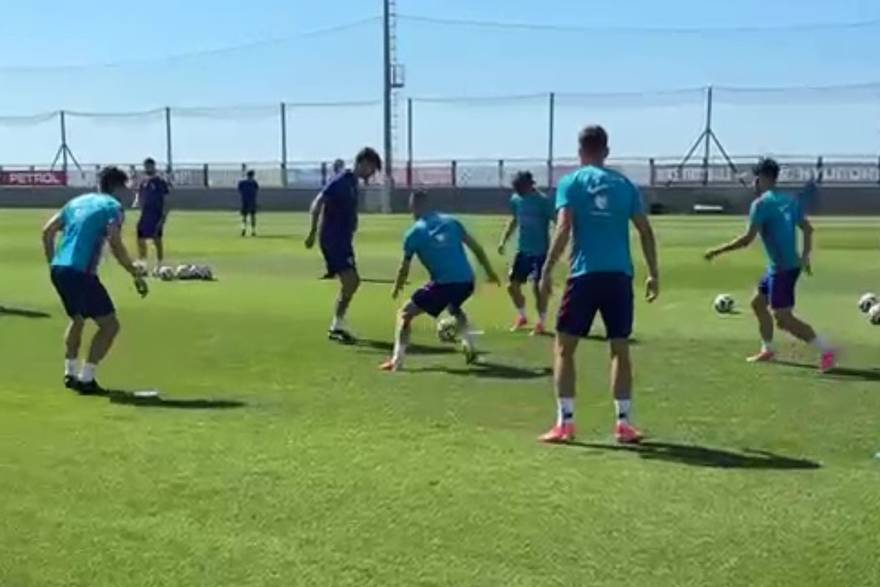
Even those not playing are feeling the shift. The Croatian national team, preparing for the World Cup on Rujevica, adjusted their routine. With no Croatian players in this year’s final, the squad moved their Saturday training to 10:00 instead of the usual 18:00. Why? To gather at their hotel on the Opatija Riviera and watch the match together. The entire team will tune in, commentate, and witness history, proving that the pull of the Champions League final is irresistible.
This is destiny on a Sunday afternoon. The sun will be shining, the crowds will be roaring, and the trophy will go to only one. Let the better team win.

fenerbahce were miles better this season tbh but honestly didn't see this time change coming lol. wonder if the croats are actually watching rn...