


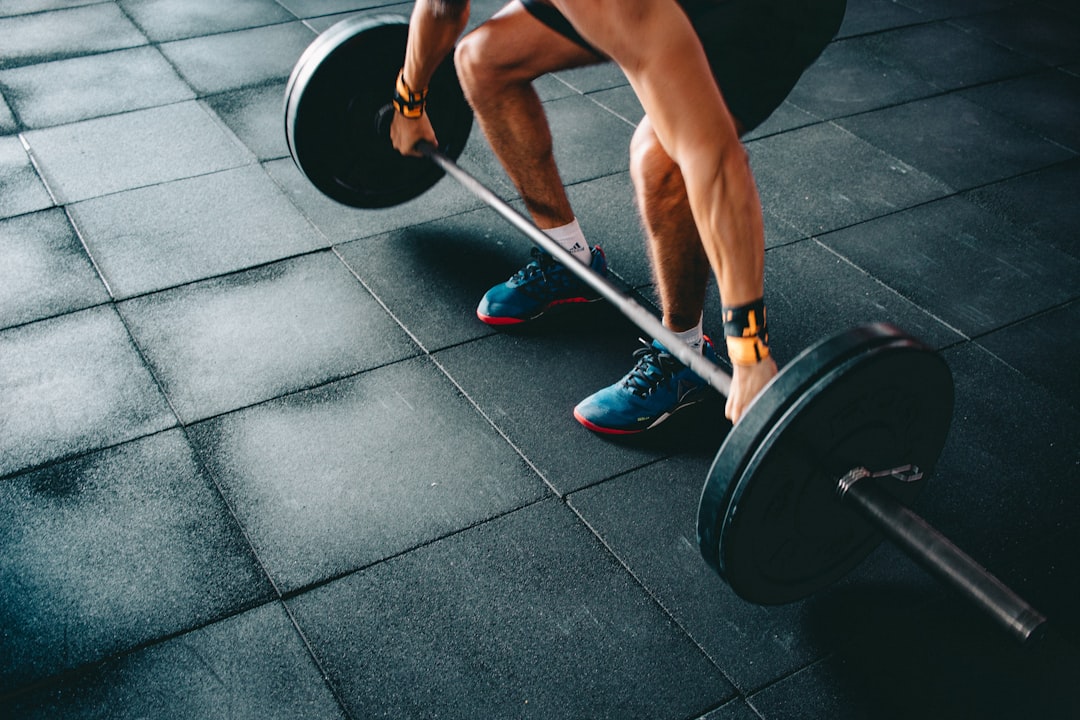
I’m sitting in a cramped gym in Sofia, the air thick with chalk dust and the metallic tang of old iron. The fluorescent lights buzz like angry hornets overhead. A coach with a face like cracked leather barks orders in a dialect that sounds like it was forged in a coal mine. On the platform, a teenager with shoulders like boulders grips a barbell loaded with plates that look like they were cast from tank armor. He grunts, lifts, and for a split second, time stops. This isn’t just exercise. This is religion. And in Bulgaria, weightlifting isn’t a sport — it’s a national obsession, a bloodline, a way of life.
I’ve traveled across the Balkans, from the beaches of Varna to the peaks of the Rila Mountains, but nowhere does physical exertion carry such mythic weight as here. Bulgaria has produced more Olympic weightlifting champions per capita than any other nation on Earth. Since 1964, they’ve won 13 Olympic gold medals in weightlifting. Thirteen. In a sport where one missed lift can end a career, that’s not luck. That’s a system. A brutal, brilliant, deeply rooted system that turns boys into titans and men into legends.
The Iron Dynasty: How Bulgaria Built a Weightlifting Machine
It started in the 1950s, when the Bulgarian state decided that weightlifting would be a tool of national prestige. The Soviet bloc loved a good show, and nothing says "socialist superiority" like a man lifting half his body weight overhead. The government poured resources into the sport, building specialized academies, identifying talent early, and turning coaches into generals. The CSKA Sofia sports club became the epicenter, a fortress of iron and ambition where young athletes were trained with military precision.
But it wasn’t just about state funding. It was about culture. In villages across Bulgaria, strongmen were local heroes. Farmers who could lift hay bales with one hand were respected. Children played with makeshift barbells made from pipes and concrete. Weightlifting wasn’t just a sport — it was a rite of passage. And when the first generation of Bulgarian lifters started dominating the world stage, the feedback loop began. More kids wanted to lift. More coaches emerged. More medals followed.
The peak came in the 1980s and 1990s, when Bulgaria wasn’t just competing — it was dictating the standards. Lifters like Yordan Mitkov and Stefan Topurov weren’t just athletes; they were cultural icons, their faces on posters, their names whispered in gymnasiums from Ruse to Pleven. The system worked so well that it became almost self-sustaining. Even after the fall of communism, when state funding dried up, the legacy endured. Private gyms sprang up. Ex-coaches opened academies. The hunger for gold didn’t fade — it just found new fuel.
The Champions: Names That Echo in Iron
Let’s talk names. Because in Bulgaria, these aren’t just athletes — they’re immortals. Yordan Mitkov, the "Iron Man of Bulgaria," won Olympic gold in 1976 and 1980, setting world records that stood for years. His snatch technique was so clean, so precise, that coaches still study it today. Then there’s Stefan Topurov, the 1980s powerhouse who dominated the middleweight divisions with a strength that seemed almost supernatural. He didn’t just lift weights — he crushed them.
And then came the modern era. Naim Süleymanoğlu, born in Bulgaria as Naim Serdar, is perhaps the most famous of them all. He won three Olympic gold medals (1988, 1992, 1996) and set a staggering 22 world records. His total lift at the 1988 Seoul Olympics — 482.5 kg in the 60 kg class — remains one of the most dominant performances in Olympic history. He later moved to Turkey and changed his name, but his Bulgarian roots are undeniable. He was the ultimate product of the Bulgarian system, even if he eventually left it.
More recently, Andrei Arnaoudov and Valentin Hristov have kept the flame alive. Arnaoudov, a multiple-time world champion, is known for his incredible consistency and technical mastery. Hristov, younger and hungrier, has been a rising star in the 109 kg division, proving that the Bulgarian machine still churns out talent. These aren’t just athletes. They’re proof of concept. Proof that the system still works.
The Venues: Where Legends Are Forged
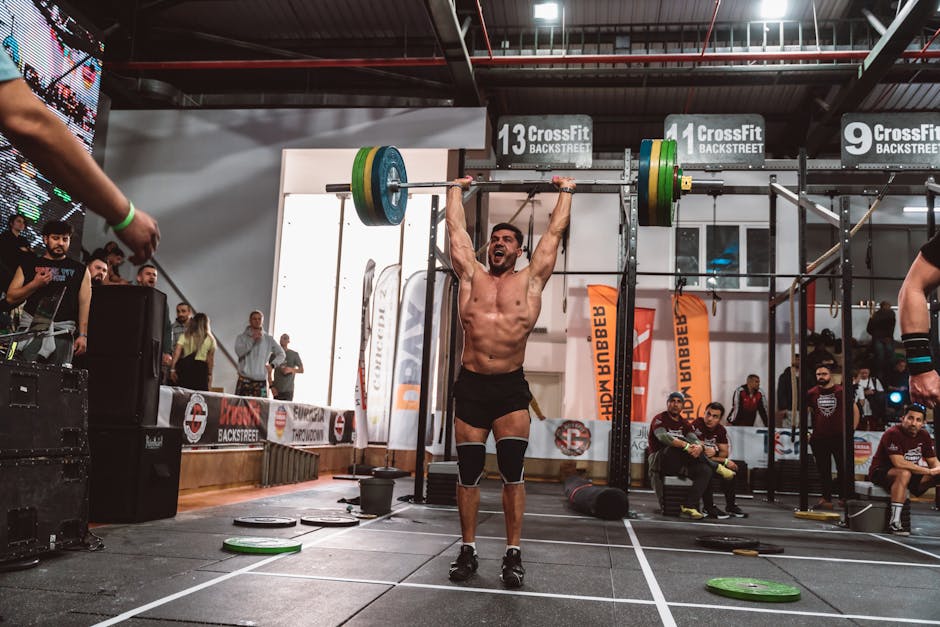
Where does this magic happen? Not in shiny, modern arenas. No, the heart of Bulgarian weightlifting beats in gritty, no-frills gyms where the air is thick with chalk and the mirrors are cracked from years of impact. The CSKA Sofia gym is the most famous, a temple of iron where generations of champions have trained. It’s not pretty. The floor is scarred. The walls are covered in faded photos of past glories. But step inside, and you can feel the weight of history. Literally. Every plate on the rack has been lifted by someone who dreamed of gold.
Then there’s the National Palace of Culture in Sofia, where major national competitions are held. It’s a massive, Brutalist structure that looks like it was designed to intimidate. And it does. When you walk in, you’re hit with the roar of the crowd, the clank of weights, the tension in the air. This is where the future champions are tested. Where the next generation steps onto the platform and tries to live up to the legends who came before.
In smaller towns, the venues are even more humble. A converted warehouse in Stara Zagora. A basement gym in Blagoevgrad. But the passion is the same. The iron is the same. The dream is the same. In Bulgaria, you don’t need a fancy facility to lift heavy. You just need a barbell, some plates, and a coach who believes in you.
How to Follow: The Next Generation Rises
The sport is evolving. The old state-run system is gone, but the spirit remains. Today, Bulgarian weightlifters compete on the world stage through a mix of private academies, national federations, and international sponsorships. The Bulgarian Weightlifting Federation organizes national championships, youth camps, and international exchanges. If you want to follow the action, start with the European Weightlifting Championships and the World Weightlifting Championships. These are the proving grounds, where the next generation of Bulgarian lifters test themselves against the best in the world.
Tickets to major events in Bulgaria are surprisingly affordable. A seat at the National Palace of Culture for a national championship might cost 10-20 EUR. International events in Sofia or Varna can be found for 15-30 EUR, depending on the venue and the level of competition. Streaming options are limited, but major championships are often broadcast on Bulgarian national television or available through international sports networks. Keep an eye on the Bulgarian Weightlifting Federation’s website for updates on schedules, results, and athlete profiles.
And if you really want to see the future, visit one of the smaller gyms. Talk to the coaches. Watch the kids. You’ll see the same fire that burned in Mitkov, Topurov, and Süleymanoğlu. You’ll see the next generation of champions, lifting heavy, dreaming big, and carrying the weight of a nation on their shoulders.
Bulgarian Weightlifting Federation
The Weight of Legacy
I leave the gym in Sofia as the sun sets over the city. The air is cool, the streets quiet. But in my head, I can still hear the clank of iron, the roar of the crowd, the grunt of effort. Bulgaria’s weightlifting legacy isn’t just about medals. It’s about identity. It’s about a nation that found a way to punch above its weight, literally and figuratively. In a world that often overlooks the Balkans, Bulgaria has shown that strength comes in many forms. And sometimes, it comes from a small country with a big appetite for iron.
The next time you see a Bulgarian weightlifter on the platform, remember this: they’re not just lifting weights. They’re lifting history. They’re lifting legacy. And they’re lifting the world, one plate at a time.
Comments