


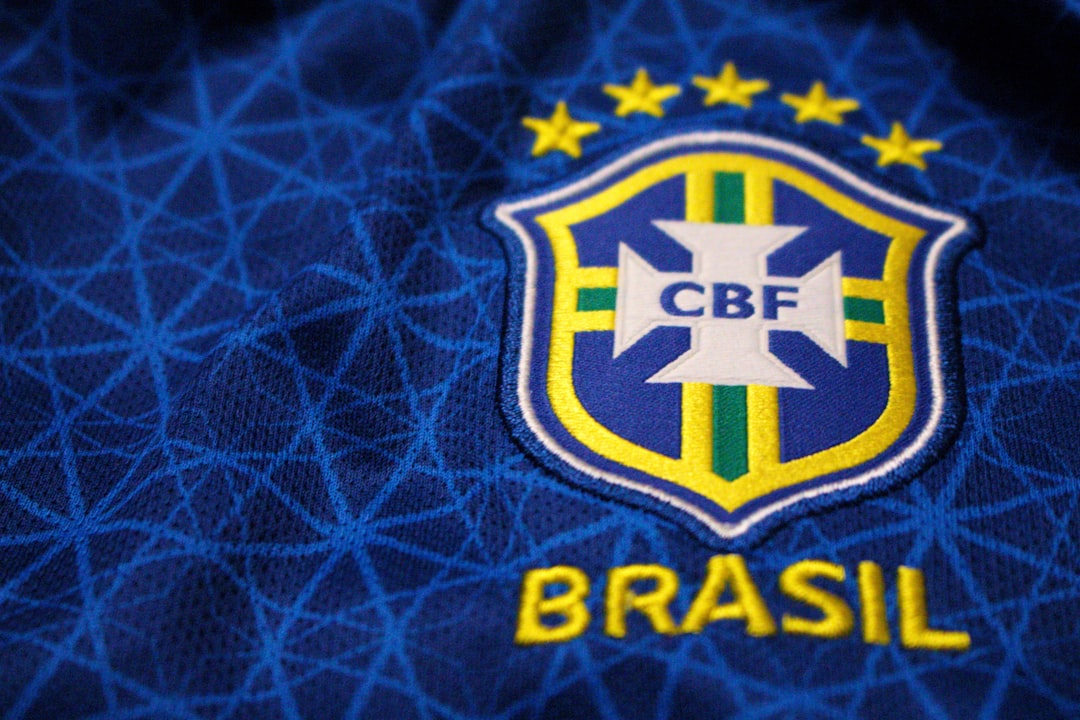
The mention of "Brazil FC" immediately conjures images of the Seleção, the national team that has defined football excellence for decades. As the only nation to have appeared in every FIFA World Cup finals tournament, Brazil holds a unique place in sporting history. Their recent performance in the 2022 FIFA World Cup in Qatar, where they were eliminated by Croatia in the quarter-finals, sparked intense debate about the future of their attacking talent. For Balkan audiences, who share a deep passion for football, the Brazilian style of play—characterized by flair, technical skill, and individual brilliance—has always held a special fascination. This article explores the enduring legacy of Brazilian football, its impact on global culture, and the significant connections between Brazilian players and clubs across the Balkans.
The Golden Era and Global Influence
Brazil's football identity is rooted in the joga bonito, or "beautiful game," a philosophy that prioritizes creativity and skill over rigid tactical structures. Legends like Pelé, Garrincha, and Zico laid the foundation for a playing style that captivated the world. Pelé, often regarded as the greatest player of all time, led Brazil to World Cup victories in 1958, 1962, and 1970. His impact extended beyond the pitch, becoming a cultural icon who transcended sports. For fans in countries like Serbia, Croatia, and Romania, watching Brazilian football was an introduction to a different way of seeing the game—one where individual artistry was celebrated.
The influence of Brazilian football on global tactics cannot be overstated. The introduction of the samba rhythm into football strategy influenced coaches and players worldwide. In the Balkans, where football is a central part of social life, the admiration for Brazilian players is evident in the way local youth academies incorporate technical drills inspired by South American methods. Clubs like Red Star Belgrade and Dinamo Zagreb have historically looked to Brazil for talent, recognizing the region's ability to produce technically gifted players who can adapt to European football's physical demands.
Brazilian Stars in Balkan Football
Over the years, numerous Brazilian players have made significant contributions to football clubs across the Balkans. In Serbia, players like Nenad Milićević may not be Brazilian, but the influx of South American talent has been notable. More recently, Brazilian forwards and midfielders have joined clubs in Romania and Bulgaria, bringing a different dimension to these leagues. For instance, the Romanian Liga I has seen Brazilian players like Răzvan Lupeţescu's contemporaries, who have helped elevate the competition's profile. These players often serve as a bridge between the technical prowess of South American football and the tactical discipline of European leagues.
In Greece, Brazilian players have become a staple in the Super League, with many achieving success in clubs like Olympiacos and Panathinaikos. The presence of Brazilian talent in Greek football has helped maintain the league's competitiveness against stronger European rivals. Fans in Athens and Thessaloniki appreciate the skill and flair that these players bring, often viewing them as ambassadors of the Brazilian football tradition. This exchange of talent and culture strengthens the bond between Balkan and South American football communities, creating a shared appreciation for the sport.
Future Prospects and Balkan Connections
As Brazil looks to rebuild its national team following recent setbacks, the focus is on nurturing young talent that can carry forward the legacy of the past. Players like Vinícius Júnior and Neymar Jr. represent the current generation, but the search for the next Pelé continues. For Balkan clubs, this presents an opportunity to scout and sign emerging Brazilian talent before they reach the pinnacle of European football. The scouting networks between Brazil and the Balkans are well-established, with many agents and clubs maintaining strong ties.
The cultural exchange between Brazil and the Balkans extends beyond football. Music, dance, and cuisine from Brazil have found a welcoming audience in countries like Croatia and Montenegro, where summer festivals often feature Brazilian themes. This cultural affinity enhances the appreciation of Brazilian football, making it more than just a sport but a shared cultural experience. As the global football landscape evolves, the connection between Brazil and the Balkans remains a testament to the universal language of football.
Looking ahead, the next FIFA World Cup will be a critical test for Brazil's ability to reclaim its status as the world's best footballing nation. For Balkan fans, the journey of the Seleção will be watched with keen interest, not just for the potential of new stars, but for the continuation of a footballing tradition that has inspired generations. The story of "Brazil FC" is not just about a national team; it is about a global community united by the love of the beautiful game.
Comments