



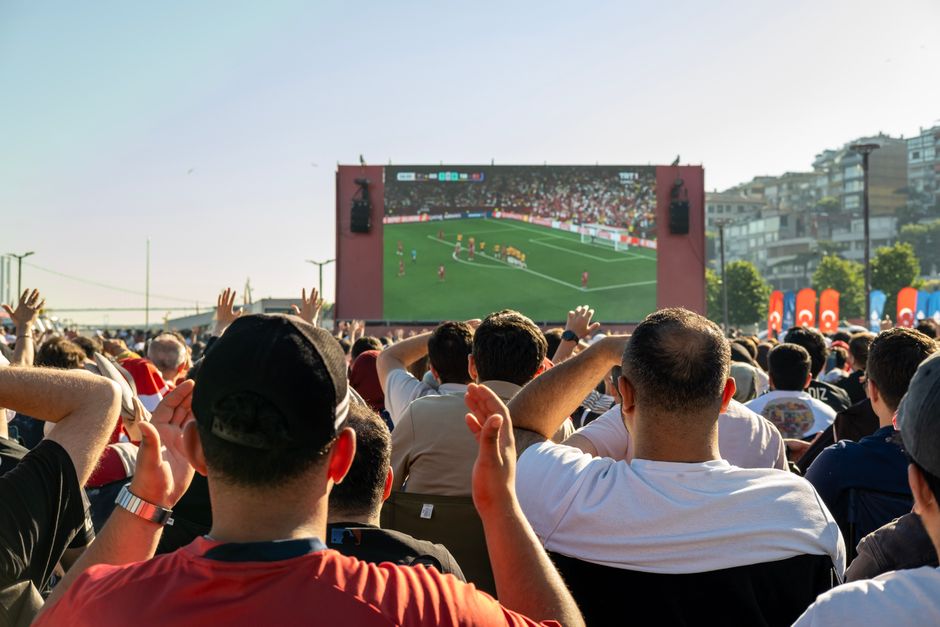
The first official broadcast of the FIFA World Cup 2026 qualifiers on Bulgarian National Television’s main channel, BNT 1, drew a massive audience, signaling a renewed national interest in international football. According to preliminary data released by the broadcaster, the match attracted approximately 764,000 viewers, marking a significant spike in viewership for the public service channel. This figure represents a substantial share of the Bulgarian television audience during the broadcast window, highlighting the enduring appeal of the national team’s campaigns. The broadcast featured the crucial qualifier match that determined the trajectory of Bulgaria’s hopes for the upcoming tournament in North America. For a country where football remains a central cultural pillar, such numbers are not just metrics; they are indicators of national engagement and emotional investment in the sport.
The success of this broadcast comes at a time when traditional television networks are competing fiercely with streaming platforms and digital content. BNT 1’s ability to pull in three-quarters of a million viewers for a single football match underscores the specific power of live sports events in maintaining linear TV relevance. Unlike pre-recorded dramas or news segments, live football creates a shared, real-time experience that compels audiences to tune in at specific times. This trend is particularly noticeable in the Balkans, where communal viewing habits remain strong. The high rating suggests that despite the fragmentation of media consumption, the national team’s performance on the international stage continues to unite viewers across different demographics and regions.
Context of the Broadcast and National Interest
The match in question was part of the rigorous qualification cycle for the 2026 World Cup, which will feature an expanded format with 48 teams. While this expansion increases the chances of smaller nations qualifying, the competitive intensity remains high. Bulgaria, historically a participant in major tournaments, faces stiff competition in its group. The broadcast on BNT 1 was not merely a sporting event but a focal point for national discourse. Social media activity surged during the game, with fans debating tactical decisions, player performances, and the overall direction of the national team. This digital engagement complemented the traditional viewership, creating a multi-platform conversation that extended beyond the television screen.
Bulgarian National Television has long held the rights to broadcast major national team matches, a responsibility that carries both prestige and pressure. The broadcaster’s ability to deliver a seamless, high-quality transmission is critical to maintaining viewer trust. The 764,000 viewership figure indicates that the broadcast succeeded in meeting audience expectations for production value and commentary. Furthermore, the timing of the match was strategically important, avoiding major conflicts with other prime-time programming. This scheduling decision likely contributed to the high ratings, as it allowed working professionals and families to tune in without significant inconvenience. The broadcaster’s role in facilitating this national moment cannot be overstated.

Significance for Bulgarian Football and Media Landscape
The viewership numbers have broader implications for the Bulgarian Football Union and the commercial landscape of sports media in the region. High ratings translate into increased advertising revenue, which can be reinvested into domestic football development. For BNT, this success reinforces its position as a key player in the sports broadcasting market. It also serves as a reminder to private broadcasters and streaming services that live football remains a premium product. The competition for broadcasting rights is likely to intensify as the 2026 World Cup approaches, with stakeholders vying for access to these lucrative assets. The financial health of Bulgarian football is partially dependent on such media deals, making every broadcast a potential economic catalyst.
Moreover, the surge in interest highlights the emotional connection Bulgarian fans have with their national team. Despite periods of on-field struggle, the support remains steadfast. This loyalty is a unique characteristic of Balkan football culture, where national identity is often intertwined with sporting success. The broadcast served as a catalyst for this expression of patriotism and community. Analysts note that such high engagement levels are rare for non-top-tier European nations, suggesting that Bulgaria’s football narrative retains a special place in the public consciousness. This emotional capital is a valuable resource for both the team and the media organizations that cover it.
Balkan Angle and Regional Comparison
In the wider Balkan context, Bulgaria’s viewership figures are comparable to those in neighboring countries like Serbia and Greece, where football also dominates the media landscape. However, the structure of broadcasting rights differs across the region. In some Balkan nations, private monopolies control sports broadcasting, whereas Bulgaria retains a strong public service presence through BNT. This difference allows for a more accessible viewing experience for the general population, as public broadcasters often prioritize national interest over pure profit maximization. The 764,000 viewership on BNT 1 demonstrates the effectiveness of this model in engaging a broad audience. It ensures that football remains a public good rather than a gated subscription service, fostering a more inclusive sports culture.
The regional comparison also reveals trends in digital migration. While linear TV still leads in live sports consumption, Balkan audiences are increasingly using second screens to enhance their viewing experience. Bulgarian fans followed the BNT 1 broadcast while simultaneously engaging with social media commentary, statistical apps, and fan forums. This hybrid consumption pattern is becoming the norm across the Balkans. Media companies are adapting by integrating digital elements into their traditional broadcasts, such as real-time stats overlays and interactive polls. The success of the BNT 1 broadcast suggests that the broadcaster has successfully navigated this transition, offering a product that appeals to both traditional and digital-native audiences.
Looking ahead, the focus will shift to the next set of qualifiers and the subsequent impact on Bulgaria’s standing in the group. The 764,000 viewership figure sets a high bar for future broadcasts, creating expectations for consistent performance both on the pitch and in the studio. Fans will be watching closely to see if this surge in interest translates into sustained support throughout the qualification campaign. For BNT, the challenge will be to maintain this momentum and continue delivering high-quality sports content that resonates with the national audience. The coming months will be critical in determining whether this viewership spike is a one-off event or the beginning of a renewed era of football engagement in Bulgaria.



Comments