


Belgrade: The Heartbeat of the Balkans
Belgrade, the vibrant capital of Serbia, is a city that pulses with energy both day and night. This editorial explores the city's ancient fortress, Kalemegdan, and the modern life that swirls around it, offering a unique blend of history and contemporary culture. Whether you're a history buff or a nightlife aficionado, Belgrade has a story to tell and a beat to follow.
When to Go
The best time to visit Belgrade is from April to October, when the weather is pleasant and the city's outdoor cafes and terraces come alive. The summer months are particularly lively, with numerous festivals and events throughout the city, such as the Belgrade Beer Fest and the EXIT Festival, a major electronic music event held in the fortress of Kalemegdan.
The Ancient Fortress: Kalemegdan
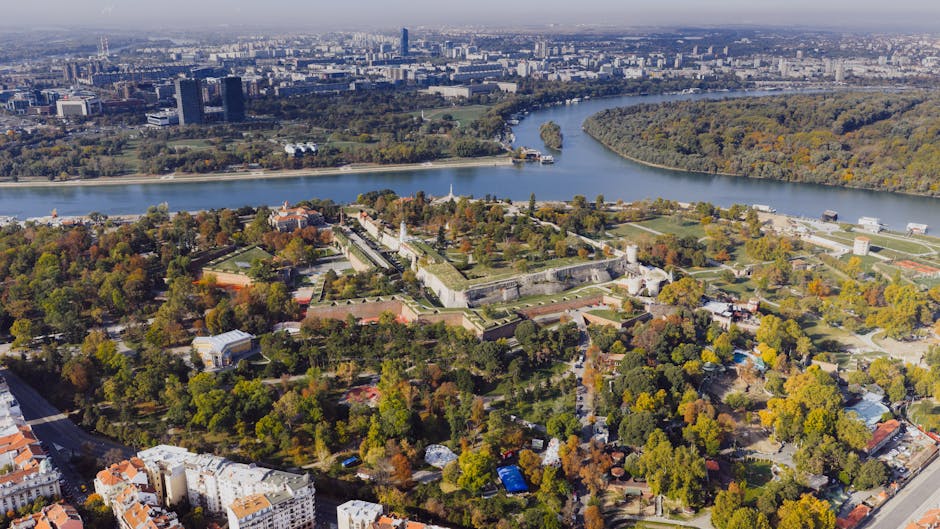
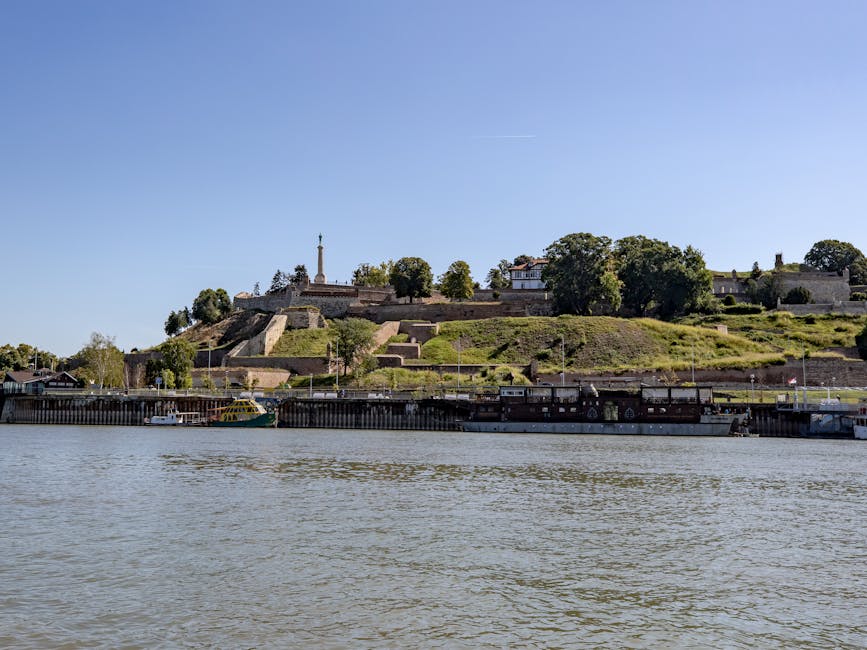
Kalemegdan Fortress, situated on the confluence of the Sava and Danube rivers, is the historical core of Belgrade. This ancient stronghold has been a witness to countless battles and sieges over the centuries, with its walls and towers having been built and rebuilt by various conquerors. Today, Kalemegdan is a bustling park and museum complex, offering panoramic views of the city and the rivers.
The Modern City: Nightlife and Culture
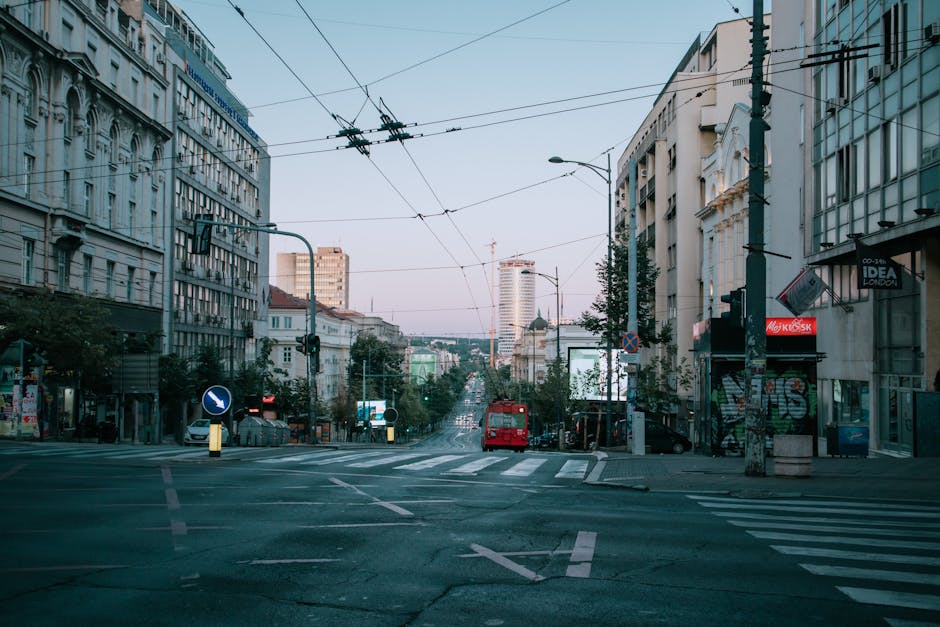
Belgrade is renowned for its vibrant nightlife. The city's bars and clubs stay open late into the morning, and the streets of the bohemian Skadarlija district are filled with the sounds of gypsy jazz and the clinking of beer mugs. The alternative culture scene is equally lively, with small venues hosting concerts and art exhibitions. For a taste of local cuisine, head to one of the many traditional Serbian restaurants, where you can enjoy dishes like cevapi and kajmak.
Getting There & What to Expect
Belgrade is easily accessible by air, train, or bus. The city's Nikola Tesla International Airport is served by multiple airlines, with frequent connections to major European cities. Once you arrive, you can explore the city by foot, bike, or public transport. The city's public transportation network includes buses, trams, and trolleybuses.
The difficulty level of exploring Belgrade is considered Beginner. The city is very walkable, and many of its attractions, including Kalemegdan Fortress, are easily accessible. Children can enjoy the park areas and the fortress, and they might particularly enjoy the mini-zoo and playgrounds within Kalemegdan.
The cost range for accommodation in Belgrade is quite affordable. Budget hotels and hostels cost around 15-30 EUR per night, while mid-range hotels can be found for 40-80 EUR per night. A typical meal at a local restaurant costs about 10-20 EUR, with street food and fast food options being much cheaper.
A Personal Take: The City That Never Sleeps
I stumbled upon a small bar hidden in the winding streets of Skadarlija, its door barely visible behind a curtain of flickering lights. The sound of a live band spilled out into the night, and the smell of tobacco and spiced rakia filled the air. I ordered a shot of the local firewater, and as I downed it in one swift motion, the warmth spread through my chest, igniting a flame of excitement. This is Belgrade: a city where the past and present collide, where the fortress stands as a silent guardian over a thriving, pulsating metropolis that never sleeps.
Comments