


The President of Angola, João Lourenço, has concluded a high-level state visit to Belgrade, marking a significant escalation in defense cooperation between the Balkan nation and the Southern African powerhouse. During his stay, the Angolan leader attended a specialized military demonstration at the Šumadija training ground, where Serbian armed forces showcased advanced weaponry and tactical capabilities. This event underscores Serbia’s growing role as a preferred defense partner for African nations seeking alternatives to traditional Western suppliers. The visit highlights a broader geopolitical shift, as Balkan countries navigate complex international alliances while forging new economic and security partnerships across the Global South.
The demonstration included the display of the Orkan-M multiple launch rocket system, the M-84AS4 main battle tank, and various unmanned aerial vehicles (UAVs). These platforms are known for their reliability and cost-effectiveness, attributes that have made Serbian military exports increasingly attractive to countries in Africa and the Middle East. The presence of the Angolan head of state signals a move beyond mere diplomatic courtesy toward concrete procurement interests. For Serbia, this engagement is vital for sustaining its domestic defense industry, which employs thousands and contributes significantly to the national economy. For Angola, diversifying its defense supply chain reduces dependency on former colonial powers and opens avenues for more favorable trade terms.
Strategic Context of the Military Demonstration
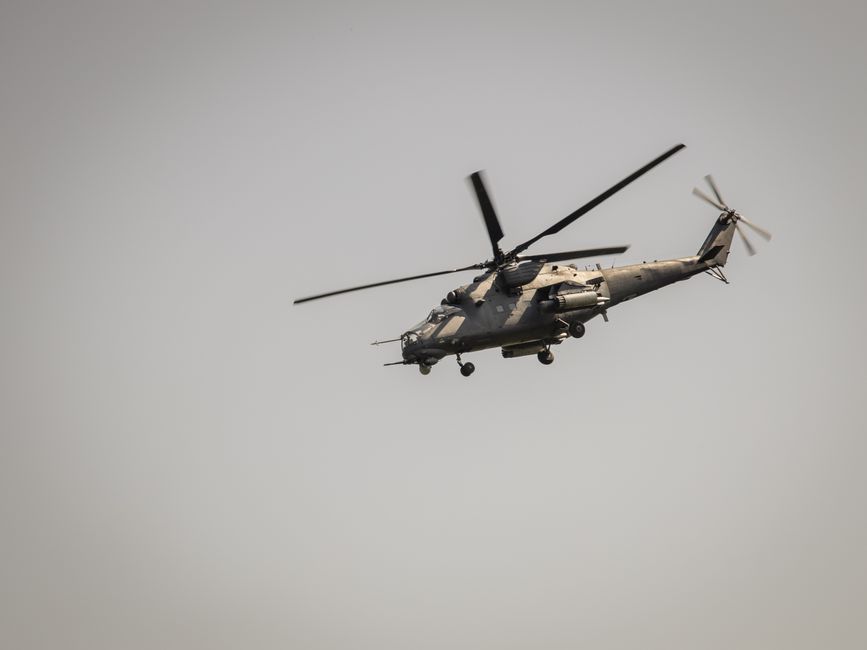
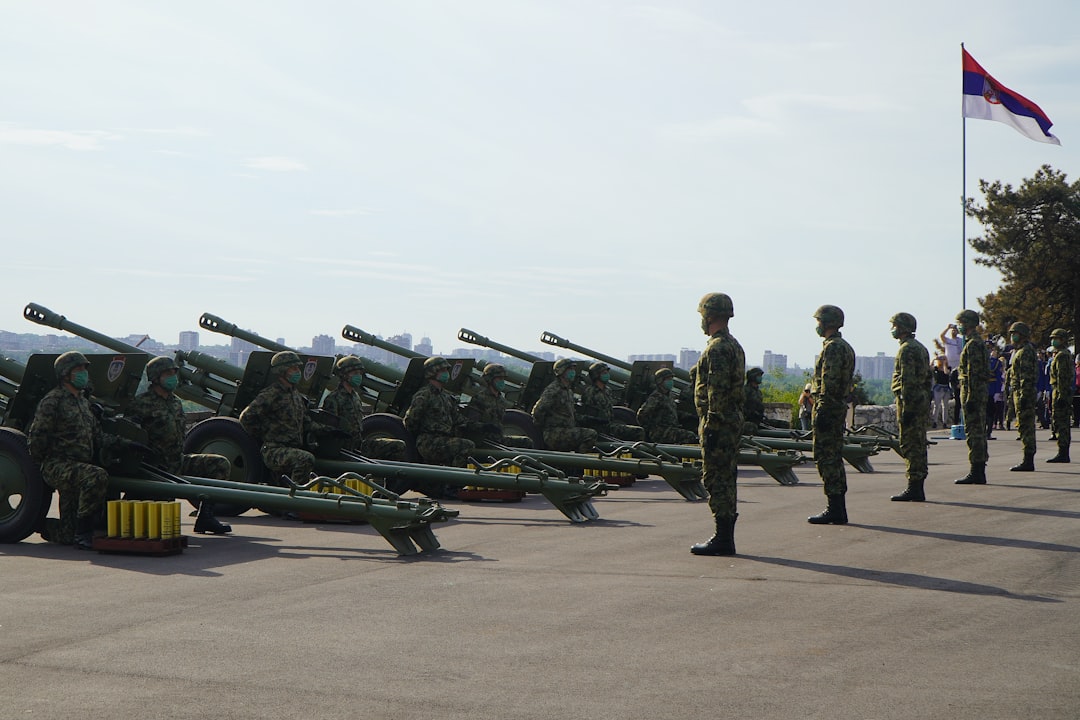
The military parade in Šumadija was not merely a spectacle but a calculated showcase of Serbian engineering prowess. The Orkan-M rocket system, capable of firing precision-guided munitions at ranges exceeding 300 kilometers, is one of the most sought-after assets in the global arms market. Its debut in such a high-profile bilateral setting suggests that negotiations for potential sales are in advanced stages. Additionally, the POLISON surveillance system and the Vladimir electronic warfare vehicle were highlighted, demonstrating Serbia’s capacity to provide integrated air defense and cyber-security solutions. These systems are critical for modernizing the Angolan military, which has faced persistent challenges with insurgent groups in remote provinces.
The choice of Šumadija as the venue is symbolic, representing the heartland of Serbian military tradition. The demonstration allowed President Lourenço to observe live-fire exercises and tactical maneuvers, providing tangible evidence of the equipment’s operational readiness. This hands-on approach is a hallmark of Serbian defense diplomacy, contrasting with the often paper-based presentations typical of larger Western arms fairs. By allowing foreign dignitaries to witness the capabilities firsthand, Belgrade builds trust and transparency. This strategy has proven effective in recent years, leading to increased export revenues and strengthening Serbia’s position as a neutral defense provider in a polarized world.
Balkan Angle: Serbia’s Geopolitical Balancing Act
For the Balkan region, this visit reinforces Serbia’s unique diplomatic posture. While many neighboring countries are integrating into Euro-Atlantic structures, Belgrade maintains a policy of multi-vector diplomacy. This allows Serbia to maintain strong ties with traditional partners like Russia and China, while simultaneously engaging with emerging powers in Africa, the Middle East, and Latin America. The Angolian visit aligns with Serbia’s broader strategy of positioning itself as a bridge between East and West, North and South. This approach not only diversifies its foreign policy options but also enhances its leverage in negotiations with the European Union, where Belgrade seeks accession while preserving its strategic autonomy.
The implications for the wider Balkans are significant. As Serbia strengthens its defense industry through exports, it creates a model that other regional actors might emulate. Countries like Croatia and Romania have their own defense sectors, but Serbia’s focus on affordable, mid-tier technology gives it a competitive edge in developing markets. This economic success can stabilize the region by providing jobs and reducing reliance on foreign aid. However, it also raises questions about long-term alignment. As Serbia deepens ties with non-Western powers, it may face increased pressure from Brussels and Washington to conform to Western sanctions regimes or diplomatic stances. The Angolan visit is a clear signal that Belgrade intends to pursue its interests independently, regardless of external pressure.
Future Implications and Regional Impact
The conclusion of President Lourenço’s visit sets the stage for potential signed agreements on arms sales and military training. If finalized, these deals would represent a milestone in Serbian-Angolan relations, potentially leading to joint exercises and technical exchanges. For Balkan audiences, this development highlights the increasing relevance of global south partnerships in shaping regional stability. It also underscores the importance of the defense sector in Serbia’s national security strategy, moving it from a state-funded burden to a revenue-generating asset. As geopolitical tensions rise globally, the ability to supply reliable military hardware becomes a key diplomatic tool.
Looking ahead, observers will watch for follow-up visits and specific contract announcements. The success of this engagement could pave the way for deeper economic cooperation in sectors such as infrastructure, energy, and agriculture. For the Balkans, Serbia’s evolving role as a defense exporter offers a template for economic resilience in an uncertain international landscape. The visit to Belgrade is more than a diplomatic formality; it is a strategic move that redefines Serbia’s place in the global order. As the region continues to navigate its path toward European integration, the strength of these external partnerships will play a defining role in determining the future trajectory of Balkan geopolitics. The world is watching to see how this new axis of cooperation develops and what it means for the balance of power in the region and beyond.


Comments