



In a remarkable discovery along the Adriatic coast, archaeologists have unearthed an exceptionally well-preserved artifact within the depths of the Crno Jezero cave. Located on the Pelješac peninsula, the find includes a terracotta head depicting a Greek theatrical mask, dating back more than two millennia. The object was recovered from a secluded, nearly untouched section of the cave, leading experts to believe it may reveal the existence of an ancient Illyrian sanctuary dedicated to rituals involving wine and votive offerings.
The excavation campaign took place between April 23 and May 4 this year, organized by the Archaeological Museum in Dubrovnik. Specialists estimate that the mask was crafted between the 4th and 3rd centuries BCE. One of its most distinctive features is its hollow structure with a small opening at the top, suggesting it was originally mounted on the cave wall as part of a ritual display.

Connections to the Cult of Dionysus
Researchers emphasize that such masks in the ancient world were closely associated with theater and the worship of Dionysus, the Greek god of wine, ecstasy, and drama. The discovery of numerous wine vessels in the same cave area further supports the hypothesis that this site hosted religious ceremonies and ritual gatherings.
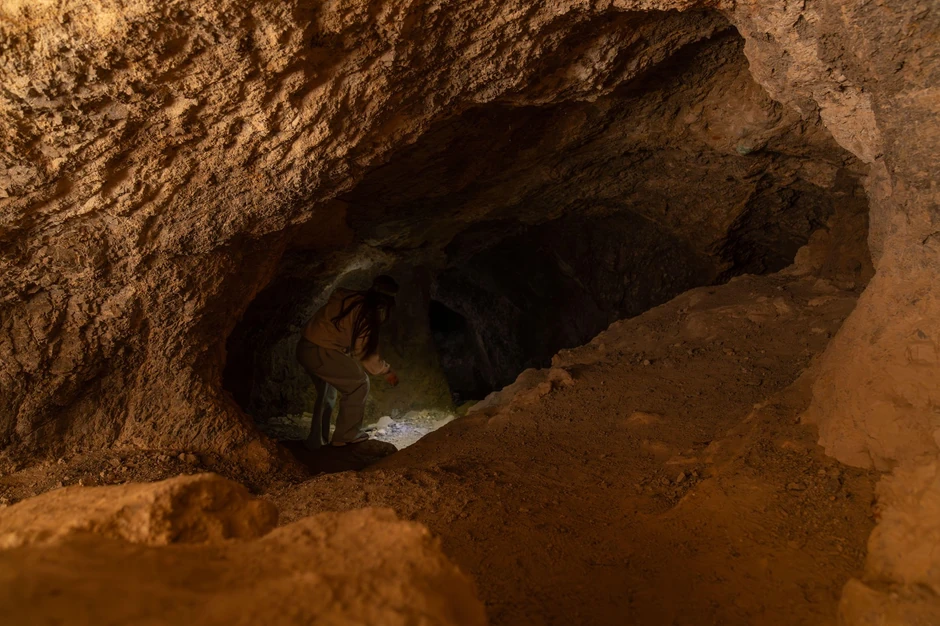
Archaeologist Krešimir Grbavac described the moment of discovery as thrilling, recalling how the mask's face gradually emerged as layers of earth were carefully removed in the dim light of the cave. The preservation of the artifact is attributed to the stable microclimate and the isolated nature of the chamber where it was found.

From Shelter to Sacred Site
Historical analysis reveals that the cave served multiple purposes over centuries. During the Bronze Age, around the second millennium BCE, it likely functioned as a refuge during conflicts or severe weather events. Later, from the late Bronze Age into the early Iron Age, the space was repurposed as a burial site.
Carbon dating of human remains indicates that between 1012 and 481 BCE, the cave operated as a necropolis for over five centuries. After this period of interment ceased, the site transformed into an Illyrian sanctuary, active from the late 4th to the mid-1st century BCE. Inside, archaeologists found miniature Greek-style vessels, including amphorae, bowls, and kylix cups, alongside luxury items used for storing and consuming wine.
Symbol of Illyrian Power
Experts note that these imported luxury goods were not part of daily Illyrian life but rather symbols of wealth and influence within the local community. They were likely used in religious ceremonies and left as offerings to deities. This discovery sheds new light on the complex spiritual practices and trade connections of ancient Illyrian societies on the Adriatic coast.



fenerbahce were miles better this season tbh