


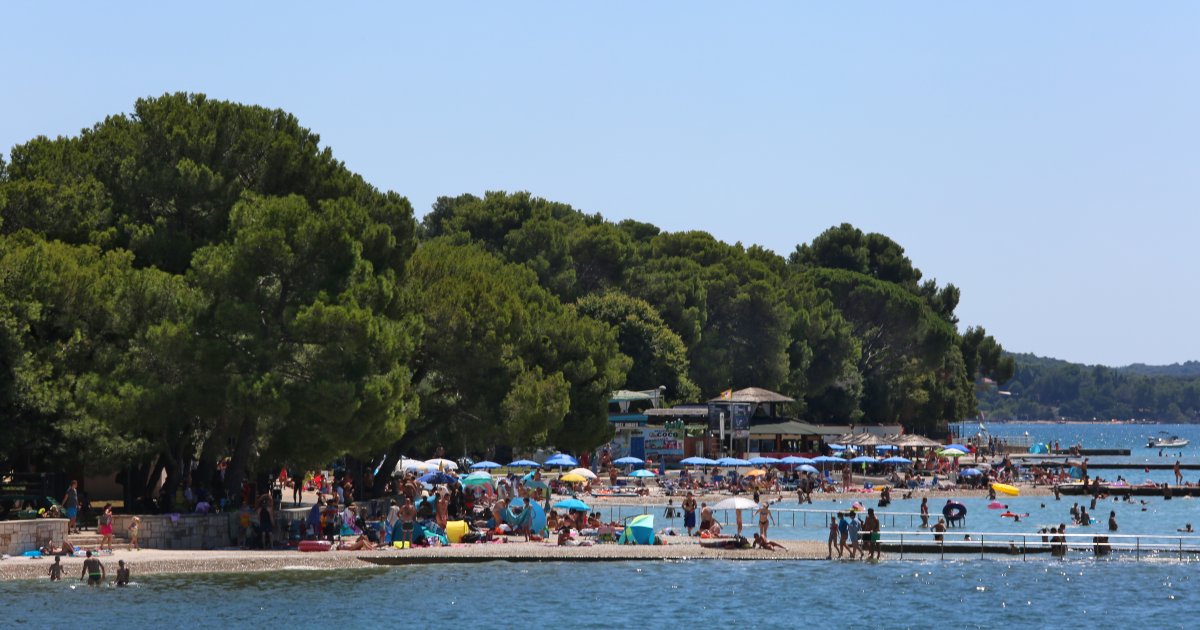
Croatia’s coastline has long been marketed as one of Europe’s cleanest marine destinations, but fresh environmental data suggests that reputation is fraying. The latest assessment from the European Environment Agency places Croatian waters fifth in the EU for bathing water quality, a notable drop from the third-place ranking held just two years ago. Analysts warn that an upcoming report could reveal a continued downward trajectory across the Adriatic Sea, raising concerns for a tourism sector that generates roughly twenty percent of national GDP.
Infrastructure Strains and Boating Pressures
Dr Slaven Jozić, a senior researcher at the Institute of Oceanography and Fisheries, explains that the agency’s methodology evaluates water conditions over four consecutive summer seasons. His analysis shows a steady contraction in the volume of excellent-quality bathing water since 2021, with projections pointing to a historic low by 2026. The degradation is not evenly distributed. Coastal stretches near Kaštela and Rijeka, particularly the Kantrida district, face persistent contamination. Much of the pollution infiltrates through groundwater, making precise source tracking difficult.
The core issue stems from municipal systems designed for a fraction of today’s visitor numbers. Sewage networks, wastewater treatment plants, and waste management facilities routinely buckle under peak-season demand. Nautical tourism has amplified the strain. Marina capacity, docking spots, and vessel registrations have surged, yet environmental safeguards and waste-reception infrastructure have not kept pace. Regulations require every boat equipped with a toilet to install a holding tank and empty it onshore, but compliance remains inconsistent. Experts suspect widespread non-adherence, with many vessels discharging waste directly into coastal waters.
Climate Pressures and Economic Stakes
Warmer sea temperatures compound the problem. Elevated heat accelerates bacterial survival rates and extends the window for waterborne infections, posing heightened risks for children, elderly visitors, and immunocompromised travelers. Thermal shifts also trigger frequent algae blooms that deplete oxygen levels and stress marine ecosystems. Extreme summer heat further overwhelms drainage networks, increasing the likelihood of untreated sewage overflows.
The economic implications are straightforward. Coastal tourism relies entirely on perceived safety and natural beauty. If water quality continues to deteriorate, the fallout will extend beyond ecological damage to direct financial losses for hotels, restaurants, and local municipalities. Current conditions do not yet warrant emergency measures, but ignoring the trajectory invites long-term damage. Regional authorities face mounting pressure to upgrade treatment facilities, enforce boating regulations, and integrate climate resilience into coastal planning before the next summer season arrives.



Comments