


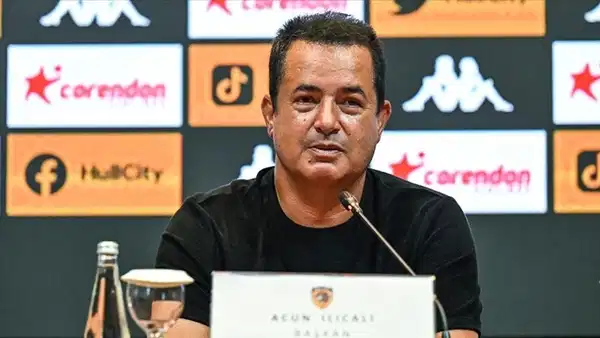
The English Championship playoff final delivered a dramatic conclusion as Hull City edged out Middlesbrough to secure a long-awaited return to the Premier League. The victory has naturally shifted attention to the club’s ownership structure and the Turkish investor behind its recent revival. Acun Ilıcalı, the prominent media entrepreneur, completed his acquisition of the Yorkshire side in early 2022, setting the stage for a period of targeted investment and sporting ambition.
The Acquisition Timeline and Financial Structure
Ilıcalı officially finalized the takeover on 19 January 2022, purchasing 100 percent of the club’s shares from Egyptian businessman Assem Allam. The transaction was structured to absorb the club’s existing financial liabilities, with British press reports valuing the total package at approximately £24 million, equivalent to roughly $30 million at the time. The deal was not a straightforward asset purchase; it included performance-based provisions designed to align incentives between the incoming owner and the departing stakeholders. Most notably, the contract stipulated additional bonus payments to the previous ownership group should the team achieve top-flight promotion.
That exact scenario unfolded in the recent playoff final. The promotion trigger activated the supplementary clauses, demonstrating how modern lower-league football transactions often blend upfront capital with contingent rewards. Ilıcalı has publicly described the purchase as one of his lifelong ambitions, emphasizing a desire to build a sustainable sporting project rather than a short-term financial venture. The Championship’s financial landscape, characterized by strict profitability rules and parachute payment dependencies, required a carefully calibrated entry strategy that balanced immediate squad needs with long-term fiscal compliance.
Strategic Vision and Cross-Border Ownership Trends
The Turkish investor’s entry into English football reflects a broader pattern of international capital flowing into the UK’s professional leagues. Backed by substantial media and entertainment revenues, Ilıcalı has focused on stabilizing the squad, upgrading training infrastructure at the MKM Stadium complex, and maintaining a competitive wage structure that complies with league regulations. The club’s promotion to the top division now places additional pressure on commercial operations, player retention, and sporting director decisions.
Fans in Hull have responded cautiously but optimistically, recognizing that Premier League status brings both heightened revenue streams and intensified scrutiny. The ownership model prioritizes long-term growth over immediate silverware, a philosophy that aligns with the financial realities of English football’s second tier. As the club prepares for its top-flight campaign, the initial investment framework and bonus-triggered agreements will likely serve as a blueprint for future squad building, youth development initiatives, and regional commercial partnerships across Europe.



Comments