


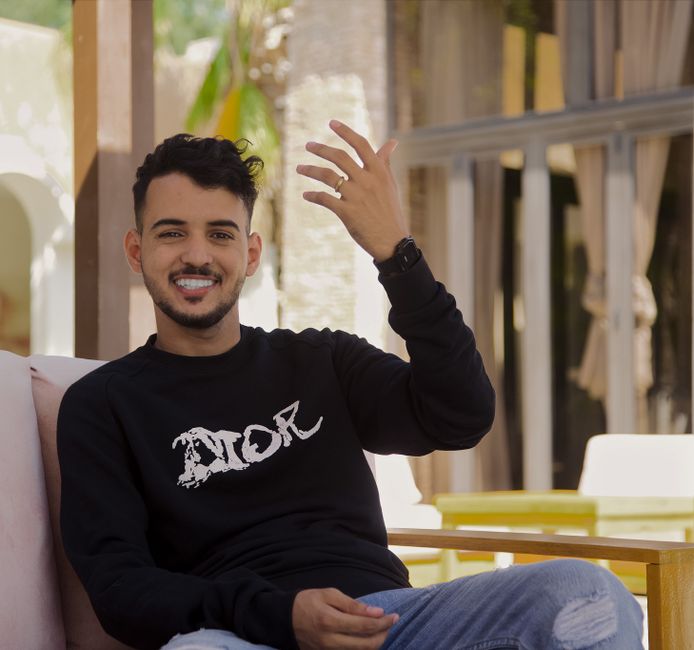
Achraf Hakimi, the dynamic right-back for Paris Saint-Germain and the Morocco national team, continues to dominate global football conversations as the sport looks toward the 2026 FIFA World Cup. The 26-year-old defender, who rose to prominence at Real Madrid before establishing himself as one of the world’s most reliable full-backs, represents a new generation of African talent reshaping international football. His recent performances for PSG and Morocco have sparked renewed interest in North African football’s growing influence on the European game. For Balkan audiences, Hakimi’s trajectory mirrors the broader trend of regional players leveraging European clubs to elevate their national teams’ profiles on the world stage.
The trending search interest in Hakimi stems not only from his club performances but also from his pivotal role in Morocco’s historic run to the 2022 FIFA World Cup semi-finals. That campaign marked the first time an African and Arab nation reached such a milestone, and Hakimi was instrumental in providing both defensive stability and attacking thrust. His ability to overlap, deliver precise crosses, and track back efficiently has made him a tactical asset for both club and country. As the 2026 World Cup approaches, with Morocco among the favorites in their qualifying group, Hakimi’s leadership and form remain central to discussions about Africa’s rising football power.
From Real Madrid to PSG: Hakimi’s European Ascent
Born in Madrid to Moroccan parents, Hakimi joined Real Madrid’s youth academy before breaking into the first team under Zinedine Zidane. His early promise was evident, but limited playing time led to a loan spell at Borussia Dortmund, where he flourished in the Bundesliga. His performances in Germany caught the attention of Inter Milan, who signed him permanently in 2020. At Inter, Hakimi won the Serie A title in 2021 and reached the Champions League final, showcasing his versatility and tactical intelligence. His move to PSG in 2021 was a statement of intent, aligning him with a club that prioritizes high-profile signings and global visibility.
At PSG, Hakimi has become a key figure in a squad that blends experience with youthful energy. His partnership with Lionel Messi (before the Argentine’s departure) and later Kylian Mbappé highlighted his ability to operate alongside elite attackers. Despite PSG’s struggles in the Champions League, Hakimi’s individual performances have been consistently praised by coaches and pundits alike. His speed, stamina, and technical proficiency make him one of the most complete full-backs in modern football. For Balkan fans, who follow European football closely, Hakimi’s career offers a blueprint for how players from non-traditional footballing nations can succeed at the highest level.
Impact on Moroccan Football and African Representation
Hakimi’s rise coincides with a broader resurgence in Moroccan football. The Royal Moroccan Football Federation has invested heavily in youth development and coaching standards, yielding results in both domestic and international competitions. The national team’s success in 2022 was not an isolated incident but the culmination of years of strategic planning. Hakimi, along with teammates like Hakim Ziyech and Youssef En-Nesyri, represents a new breed of African player who combines technical skill with physical robustness. Their performances have challenged longstanding stereotypes about African football and inspired a younger generation across the continent.
The significance of Hakimi’s influence extends beyond Morocco. His success has encouraged other North African nations, including Algeria and Tunisia, to prioritize development programs that emulate Morocco’s model. For Balkan countries, which have their own rich footballing traditions, Hakimi’s story underscores the importance of nurturing local talent while integrating them into competitive European environments. The parallels between Moroccan and Balkan football—both regions with passionate fan bases, strong youth academies, and a history of producing technically gifted players—make Hakimi’s journey particularly relevant to audiences in Greece, Serbia, Croatia, and beyond.
What to Watch Next: Hakimi and the Road to 2026
As the 2026 World Cup approaches, all eyes will be on Hakimi and his Moroccan teammates. The tournament, to be hosted by the United States, Canada, and Mexico, promises to be a showcase for African football’s growing strength. Morocco’s qualifying campaign has been robust, and Hakimi’s leadership will be critical in maintaining momentum. For PSG, his role remains central to their ambitions in both Ligue 1 and European competitions. Any injury or decline in form could impact the club’s chances, making his fitness and performance a key metric for fans and analysts alike.
Balkan audiences should pay attention to how Hakimi’s career intersects with broader trends in European football. His success highlights the increasing globalization of the sport and the opportunities available to players from diverse backgrounds. As the 2026 World Cup draws nearer, Hakimi’s journey will serve as a benchmark for what is possible when talent, hard work, and strategic planning align. For fans in the Balkans and beyond, his story is a testament to the power of football to transcend borders and inspire new generations.

Comments