


Commemorating a WWII Tragedy on the Drina
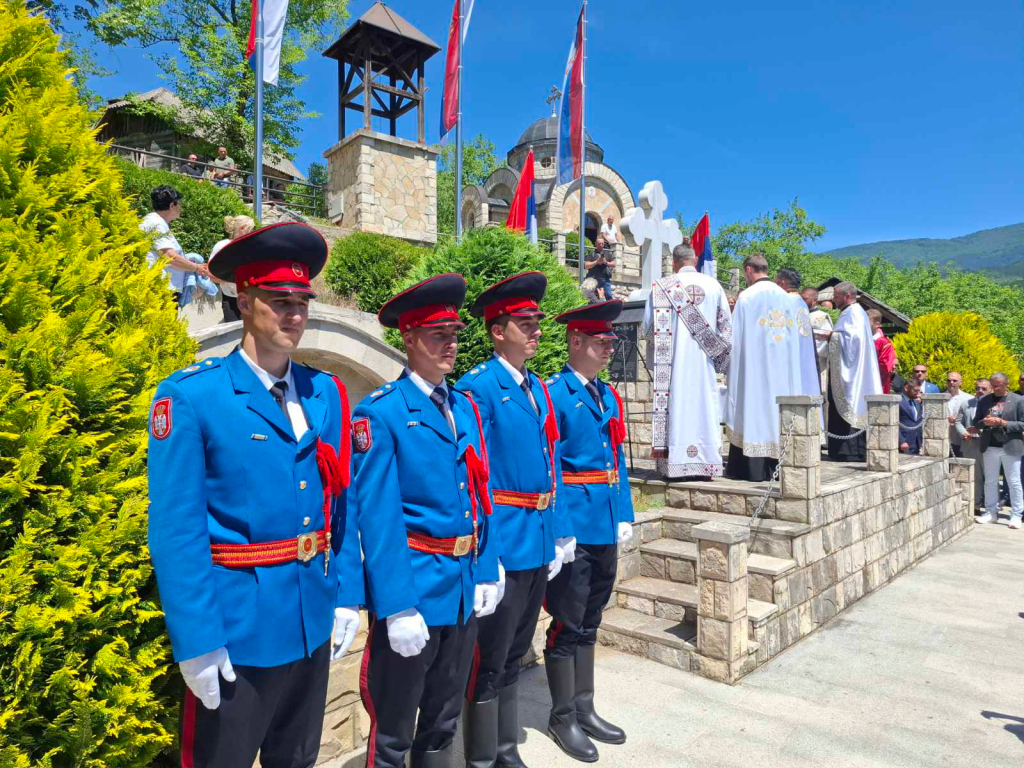
A solemn gathering took place in Stari Brod, a village near Višegrad, to mark the 84th anniversary of a devastating World War II massacre. More than 6,000 Serbs from the Sarajevo-Romanija region were killed here in 1942 by Ustasha forces while attempting to flee to safety. The site remains one of the most poignant reminders of the ethnic violence that ravaged the Balkans during the war.
The memorial service was led by His Eminence, Metropolitan Hrizostom of Dabrobosna, alongside clergy from the Serbian Orthodox Church. Following the religious ceremony, wreaths and red roses were cast into the Drina River, a symbolic gesture honoring those who drowned while trying to escape persecution. The river, which forms part of the border between Bosnia and Herzegovina and Serbia, witnessed the desperate attempts of civilians seeking refuge.
Calls for Canonization and Historical Truth
In his address, Metropolitan Hrizostom referred to the victims as "new martyrs of the Drina." He noted that while they have not yet been officially canonized, their sacrifice merits recognition as saints. "There will surely come a time when we will celebrate them in a different way," he stated. "Not to mourn, but to celebrate those who, through their sacrifice and martyrdom, have just deserved to be considered saints."
He emphasized that these individuals died at the hands of their enemies while fleeing toward freedom they never reached. The mayor of Višegrad, Mladen Đurević, echoed these sentiments, describing Stari Brod as a place of profound sorrow. He highlighted that among the victims were many women, children, and elderly people whose only "sin" was their ethnic identity.
"We are here not just to pay tribute to the innocent victims," Đurević said. "We are here to protect the truth." The event was attended by high-ranking officials, including Radan Ostojić, Minister of Labor and Veterans' and Disability Protection of the Republika Srpska, and representatives from the Serbian government and the Presidency of Bosnia and Herzegovina.
Historical Context and Memorialization
The massacre occurred during a Ustasha offensive in March 1942, with the most intense killings taking place on March 22. The violence continued until early May. Victims came from various municipalities, including Sarajevo, Sokolac, Olov, and Rogatica. Many drowned in the Drina as they tried to cross into Serbia. A memorial museum has since been established in Stari Brod to preserve the memory of this tragedy and educate future generations about the atrocities committed during the war.


heavy stuff from that era. 6000 lives lost just for being serb. drina river still remembers. sad how history repeats itself sometimes...