


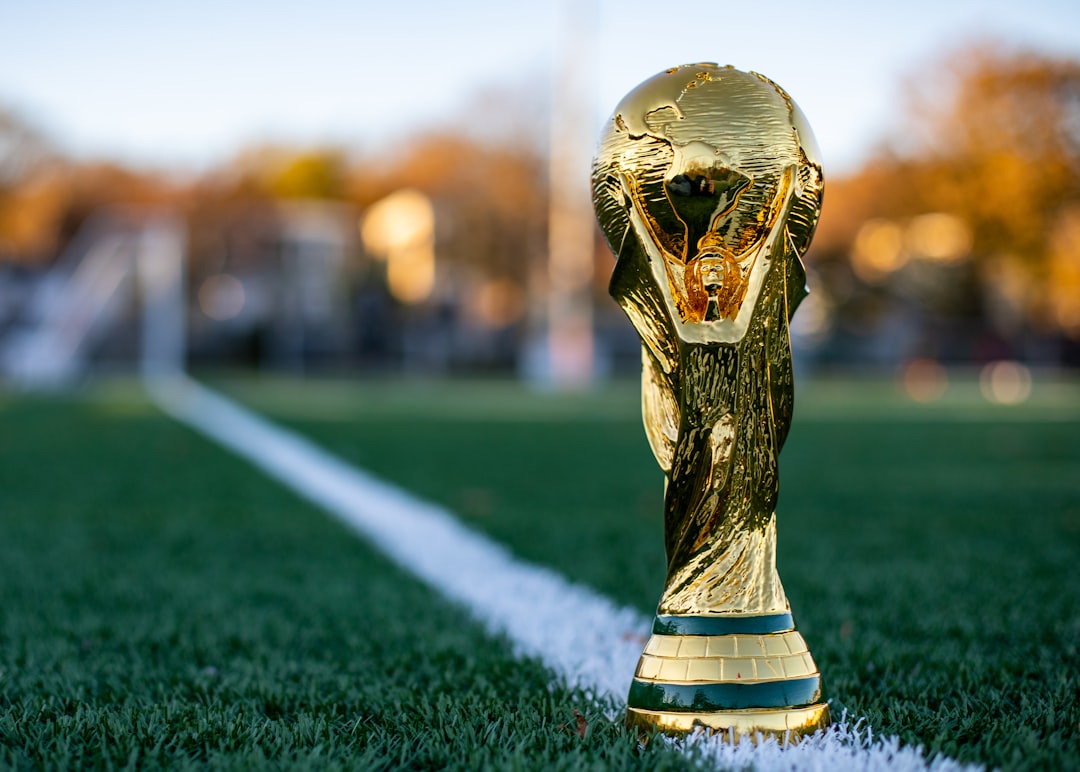
The search query "2030 dünya kupası nerede" (Where is the 2030 World Cup?) has surged globally, reflecting the intense anticipation surrounding the centennial edition of the FIFA World Cup. The tournament will be uniquely split across three continents, marking the first time the competition will be hosted by a joint bid involving **Spain, Portugal, and Morocco**. This historic arrangement celebrates the 100th anniversary of the first World Cup held in Uruguay in 1930. For Balkan audiences, particularly fans in **Turkey**, **Greece**, and **Serbia**, the proximity of the Iberian hosts and the North African venue offers significant travel opportunities and a chance to witness a landmark event in football history.
The decision to award the hosting rights to this tripartite bid was confirmed by the FIFA Council in June 2023. The tournament will primarily take place in Spain, with Portugal and Morocco acting as co-hosts. The opening matches will have a special symbolic weight, with three games scheduled to be played in **Uruguay, Argentina, and Paraguay** to honor the origins of the competition. This unique structure ensures that the 2030 World Cup is not just a sporting event but a global celebration of football's heritage. The logistical complexity of managing venues across three different countries and three continents presents a new challenge for FIFA, but also promises a diverse and culturally rich experience for fans.
The Iberian and North African Stages
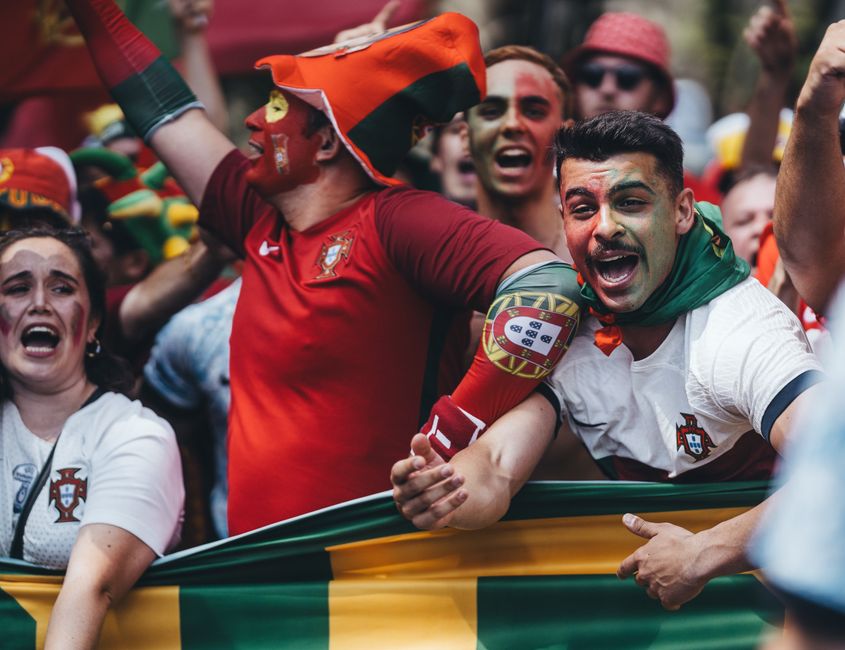
Spain, as the primary host, will utilize 10 stadiums across the country, including iconic venues like the **Santiago Bernabéu** in Madrid and the **Camp Nou** in Barcelona. These stadiums are undergoing or have recently completed massive renovations to meet FIFA's strict standards for the centennial tournament. Portugal will host matches in **Lisbon** and **Porto**, leveraging its well-established football infrastructure and passionate fan base. The inclusion of Morocco adds a distinct flavor to the tournament, with venues in **Rabat**, **Casablanca**, and **Tangier**. This marks the second time Africa will host the World Cup, following South Africa in 2010, and highlights the growing importance of the continent in global football.
The synergy between Spain, Portugal, and Morocco is rooted in their shared geography and cultural ties across the Strait of Gibraltar. The close proximity of these nations allows for efficient travel and coordination, which is critical for a tournament of this scale. Fans can easily move between hosts, creating a seamless experience that blends European and African football cultures. The Spanish cities offer world-class hospitality and infrastructure, while Moroccan cities provide a unique cultural backdrop and enthusiastic support. This combination aims to create a vibrant atmosphere that appeals to a global audience, encouraging tourism and economic activity in all three nations.
The Centennial Celebration in South America
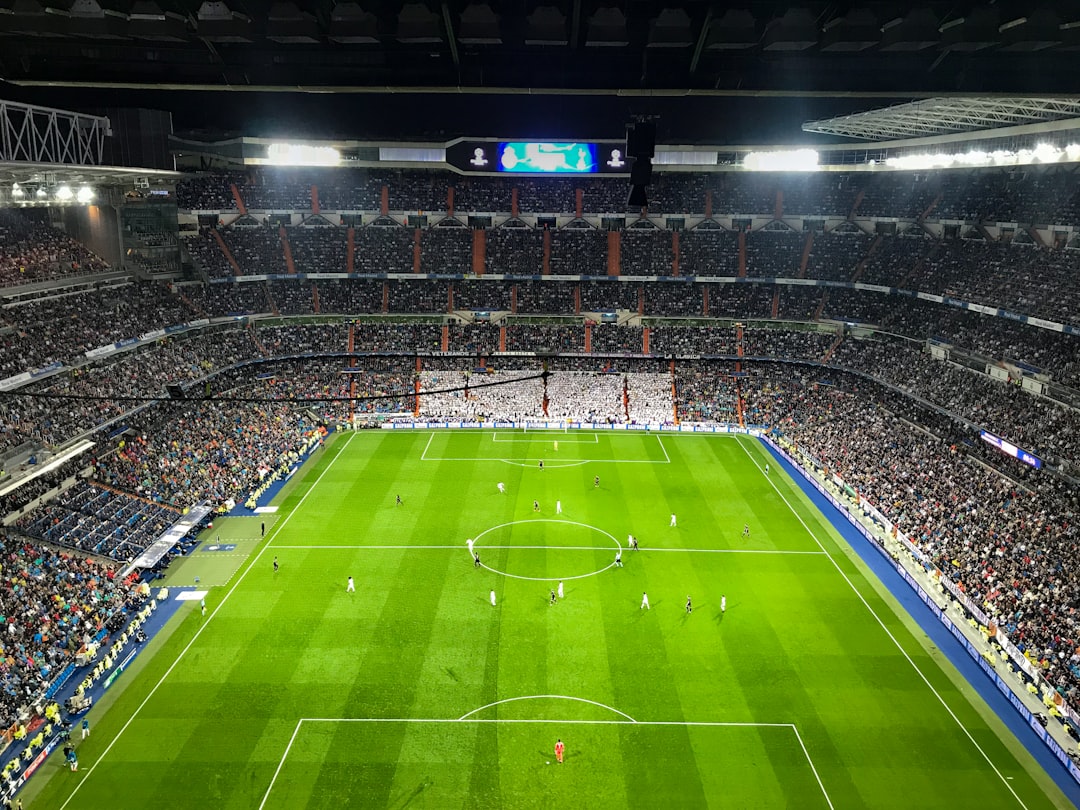
In a historic gesture, the opening three matches of the 2030 World Cup will be held in South America, specifically in **Montevideo**, **Buenos Aires**, and **Asunción**. This decision honors the legacy of the first World Cup, which was hosted by Uruguay in 1930. The match in Montevideo will take place at the **Estadio Centenario**, the same stadium where the inaugural final was played. This symbolic return to the birthplace of the World Cup underscores FIFA's desire to connect the tournament's past with its future. It also provides a unique opportunity for South American fans to participate in the opening stages of the competition, despite not being primary hosts.
The South American leg of the tournament is expected to draw significant attention and emotion, given the continent's deep passion for football. Uruguay, Argentina, and Paraguay are football powerhouses with rich histories in the sport. The matches will serve as a tribute to the pioneers of the game and a celebration of the sport's global evolution. After these opening fixtures, the tournament will move to Europe and Africa for the remainder of the group stage, knockout rounds, and final. This structure ensures that the 2030 World Cup is a truly global event, bridging continents and generations of football fans.
Implications for Balkan and Regional Fans
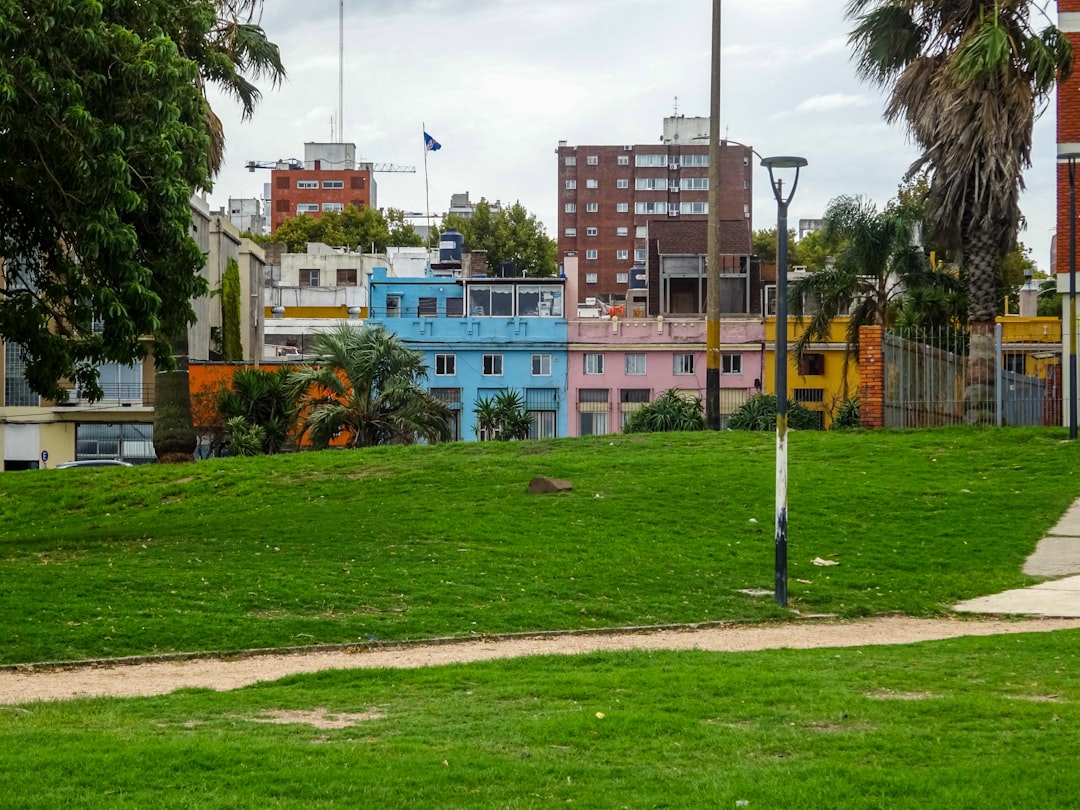
For fans in the Balkans, the 2030 World Cup offers several advantages. The proximity of Spain and Portugal makes travel more accessible and affordable compared to previous tournaments held in distant locations like Qatar or the United States. **Turkish fans**, in particular, have a strong interest in the tournament, as evidenced by the high search volume for "2030 dünya kupası nerede." Turkey's national team has been a regular participant in recent World Cups, and its fans are known for their passionate support. The ease of travel to the Iberian Peninsula means that a significant number of Balkan supporters are likely to attend matches, creating a lively atmosphere in the stadiums.
Moreover, the Balkan region has produced many talented players who are likely to participate in the 2030 World Cup. Clubs from **Serbia**, **Croatia**, **Greece**, and **Romania** often have players competing in major European leagues, including Spain's La Liga and Portugal's Primeira Liga. This connection strengthens the regional interest in the tournament, as fans will follow their favorite players and teams. The cultural and linguistic ties between the Balkans and the Mediterranean region also facilitate a deeper engagement with the hosts, allowing fans to immerse themselves in the local culture and football traditions.
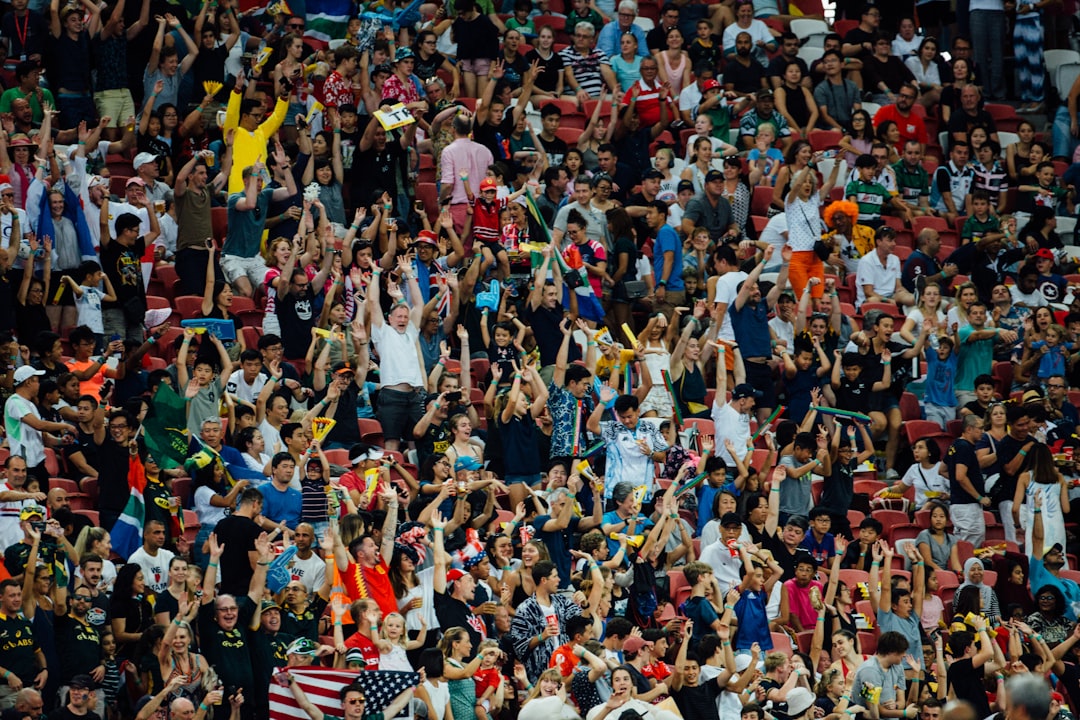
The 2030 World Cup is poised to be a landmark event in football history, combining the prestige of the centennial celebration with the unique challenge of a multi-continental host arrangement. Spain, Portugal, and Morocco are well-prepared to deliver a spectacular tournament, leveraging their infrastructure, culture, and passion for the sport. For Balkan fans, the proximity and accessibility of the hosts offer an exciting opportunity to experience the World Cup firsthand. As the date approaches, anticipation will only grow, with fans eagerly awaiting the chance to witness football's greatest showpiece in a historic and unforgettable setting.
Comments