


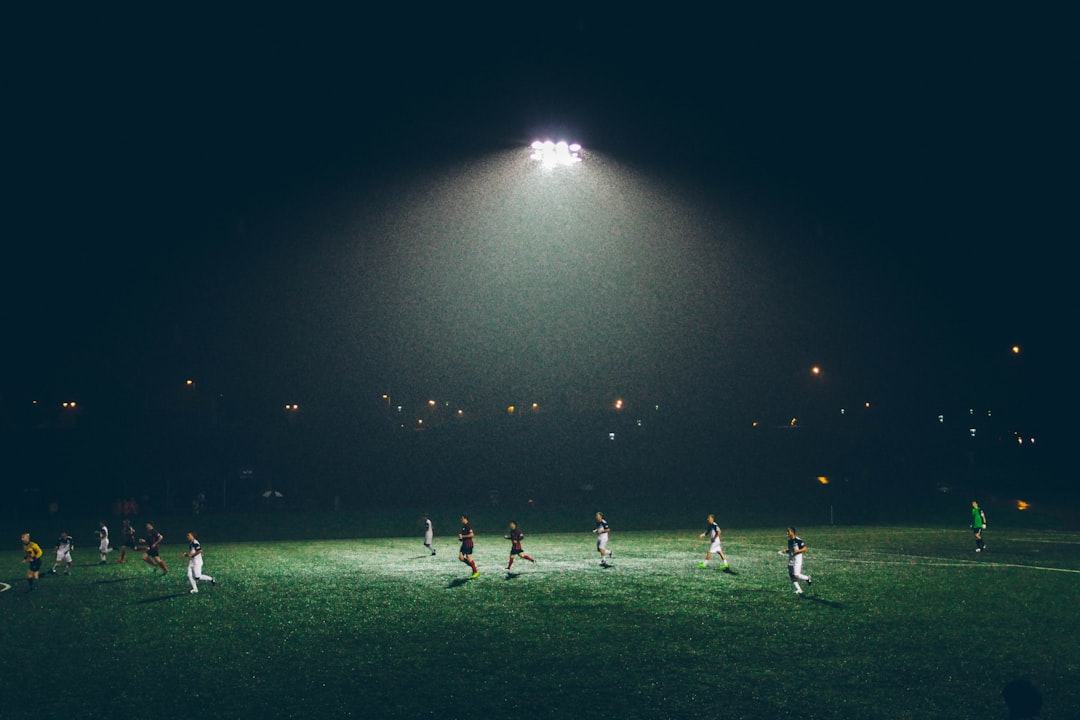
The anticipation for the **2026 FIFA World Cup** has reached a fever pitch as the global football community prepares for the historic expansion of the tournament to 48 teams. With the official draw scheduled for late 2025, national associations across the Balkans are intensifying their qualifying campaigns, recognizing that the expanded format offers new pathways to qualification while simultaneously increasing the competitive pressure. For nations such as **Serbia**, **Croatia**, **Greece**, and **Bulgaria**, the stakes are higher than ever, as the traditional dominance of European powerhouses is challenged by the influx of new participants from Africa, Asia, and Oceania. The tournament, hosted jointly by the United States, Canada, and Mexico, represents a monumental shift in international football logistics and strategy, demanding rigorous preparation from Balkan federations.
The decision to expand the World Cup from 32 to 48 teams fundamentally alters the qualifying landscape. Europe, which receives 16 direct spots plus one playoff place, must navigate a more complex group stage structure in the UEFA qualifiers. For Balkan nations, this means that consistency is no longer enough; tactical adaptability and depth in squad selection are paramount. The financial implications are also significant, with prize money and broadcasting rights reaching unprecedented levels. However, the logistical challenge of competing in North America, with its vast distances and time zone differences, presents a unique hurdle for European teams. Balkan fans and analysts are closely monitoring how their national teams plan to acclimatize to these conditions, a factor that could prove decisive in the knockout stages.

The Expanded Format and European Qualifying Dynamics
The UEFA qualification process for the 2026 World Cup has been redesigned to accommodate the increased number of slots. The **UEFA** will utilize a league system within the Nations League framework, ensuring that teams are grouped by strength. This format aims to reduce the number of "dead rubber" matches and increase competitive integrity throughout the qualifiers. For Balkan teams, this structure offers a double-edged sword. On one hand, it provides more opportunities for mid-tier nations to secure advancement through consistent performance in their respective leagues. On the other hand, the margin for error is thinner, as every match carries significant weight in determining final standings. The integration of the Nations League with World Cup qualifying means that results in earlier competitions directly impact World Cup prospects, adding layers of strategic complexity for coaches.
Analysts note that the expanded tournament field dilutes the immediate impact of single-game shocks. In the 32-team era, a single poor performance could eliminate a contender. In the 48-team format, the group stage offers more breathing room, with teams needing to finish in the top two of their groups or among the best third-placed teams to advance. This nuance is critical for Balkan associations, which are investing heavily in youth development and scouting networks to build resilient squads. The **FIFA** has emphasized that the expansion aims to globalize the sport, but European teams must still demonstrate tactical superiority to progress beyond the group stage. The balance between defensive solidity and attacking flair will be a key discussion point in Balkan football circles as teams prepare for the rigors of the North American climate and travel schedules.
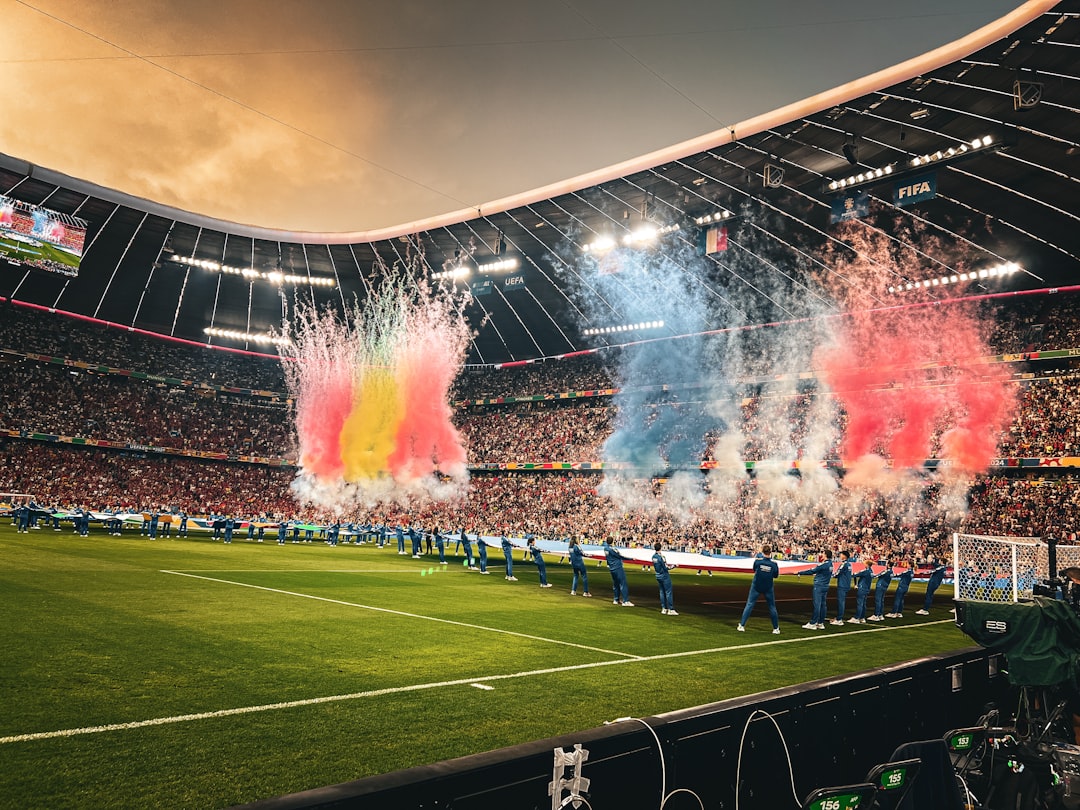
Balkan Powerhouses: Croatia, Serbia, and Greece
**Croatia** enters the qualifying cycle as one of Europe's most formidable forces, buoyed by their third-place finish in the 2022 World Cup. The **Croatian Football Federation** has maintained a stable coaching setup, focusing on retaining core players from their recent successful campaigns. The arrival of new talents from the **HNK Rijeka** and **Dinamo Zagreb** youth academies suggests a seamless transition for the national team. Croatia's experience in deep tournament runs provides a psychological edge, but the expanded format requires them to avoid complacency. The team's ability to manage high-pressure matches while integrating younger players will be a key indicator of their readiness for 2026. Balkan fans view Croatia as the benchmark for regional success, and their performance will set the tone for other nations.
**Serbia** continues to leverage its wealth of attacking talent, with many players featuring in top European leagues. The **Football Association of Serbia** has placed emphasis on tactical discipline, aiming to counter the physical intensity of modern international football. The presence of high-profile players in the **Premier League** and **La Liga** provides Serbia with a competitive advantage in terms of match sharpness. However, the team must address historical inconsistencies in defensive organization. The qualifying campaign will test Serbia's ability to convert dominance into results, a challenge that has plagued previous iterations of the squad. For Serbian supporters, the 2026 World Cup represents a chance to validate the country's status as a footballing powerhouse on the global stage.
**Greece** is undergoing a period of renewal, with a focus on building a cohesive unit under new leadership. The **Hellenic Football Federation** has prioritized defensive resilience and counter-attacking efficiency, a style that has historically served the national team well. The integration of players from the **Super League Greece** and abroad is crucial for maintaining balance. Greece's path to qualification will likely involve tight, low-scoring matches, where set-piece proficiency and mental toughness are decisive. The Greek national team's ability to adapt to the faster pace of modern football while retaining their structural integrity will be closely watched by European analysts. A successful qualification would mark a significant return to form for a nation with a rich footballing heritage.
Emerging Contenders and Regional Rivalries
Beyond the traditional powerhouses, nations like **Bulgaria**, **Romania**, and **North Macedonia** are aiming to capitalize on the expanded format. **Bulgaria** has shown signs of improvement, with a young squad displaying energy and technical ability. The **Bulgarian Football Union** is investing in infrastructure and coaching education, hoping to build a sustainable model for international success. For Bulgaria, reaching the 2026 World Cup would be a historic achievement, symbolizing a resurgence after decades of struggle. The team's focus on youth development and tactical flexibility offers a promising trajectory, though they face stiff competition from more established European sides.
**Romania** is experiencing a renaissance under a visionary coaching staff, blending experienced veterans with emerging talents. The **Romanian Football Federation** has created a positive environment that emphasizes attacking football and player confidence. Romania's recent performances in European competitions have hinted at their potential, and the 2026 qualifiers offer a platform to showcase their growth. The team's ability to perform in high-stakes matches will be a critical factor in their qualification hopes. Meanwhile, **North Macedonia** continues to defy expectations, relying on their physicality and work rate to compete with larger nations. The **Football Federation of Macedonia** has built a resilient squad that punches above its weight, and their journey to the World Cup would be a testament to their organizational progress.
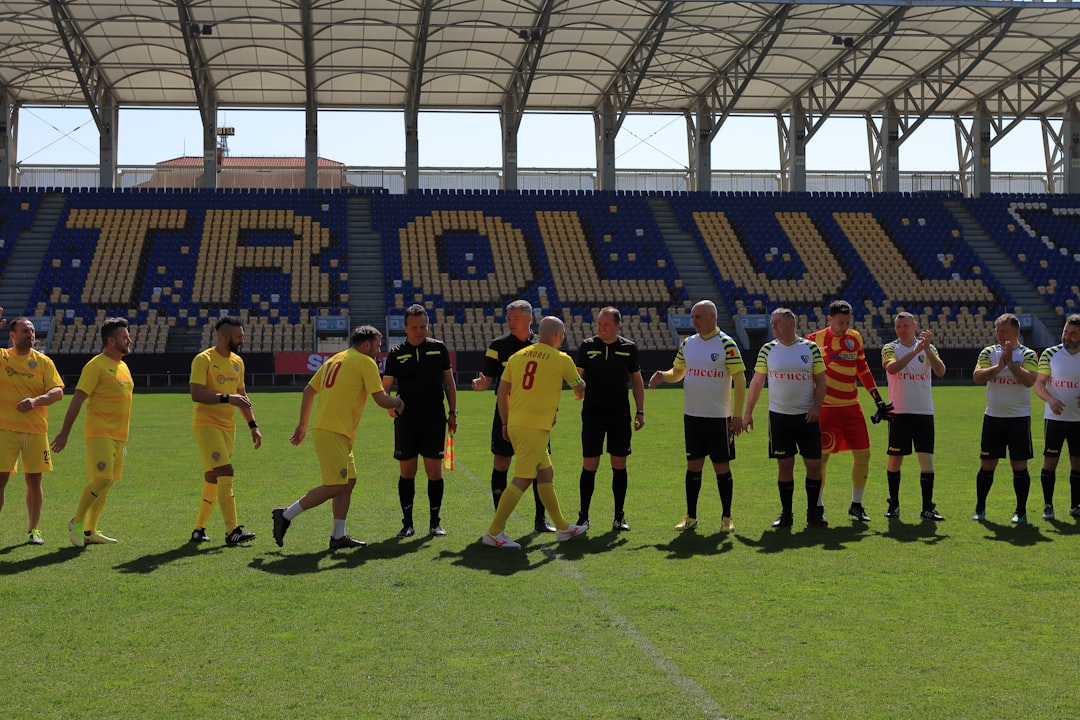
The regional rivalries between these Balkan nations add an extra layer of intensity to the qualifying matches. Derbies between **Serbia** and **Croatia**, or **Greece** and **North Macedonia**, are not just about points but also national pride and historical context. These matches often serve as barometers for team morale and tactical preparedness. The emotional stakes are high, and the outcomes can have a profound impact on the psychological dynamics of the qualifying campaigns. Balkan fans are deeply invested in these encounters, viewing them as essential tests of their teams' character and capability. As the 2026 World Cup draw approaches, the region is poised for a thrilling series of qualifiers that will determine which nations join the global stage.
Looking ahead, the focus will shift to the specific draw mechanics and the potential group compositions. Balkan teams will be analyzing seedings and potential opponents to strategize their qualifying campaigns. The integration of data analytics and sports science will play a larger role than ever, with federations leveraging technology to gain competitive advantages. The 2026 World Cup promises to be a spectacle of global football, and the Balkan nations are determined to be part of the narrative. For fans across the region, the journey to North America is not just about qualification; it is about representing their footballing identity on the world's biggest stage. The coming months will be critical in shaping the destiny of Balkan football in the expanded era.


Comments